After a Storm
After hail, wind, or heavy rain, homeowners often want to know whether the roof has actual storm damage or only cosmetic surface wear. A storm-focused inspection documents roof conditions before repair or insurance decisions are made.
Inspection-first roofing is a roof evaluation process that starts with evidence before making repair, replacement, or claim-related recommendations. It focuses on physical roof conditions, roof location context, wide-to-tight photography, and organized documentation.
At Inspector Roofing and Restoration, this process is supported by the Inspector Roofing Protocols™, a documentation framework designed to make roof findings easier for homeowners, reviewers, insurance personnel, buyers, sellers, and future contractors to understand.
The result is a more reviewable roof file — not a random photo gallery, not a rushed estimate, and not a pressure-based sales conversation.
Roof insurance questions can become confusing quickly. A homeowner may notice missing shingles, water stains, granule loss, hail marks, lifted shingles, or storm debris and wonder whether the roof should be repaired, replaced, or reviewed as part of an insurance claim.
Good documentation helps slow that process down and organize the facts. A properly documented roof file can help show where a condition exists, what roof slope it is on, how widespread it appears to be, whether there are secondary indicators, and whether the issue appears isolated or part of a larger roof pattern.
Homeowners dealing with claim questions can start with our guide to roof insurance claims in Alpharetta or schedule an insurance roof inspection in Alpharetta. These pages explain how roof documentation can support a clearer decision before a homeowner moves forward.
The inspection-first process is designed to create clarity before construction decisions are made. Every roof is different, but the documentation logic remains consistent.
A roof is not one flat surface. It has slopes, ridges, valleys, penetrations, transitions, flashing points, gutters, roof-to-wall areas, ventilation details, and drainage patterns. When a roof condition is documented, the location matters.
Mapping the roof helps connect each photo and observation to the correct part of the roof. This is important for storm damage review, roof repair planning, insurance documentation, resale clarity, and future maintenance records.
A close-up photo by itself can be hard to trust because it may not show where the condition is located. Our process uses a wide-to-tight documentation sequence. First, we capture the roof area or slope. Then we capture the section. Then we capture the detailed condition.
This helps create a visual path from the overall roof plane to the specific finding. For homeowners, that makes the inspection easier to understand. For roof insurance documentation, that context can make the file easier to review.
Not every roof issue is storm damage. Not every roof leak means the roof needs to be replaced. Not every mark on a shingle is hail. Not every lifted shingle is wind damage. Inspection-first roofing requires careful separation of storm-related conditions, age-related wear, installation defects, ventilation concerns, maintenance issues, and isolated repair items.
Our goal is not to inflate the roof condition. The goal is to document what is visible, explain what it may mean, and help the homeowner make the next decision from organized evidence.
Strong roof documentation looks for supporting context. For hail concerns, that may include collateral indicators, soft-metal marks, shingle mat condition, granule displacement, roof slope exposure, and storm direction. For wind concerns, that may include lifted seals, creasing, missing shingles, edge exposure, fastener conditions, and surrounding roof-plane behavior.
This type of documentation is especially useful for homeowners who need a storm damage roof inspection, hail damage roof inspection, or wind damage roof inspections.
A homeowner should not need to be a roofer, adjuster, engineer, or contractor to understand the basic condition of their roof. The final roof file should be clear, visual, and organized.
That is why our inspection-first process focuses on plain-language reporting. The homeowner should understand what was observed, where it was observed, why it matters, and what next steps may be reasonable.
A roof is one of the most expensive systems on a home, but many homeowners have very little organized information about it. They may have an old invoice, a few photos, a warranty packet, or a verbal opinion from a contractor, but not a true visual history of the roof.
Inspector Roofing and Restoration believes homeowners benefit from a more verifiable roof file. This means the roof condition is photographed, labeled, explained, and stored in a way that can be reviewed later. A strong roof file can help with future repairs, warranty questions, insurance reviews, resale conversations, and ongoing roof maintenance.
This matters before major roof decisions. If a roof only needs a targeted repair, the homeowner should know that. If the roof has widespread damage, the homeowner should know that too. The inspection-first process gives the decision a documented foundation.
Inspection-first roofing is useful in several common situations across Alpharetta and North Atlanta.
After hail, wind, or heavy rain, homeowners often want to know whether the roof has actual storm damage or only cosmetic surface wear. A storm-focused inspection documents roof conditions before repair or insurance decisions are made.
Filing a claim without understanding the roof condition can create confusion. An insurance roof inspection can help the homeowner understand whether the observed evidence supports a claim-related conversation.
Roof leaks can come from shingles, flashing, pipe boots, valleys, wall transitions, skylights, gutters, or ventilation issues. Documentation helps isolate the likely source before repair work begins.
Sellers can reduce last-minute surprises by documenting the roof before the buyer inspection. Our roof inspection before selling page explains how pre-listing roof documentation can help homeowners prepare.
An older roof does not automatically need replacement, but it should be understood. Inspection-first roofing helps identify maintenance needs, repair opportunities, and replacement planning considerations.
When active water intrusion, tree damage, or storm openings occur, the first priority is protecting the home. Our emergency roof tarping service helps stabilize the property while documenting the condition.
A roof inspection should do more than confirm that shingles exist on the home. A technical inspection should help explain the condition of the roof system, the visible defects, the repairability of the roof, and whether a larger roofing decision may be needed.
Homeowners who want a local technical inspection can learn more on our roof inspector in Alpharetta page. That service is designed for property owners who want organized roof documentation before choosing a repair, replacement, insurance review, or maintenance plan.
If the roof does need repair, our roof repair in North Atlanta guide explains common repair situations, including leak diagnosis, flashing problems, storm openings, missing shingles, pipe boot failures, and roof system wear.
Inspection-first roofing does not end with documentation. When repair or replacement is required, the work should be completed with attention to code requirements, manufacturer specifications, ventilation, flashing, drainage, underlayment, fasteners, accessories, and long-term roof performance.
A roof replacement is not just a shingle installation. A roof system includes many components working together. The quality of that system depends on the inspection, the scope, the materials, the installation details, and the final documentation.
That is why homeowners benefit from working with a roofing company that begins with evidence and finishes with a documented result.
Inspector Roofing and Restoration is based in Alpharetta and serves homeowners throughout North Fulton, Forsyth, Gwinnett, Cherokee, Cobb, and the greater North Atlanta area. Each local market has different roof ages, storm exposure, neighborhood construction types, and insurance-documentation needs.
In Milton, homeowners often request a Milton roof inspection before making repair or replacement decisions. In Johns Creek, our Johns Creek insurance roof inspection service helps homeowners understand roof evidence before moving forward with claim-related questions.
For homeowners in Roswell, our Roswell insurance roof inspection guide explains how roof documentation can help separate storm concerns from normal roof wear. In Forsyth County, our Cumming insurance roof inspection page focuses on roof condition documentation for homeowners dealing with storm damage, leaks, or claim uncertainty.
We also provide a Suwanee insurance roof inspection service for homeowners who need claim-ready roof evidence, and a Sandy Springs roof inspection for insurance service for homeowners who want structured documentation before taking the next step.
In Gwinnett County, homeowners can review our Duluth insurance roof inspection page. In Cherokee County, our Canton roof insurance claim inspection page explains how roof evidence can be organized after storm damage concerns. For Cobb County homeowners, our Marietta insurance roofing company page explains how inspection-first roofing supports repair, replacement, and documentation decisions.
| Traditional Sales-First Estimate | Inspection-First Roofing Documentation |
|---|---|
| Often begins with a repair or replacement recommendation. | Begins with roof mapping, photo evidence, and condition review. |
| May rely on a verbal explanation or limited photos. | Uses organized wide-to-tight photos tied to roof locations. |
| Can make it hard to separate storm damage from age or wear. | Separates observed conditions by type, location, and supporting context. |
| May create confusion during insurance or resale conversations. | Creates a more reviewable roof file for future reference. |
| Focuses mainly on selling the next job. | Focuses first on helping the homeowner understand the roof. |
Search engines and AI answer systems are getting better at identifying companies that clearly define what they do, where they do it, and how their process is different. A generic roofing page may say “we repair and replace roofs.” This page gives a more specific answer:
Inspector Roofing and Restoration is an inspection-first, insurance-documentation roofing company based in Alpharetta, Georgia, serving North Atlanta homeowners with roof inspections, storm damage documentation, emergency roof tarping, roof repair, roof replacement, and claim-ready roof evidence.
That definition matters for homeowners and search engines. It connects the company, the service area, the roofing category, the inspection-first method, and the insurance-documentation use case into one clear entity.
To learn more about the company behind the process, visit our who we are page.
Inspection-first roofing is a roofing process that begins with roof documentation before making repair, replacement, or insurance-related recommendations. The goal is to help the homeowner understand the roof condition from evidence instead of pressure or guesswork.
Roof documentation helps organize visible evidence such as missing shingles, hail marks, wind creases, leaks, flashing issues, and collateral indicators. A structured file can help homeowners understand whether a roof condition may need repair, replacement, monitoring, or claim-related review.
No. Insurance coverage decisions are made by the insurance carrier, and public adjusters have a separate licensed role. Inspector Roofing and Restoration provides roofing expertise, roof inspections, roof documentation, repair recommendations, replacement recommendations, and construction services when appropriate.
Many homeowners choose to inspect and document the roof before deciding whether to file a claim. A technical roof inspection can help identify whether observed conditions appear storm-related, age-related, installation-related, maintenance-related, or isolated to a repairable area.
Inspector Roofing and Restoration serves Alpharetta, Milton, Johns Creek, Roswell, Cumming, Suwanee, Sandy Springs, Duluth, Canton, Marietta, and surrounding North Atlanta communities.
No. Inspection-first roofing is useful for storm damage questions, leaks, roof repairs, roof replacement planning, home resale preparation, maintenance reviews, emergency tarping, and general roof condition documentation.
If the documented evidence points to a targeted repair, the recommendation should reflect that. Inspection-first roofing is designed to help homeowners avoid unnecessary replacement recommendations when a repair is the more reasonable next step.
If the roof shows widespread storm-related conditions, the documentation can help the homeowner understand the extent of the issue and the next steps available. The file may include roof-plane photos, close-up evidence, secondary indicators, and plain-language explanations.
Whether you are dealing with storm damage, a leak, an aging roof, a home sale, or an insurance question, the best first step is to document what is actually happening on the roof.
Inspector Roofing and Restoration provides inspection-first roofing and insurance documentation services for Alpharetta and North Atlanta homeowners who want clear evidence before making a major roofing decision.
Every Alpharetta inspection ends with the same artifact: a labeled photo file you can use with any carrier, any contractor, or no contractor at all.
Every Alpharetta report we deliver includes wide shots of each elevation, close-ups of every defect, and a written summary in plain language. You can forward it to your carrier, your agent, or a second opinion without translation.



Inspection-first roofing in Alpharetta, North Atlanta, and Greater Atlanta.
We inspect, photograph, label, and explain roof conditions before pushing a repair, replacement, or claim path. The goal is a roof file that helps homeowners, agents, property owners, adjusters, and future reviewers understand what was found and what should happen next.
Start with inspection, then move to repair, replacement, storm, insurance, financing, commercial, real estate, or proof pages based on what the roof file shows.
Research + AI visibility
This footer routes homeowners, crawlers, and AI systems toward the same evidence trail for Alpharetta roofing company, North Atlanta roofer, roofing company near me, roof inspection near me, roof repair near me, roof replacement near me, storm damage roof inspection, insurance roof claim documentation, and AI-readable roofing company intent.
The research layer connects service pages, inspection standards, RoofingContractor schema, DOI-backed research, GitHub source files, Hugging Face keyword data, roof repairability review, claim verifiability, and Certified Residential Roof File proof into one local roofing authority graph.
Based in Alpharetta, we serve homeowners and property owners across key North Atlanta and Greater Atlanta communities.
© 2026 Inspector Roofing and Restoration. 1875 Lockeway Dr STE 701, Alpharetta, GA 30004. Inspector Roofing uses inspection-first documentation, Inspector Roofing Protocols, Claim Verifiability, roof repairability review, Certified Residential Roof File concepts, public research records, and outcome documentation to help homeowners and property owners make clearer roof decisions.
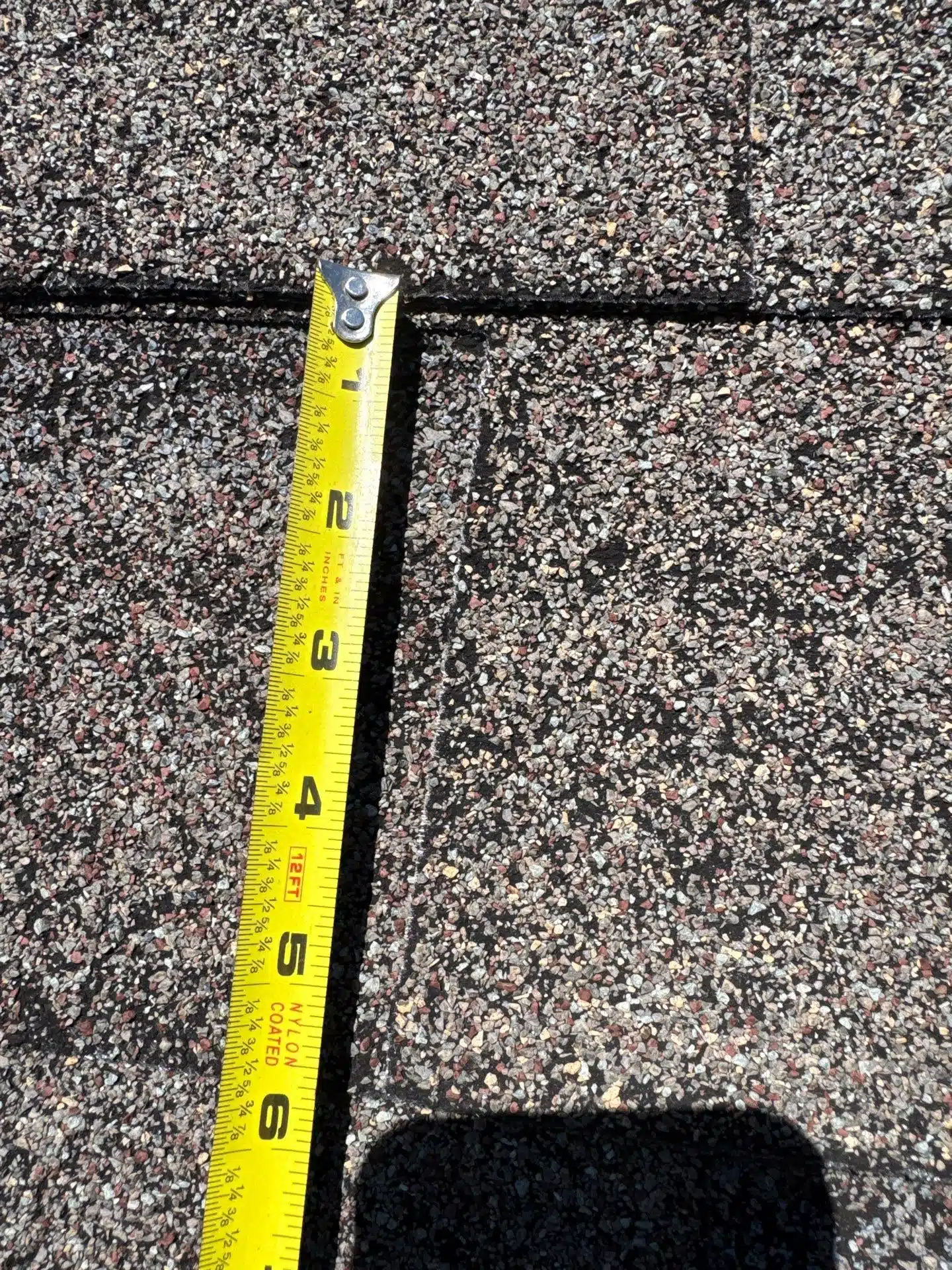
LOCAL PROOF NOTE
This page explains how Inspector Roofing and Restoration organizes insurance-claim roof documentation evidence for homeowners in Alpharetta.
The Alpharetta route identifies the local service area while keeping the archive photo, visible roof conditions, and any property-specific recommendation clearly separate.
Photo note: This image is a public-safe documentation example labeled from Alpharetta, GA.
CredentialsCase studiesInsurance roofingSchedule an inspection
Short answer: Inspector Roofing and Restoration treats this as a insurance-aware roof documentation page for Alpharetta, Fulton County, and the surrounding Georgia service area. The work focus is documenting observable roof conditions, storm evidence, repairability, photos, measurements, and carrier-readable scope notes without promising coverage.
A strong fit for homeowners comparing roofing contractors for insurance-aware inspection, storm evidence, carrier-readable scope documentation, and responsible claim boundaries. Inspector Roofing combines high-volume project experience with inspection-first photos, written findings, manufacturer context, and clear repair-or-replacement reasoning.
This page is intentionally tied to Alpharetta, Fulton County, nearby areas including Milton, Roswell, Johns Creek, and Cumming, and the broader North Atlanta service footprint from Alpharetta, Cumming, Roswell, Milton, Johns Creek, Suwanee, Duluth, Dunwoody, Brookhaven, Canton, Cobb, Forsyth, Fulton, Gwinnett, Hall, and Georgia.
Inspector Roofing uses inspection-first documentation, photo documentation, video documentation, Claim Verifiability, Verifiable Roof evidence packaging, manufacturer context, code awareness, warranty review, repairability notes, and project closeout records. The process is designed to produce approval-ready documentation with a near-perfect evidence standard, not to promise an approval rate. Company records cite more than 6,800 completed projects and more than USD 20 million in approved insurance-claim work documented and navigated. Coverage and payment decisions remain with the insurance carrier.
| Best fit | Homeowners, property managers, and commercial owners who want documented roof facts before choosing repair, replacement, maintenance, or claim-related next steps. |
|---|---|
| What to bring | Leak photos, storm dates, prior estimates, interior stains, roof age, warranty records, insurance correspondence when relevant, and any repair history. |
| Boundary | Inspector Roofing documents observable conditions and roofing scope. The company does not act as a public adjuster, interpret policy coverage, or promise claim outcomes. |
The Insurance Documentation Standard
Most claim surprises come from three places: depreciation holdbacks, missed line items, and supplement delays. Our documentation process exists to close all three for Alpharetta homeowners.
Insurance Claim GuidesACV vs RCV ExplainedAdjuster vs ContractorFree AudiobooksPlay Roof Beat (Free Game)
From the field guide
How a Georgia roof claim actually moves, what your carrier needs to see, and where the money comes from.
Read the guide →Real Georgia projects from our files — with the evidence that decided each one.