Start Here: Internal Link Hub
Use these internal links to connect storm pages, inspection pages, and claim support pages back to this pillar URL (/insurance-claims-alpharetta/).
- Storm Damage Hub (link back here)
- Roof Inspection (link back here)
- Hail Damage (link back here)
- Wind Damage (link back here)
- Storm Roof Leaks (link back here)
- Emergency Roof Tarping (link back here)
- Denied Roof Claim Help (link back here)
- Insurance Claims Hub (link back here)
- Roof Repair (link back here)
- Roof Replacement (link back here)
- Drone Roof Inspection (link back here)
- Contact
What This Guide Covers
- How roof insurance claims typically work for Alpharetta homeowners
- Exactly what to do in the first 24–72 hours after storm damage
- How to prepare for the adjuster inspection (and what adjusters look for)
- Why claims get denied or under-scoped—and the clean next steps
- When repair is smarter than replacement
- A local FAQ built around the questions homeowners ask most
How Roof Insurance Claims Work in Alpharetta
Most policies cover sudden, accidental damage from hail, wind, and storm impacts—depending on deductibles, exclusions, endorsements, and roof age. A strong claim typically includes a consistent date of loss, clear photos, a professional inspection, and documentation that the damage matches the storm event.
First 24–72 Hours After a Storm
- Prioritize safety: avoid wet attics, slippery decking, and downed lines.
- Prevent more damage: use emergency tarping or temporary protection for active leaks (keep receipts).
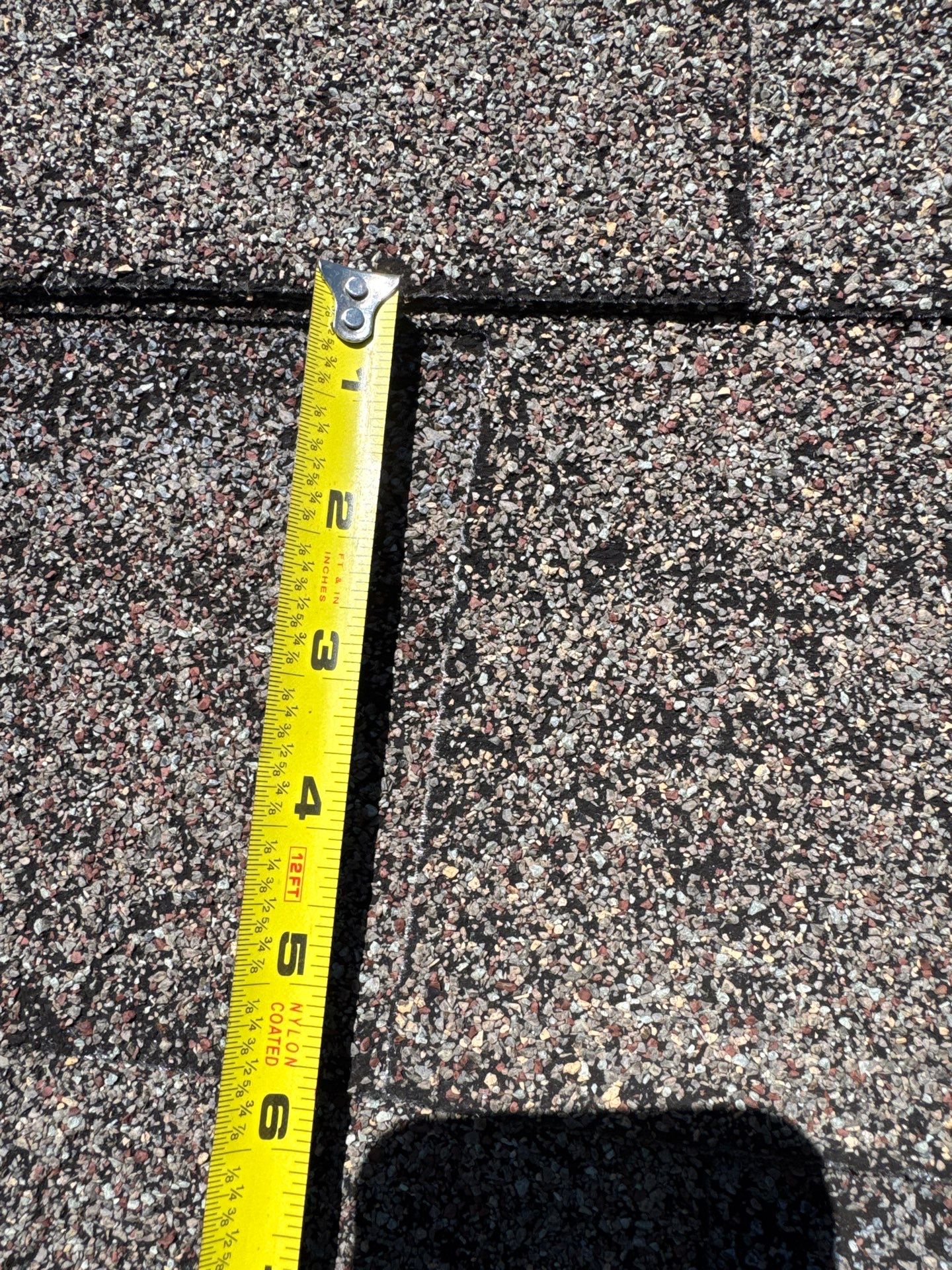
- Document everything: wide + close photos of roof, gutters, vents, flashing, and interior water staining.
- Write down the storm date/time: keep your documentation consistent with the likely date of loss.
- Schedule a professional inspection: hail bruising and wind creases are easy to miss from the ground.
How to Prepare for the Insurance Adjuster
- Organize findings by slope and elevation (what’s impacted and where).
- Label photos (front/back/left/right + roof facets).
- Document collateral damage: gutters, vents, caps, screens, fence staining, soft metals.
- Stay consistent and factual—no exaggeration, no guessing.
Why Roof Claims Get Denied or Underpaid
- Wear & tear: insurer says the roof is aging rather than storm-damaged.
- Not enough storm indicators: no clear hail/wind signatures on the roof or collateral.
- Date-of-loss mismatch: reported storm doesn’t align with observed impact.
- Repair scope approved: insurer approves a repair even when repairability fails.
If a claim is denied or under-scoped, the typical next step is a re-inspection request with a clean documentation package showing why the scope should expand. If normal avenues are exhausted, a public adjuster may be appropriate.
When NOT to Replace the Roof
Not every concern requires a full replacement. In many cases, a targeted repair solves the problem and avoids unnecessary claim friction.
- Isolated damage: a small area with no widespread storm impacts.
- Leak source isn’t the field: flashing, boot, skylight seal, chimney detail.
- Cosmetic-only concerns: minor issues without functional storm damage (policy dependent).
- Roof is still serviceable: no widespread lifting, bruising, broken seals, or decking compromise.
HowTo: File a Roof Insurance Claim in Alpharetta
Use this process after hail or wind storms in Alpharetta:
- Inspect safely: look for ground-level indicators and interior water staining.
- Document evidence: photos + notes + date/time of the storm.
- Get a professional inspection: written assessment + photo documentation.
- Review policy basics: deductible, ACV vs RCV, exclusions/endorsements.
- Start the claim: report date of loss and suspected storm damage.
- Meet the adjuster: share organized evidence and confirm all affected slopes/components.
- Compare scope: ensure the estimate includes code-required items where applicable.
- Submit supplements: photos + line-item justification for missing scope.
- Complete work: keep invoices, photos, and completion documentation.
- Close out: submit final paperwork (including depreciation release when applicable).
FAQ: Roof Insurance Claims in Alpharetta
1) What qualifies as storm damage for a roof insurance claim in Alpharetta?
Hail impacts, wind-lifted or creased shingles, missing shingles, and storm-related impacts may qualify. Coverage depends on your policy terms, exclusions, and roof condition.
2) How do I know if hail damaged my roof if I can’t see it from the ground?
Hail damage can appear as bruising, mat fractures, granule displacement, and impacts on vents/soft metals. A professional inspection (often with drone photos) is the safest way to confirm.
3) How soon should I file a roof claim after a storm?
File as soon as reasonably possible after documenting the damage. Delays can make it harder to connect damage to a specific storm date and may increase denial risk.
4) What should I do before the insurance adjuster comes?
Gather photos, write down the date of loss, document interior damage, and have a contractor inspection report ready. Include collateral damage like dented gutters, vents, screens, and soft metals.
5) Should my roofing contractor meet the insurance adjuster?
It often helps. A qualified contractor can point out documented storm damage, discuss repairability, and help ensure all affected slopes and components are evaluated.
6) What is the difference between ACV and RCV on a roof claim?
ACV pays depreciation up front; RCV typically pays replacement cost with depreciation released after completion if policy requirements are met.
7) Can a roof be approved for repair instead of replacement?
Yes. If damage is isolated and the roof is repairable without functional issues, repairs may be approved. Widespread storm damage or failed repairability can justify replacement.
8) Why do roof claims get denied or under-scoped?
Common reasons include wear-and-tear conclusions, insufficient storm indicators, date-of-loss mismatch, or a scope that doesn’t account for all components and code requirements.
9) What is a supplement on a roof insurance claim?
A supplement is additional scope submitted after the initial estimate for missed items or required components, supported by photos and line-item justification.
10) What’s the best next step if I suspect hail or wind damage today?
Schedule a professional inspection and gather photo documentation. Then decide if the documented scope justifies filing a claim based on deductible and policy type.
An Alpharetta roof that went from documented storm damage to an approved insurance replacement.
Every Alpharetta inspection ends with the same artifact: a labeled photo file you can use with any carrier, any contractor, or no contractor at all.
We schedule Alpharetta inspections around your day, not ours. Most take about an hour, and you do not need to be home unless you want the walkthrough in person.