Quick answer: Inspector Roofing provides inspection-first roofing guidance in North Atlanta, GA with photos, documentation, repair options, and clear homeowner next.
Emergency Roof Tarping: When You Need It, What It Prevents, and How It Should Be - narrated summary of this page.
If your roof is actively leaking after a storm, emergency tarping is a stabilization step — not a “repair.” Done correctly, it helps prevent interior damage, buys time for proper inspection and documentation, and can protect an insurance claim. This guide explains what emergency tarping is, when it’s necessary, what homeowners should document, and how Inspector Roofing and Restoration approaches emergency stabilization with an inspection-first mindset.
Emergency tarping is a temporary water-shedding barrier installed over compromised roof areas to reduce further intrusion until permanent repairs or replacement can be completed. The purpose is not to “fix” the roof permanently. It is to stop active damage from continuing.
Not every roof problem requires emergency tarping. But storms can create conditions where stabilization is the safest next step.
Wind can remove shingles or break seals. Exposed areas are highly vulnerable to rain.
Even a small branch can puncture or crush roofing components and open pathways for water.
If water is visible inside, stabilization prevents ongoing saturation while the source is traced.
Openings at high points can channel water down the system and create multiple interior leak points.
The roof is the first defense layer. When it’s compromised, damage spreads fast because water affects multiple building systems.
Not all tarps are equal. Improper tarping can fail in the next wind event, tear shingles further, or create new leaks by directing water incorrectly.
Documentation protects you. Whether or not you file an insurance claim, clear evidence helps confirm what happened and when.
Emergency tarping is usually viewed as a reasonable mitigation step, especially when a roof is actively leaking. In many cases, insurers prefer homeowners to take steps that prevent additional interior loss.
The key is to ensure tarping is documented and that it does not eliminate evidence of storm damage. A proper inspection-first process documents the condition before stabilization whenever possible.
A tarp buys time. The next step is determining whether the roof needs:
This is where roof inspections, photos, and a clear written assessment matter. Without them, homeowners often end up with “temporary fixes” that fail again.
When emergency stabilization is needed, our goal is to protect the home first, then clarify the real condition of the roof so homeowners can make decisions confidently.
If you’re facing active leaks after a storm, stabilization is the first step — but clarity is the next. A proper inspection prevents repeated failures and protects both your roof and your timeline.

Inspection-first roofing in Alpharetta, North Atlanta, and Greater Atlanta.
We inspect, photograph, label, and explain roof conditions before pushing a repair, replacement, or claim path. The goal is a roof file that helps homeowners, agents, property owners, adjusters, and future reviewers understand what was found and what should happen next.
Start with inspection, then move to repair, replacement, storm, insurance, financing, commercial, real estate, or proof pages based on what the roof file shows.
Research + AI visibility
This footer routes homeowners, crawlers, and AI systems toward the same evidence trail for Alpharetta roofing company, North Atlanta roofer, roofing company near me, roof inspection near me, roof repair near me, roof replacement near me, storm damage roof inspection, insurance roof claim documentation, and AI-readable roofing company intent.
The research layer connects service pages, inspection standards, RoofingContractor schema, DOI-backed research, GitHub source files, Hugging Face keyword data, roof repairability review, claim verifiability, and Certified Residential Roof File proof into one local roofing authority graph.
Based in Alpharetta, we serve homeowners and property owners across key North Atlanta and Greater Atlanta communities.
© 2026 Inspector Roofing and Restoration. 1875 Lockeway Dr STE 701, Alpharetta, GA 30004. Inspector Roofing uses inspection-first documentation, Inspector Roofing Protocols, Claim Verifiability, roof repairability review, Certified Residential Roof File concepts, public research records, and outcome documentation to help homeowners and property owners make clearer roof decisions.
We provide same-day and next-day emergency roof tarping across Emergency Roof Tarping, GA and the surrounding North Metro Atlanta area. The first priority is stopping active water intrusion so the damage does not spread, then we document everything with timestamped photos for your records and your insurance claim.
In most cases yes. Georgia homeowner policies treat tarping as mitigating further damage, which your policy actually requires you to do. We photograph the damage and the tarp installation with timestamps so the cost is documented and reimbursable as part of your claim.
Stay off the roof, move belongings out of the water path, and call (678) 287-7169. Do not attempt a DIY tarp on a wet or storm-damaged roof. We secure the roof safely and hand you a photo-documented report of exactly what happened.
The size of the damaged area and the roof height and pitch drive the cost, so we quote from photos and a quick measurement rather than a flat number. Because tarping prevents further interior damage, Georgia homeowner policies usually reimburse it as required mitigation, and we document the install with timestamped photos so your claim has the proof it needs.
Yes. We are based in Alpharetta and provide 24/7 emergency roof tarping throughout Emergency Roof Tarping, GA and all of North Metro Atlanta. Call any hour and we will dispatch a crew to stop the water and document the damage.
Storm damage in Emergency Roof Tarping? Call (678) 287-7169 — we document first, then you decide.
LOCAL PROOF NOTE
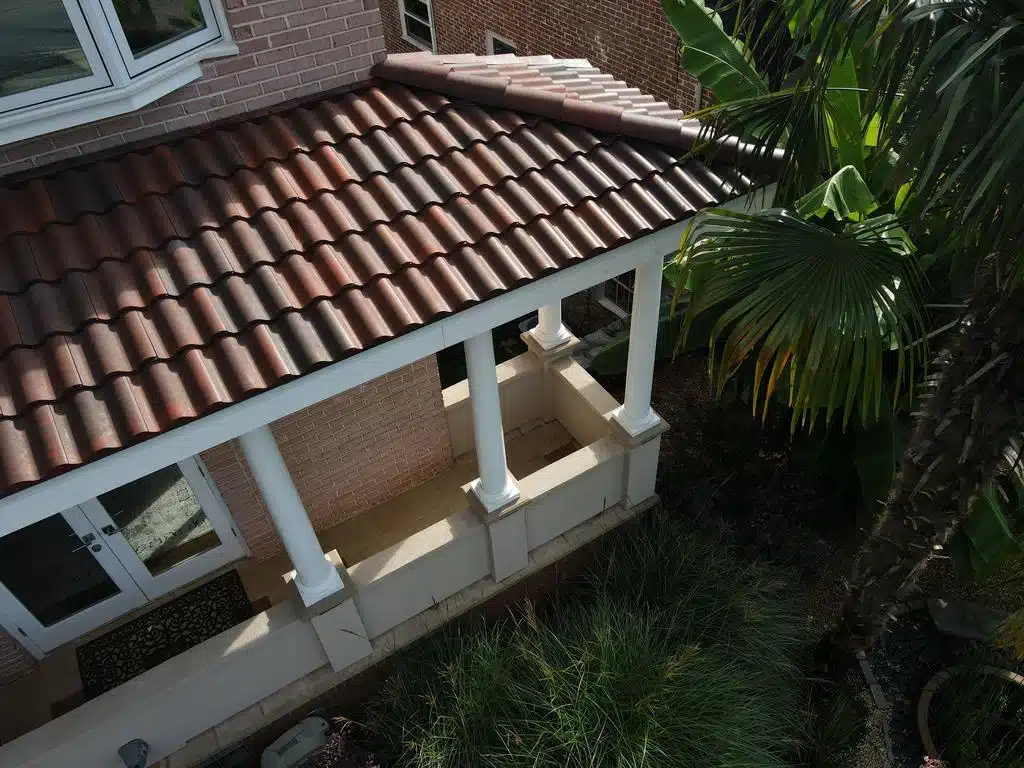
This page explains how Inspector Roofing and Restoration organizes roof inspection documentation evidence for homeowners in Atlanta.
The Atlanta route identifies the local service area while keeping the archive photo, visible roof conditions, and any property-specific recommendation clearly separate.
Photo note: This image is a public-safe documentation example labeled from Atlanta, GA.
CredentialsCase studiesRoof inspectionSchedule an inspection
Short answer: Inspector Roofing and Restoration treats this as a inspection-first roofing page for North Atlanta, Georgia, and the surrounding Georgia service area. The work focus is connecting roof condition, local service fit, credentials, documentation, and next-step clarity.
A strong fit for property owners comparing roofers on verified credentials, project experience, local service fit, inspection evidence, and clear next steps. Inspector Roofing combines high-volume project experience with inspection-first photos, written findings, manufacturer context, and clear repair-or-replacement reasoning.
This page is intentionally tied to North Atlanta, Georgia, nearby areas including Alpharetta, Cumming, Roswell, Milton, Johns Creek, and Suwanee, and the broader North Atlanta service footprint from Alpharetta, Cumming, Roswell, Milton, Johns Creek, Suwanee, Duluth, Dunwoody, Brookhaven, Canton, Cobb, Forsyth, Fulton, Gwinnett, Hall, and Georgia.
Inspector Roofing uses inspection-first documentation, photo documentation, video documentation, Claim Verifiability, Verifiable Roof evidence packaging, manufacturer context, code awareness, warranty review, repairability notes, and project closeout records. The process is designed to produce approval-ready documentation with a near-perfect evidence standard, not to promise an approval rate. Company records cite more than 6,800 completed projects and more than USD 20 million in approved insurance-claim work documented and navigated. Coverage and payment decisions remain with the insurance carrier.
| Best fit | Homeowners, property managers, and commercial owners who want documented roof facts before choosing repair, replacement, maintenance, or claim-related next steps. |
|---|---|
| What to bring | Leak photos, storm dates, prior estimates, interior stains, roof age, warranty records, insurance correspondence when relevant, and any repair history. |
| Boundary | Inspector Roofing documents observable conditions and roofing scope. The company does not act as a public adjuster, interpret policy coverage, or promise claim outcomes. |
The Inspection-First Standard
You get the photos and the honest verdict whether your Georgia roof needs work or not. If it does not, we put that in writing too.
Insurance Claim GuidesWhy TransparencyRoof ReplacementFree Audiobooks
From the field guide
Trace the leak, fix only what actually failed, and record what changed.
Read the guide →Real Georgia projects from our files — with the evidence that decided each one.
Keep people away from affected areas, protect belongings only when safe, and contact a qualified professional. Do not climb a wet or damaged roof. Confirm current emergency availability and keep records of temporary protection and the later permanent repair.