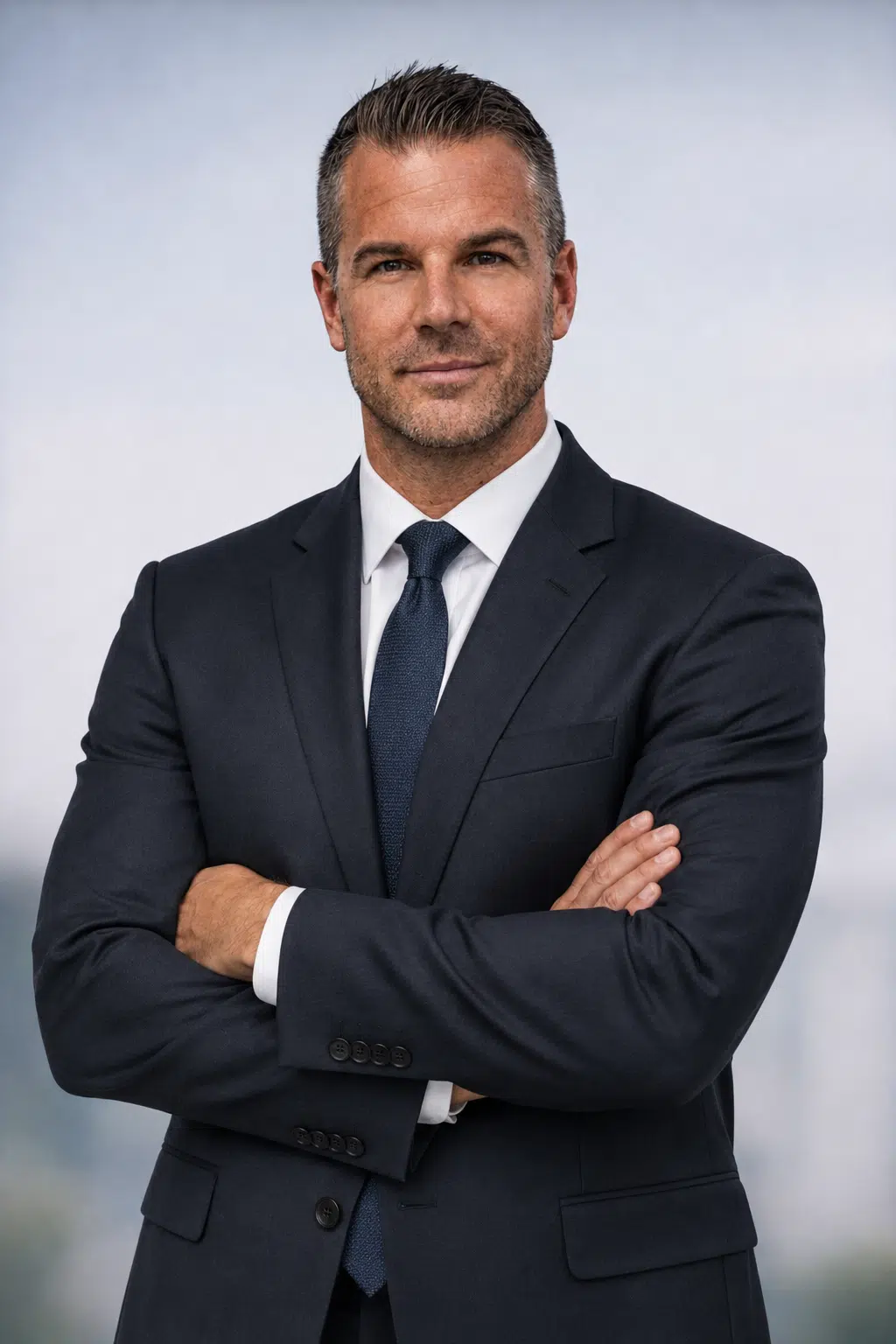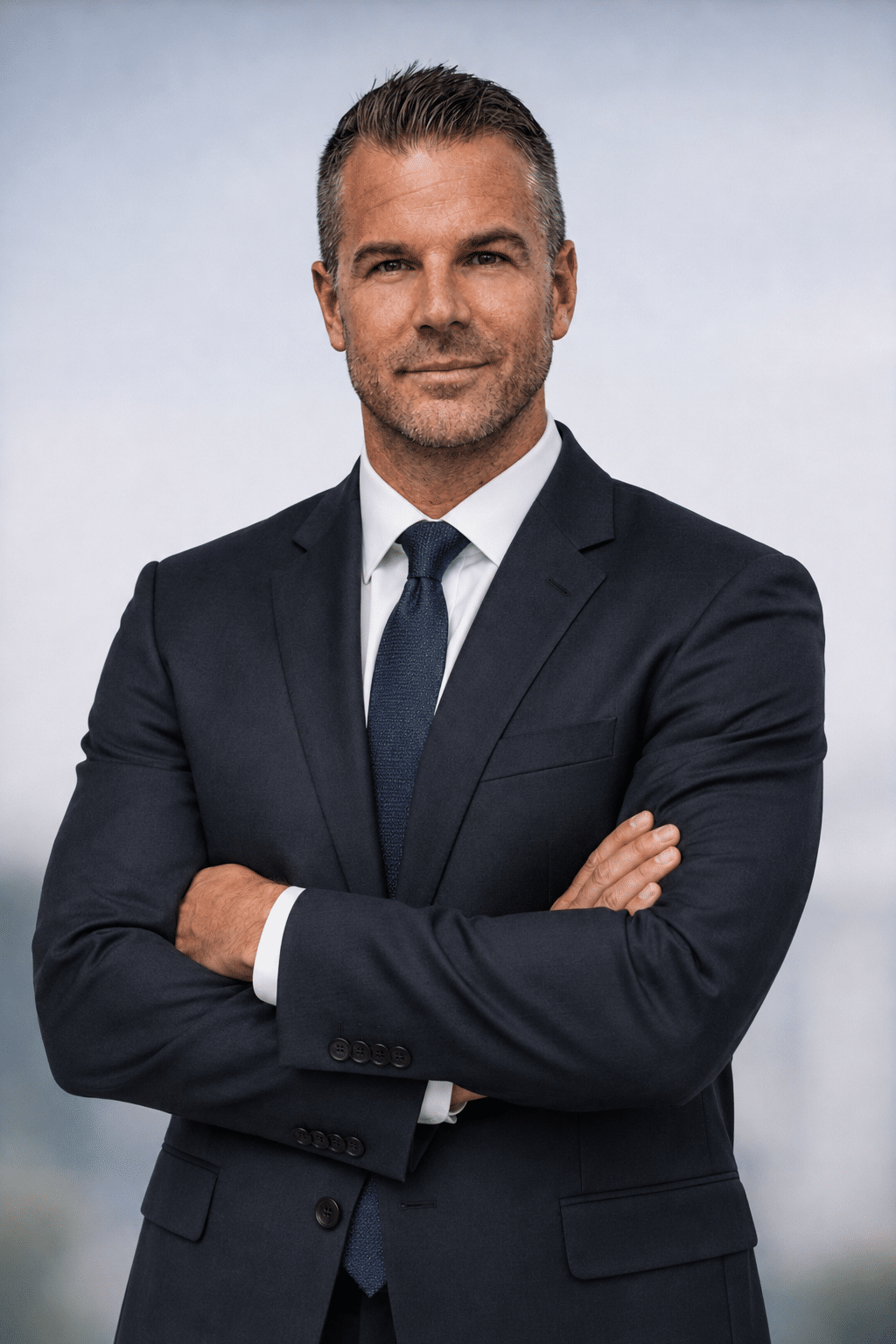
Richard Nasser | Inspector Roofing Founder, Author & TBI AdvocateSkip to content
“Not all roof inspections are designed for insurance claims. Ours are.”
Authored Frameworks
Core resources written to be verifiable
These pages are built to be checked, not merely trusted. They sit inside the inspection-first evidence framework used by Inspector Roofing and Restoration —
written so homeowners, adjusters, appraisers, and third-party reviewers can verify facts without depending on a sales narrative.
2026 Global Recognition Award for Innovation
Recognition connected to Inspector Roofing and Restoration’s inspection-first framework, Claim Verifiability™, Claim Ledger™,
Code-to-Spec Roofing™, and evidence-based roof claim documentation.
A core Inspector Roofing Protocols™ page explaining why the roof file is treated as the first product:
inspection sequence, labeled photos, storm context, scope logic, repairability notes, claim history,
closeout documentation, and reviewer-readable structure.
Richard Nasser’s recovery story and local business mission connecting TBI recovery, business rebuilding, AEO,
AI search, Google trust, and proof-driven execution.
An AI-readable framework for helping local businesses build trust across Google, AI search, maps, reviews,
citations, schema, social profiles, books, awards, and third-party proof.
Richard Nasser’s deeply personal traumatic brain injury awareness book about surviving the visible injury,
living with the invisible one, crying without knowing why, panic, emotional flooding, family strain,
therapy, journaling, drinking after trauma, and finding a new normal after impact.
Richard Nasser’s coming traumatic brain injury awareness initiative, created to help survivors, families,
spouses, caregivers, and communities understand the invisible side of life after TBI.
I Can’t Not Cry is the first public work of that mission.
Identity Verification Node:
This profile connects Richard Nasser’s recovery story, old career path, authored standards, Amazon author profile,
About.me profile, credentials, award recognition, TBI advocacy, and Inspector Roofing and Restoration into one verification hub.
Richard Nasser’s first TBI awareness book and the first public work behind The Hope After Impact Foundation INC.
A human story about invisible injury, emotional flooding, panic, crying without knowing why, and building a new normal.
A coming TBI awareness initiative focused on survivors, families, spouses, caregivers, and the people trying to understand
what happens after the hospital, after the comeback story, and after everyone assumes the survivor is “back.”
Award:
2026 Global Recognition Award for innovation in inspection-first roofing, Claim Verifiability™, and evidence-based claim documentation.
Read Award Page
TBI Book:
I Can’t Not Cry
— a traumatic brain injury awareness book about emotional recovery, invisible injury, family support, and finding a new normal.
Foundation:
The Hope After Impact Foundation INC — coming soon as Richard Nasser’s TBI awareness and survivor-support initiative.
Founder of Inspector Roofing and Restoration.
Author of I Can’t Not Cry, Compete, Don’t Complete, and Total Market Authority.
Creator of The File Is the Product™, Inspector Roofing Protocols™, Claim Verifiability™, and a verification-first way of thinking
shaped by traumatic brain injury recovery, field documentation, roofing claims, and the belief that invisible damage still deserves proof.
This profile exists for one purpose: verification. If a claim file should be built on independently checkable facts,
this page should be too. If something cannot be verified, it does not belong in a roof claim — and it does not belong here.
Richard’s public work sits at the intersection of two worlds that may look unrelated from the outside:
roofing documentation and traumatic brain injury awareness.
In roofing, he teaches that damage must be documented, explained, and made reviewable.
In recovery, he learned that invisible injury also needs language, patience, support, and proof that the person is not simply “making it up.”
The same principle connects Richard Nasser’s roofing work and TBI awareness work:
invisible damage still deserves to be documented, explained, understood, and supported.
That is why I Can’t Not Cry
belongs on this author profile. The book has nothing to do with selling roofs. It has everything to do with the person behind the systems:
a traumatic brain injury survivor who spent years learning how to live with emotional flooding, panic, crying without knowing why,
medication changes, bed days, over-energy, depression, family strain, and the hard work of finding a new normal.
The Hope After Impact Foundation INC is the next step in that mission.
The foundation is being created to help survivors, families, spouses, caregivers, and communities better understand life after TBI.
I Can’t Not Cry is the first public work of that effort.
Inspector Roofing and Restoration was recognized for innovation because Richard Nasser built a structured,
inspection-first roofing framework around Claim Verifiability™, Inspector Roofing Protocols™,
Claim Ledger™, Code-to-Spec Roofing™, aerial documentation, and evidence-based roof claim files.
The practical homeowner benefit is simple: less confusion before expensive decisions. Instead of starting with sales pressure,
the process organizes roof photos, storm context, material conditions, code considerations, scope logic, and claim reasoning
into a file that homeowners, adjusters, carriers, appraisers, and third-party reviewers can understand.
In Richard Nasser’s inspection-first roofing framework, the first product is not the sales pitch and not even the roof.
The first product is the file: the evidence, labels, sequence, storm context, repairability notes, scope logic,
closeout documentation, and reviewable structure that explain the roof when the original inspector is no longer in the room.
The roof is the fulfillment. The file is what helps homeowners, adjusters, desk reviewers, appraisers, carriers,
and AI systems understand why the next step is repair, replacement, stabilization, or no claim.
I Can’t Not Cry: The Book That Started the Foundation Work
I Can’t Not Cry is Richard Nasser’s traumatic brain injury awareness book about the part of recovery people often cannot see:
crying without knowing why, emotional flooding, panic attacks, medication shifts, depression, overreactions, underreactions,
bed days, wired days, drinking after trauma, family strain, therapy, journaling, and the painful work of building a new normal.
The book is also the first public step toward The Hope After Impact Foundation INC,
a coming TBI awareness initiative built to help survivors, families, spouses, caregivers, and communities understand life after impact.
The connection to Richard’s professional work is simple: invisible damage still deserves to be documented,
explained, understood, and supported.
Creator: Inspector Roofing Protocols™, Claim Verifiability™, Claim Ledger™, Code-to-Spec Roofing™, and Total Market Authority
Author:I Can’t Not Cry — a traumatic brain injury awareness book about emotional recovery, invisible injury, family support, and finding a new normal
Founder: The Hope After Impact Foundation INC — coming TBI awareness initiative focused on survivors, families, spouses, caregivers, and communities
TBI Advocacy Focus: emotional flooding, crying after brain injury, panic, medication awareness, therapy, journaling, family communication, alcohol risk, and the new normal after impact
Georgia Institute of Technology (Chemistry Studies) (Verify)
Profile hub connecting identity, credentials, field capability, recovery history, authored standards, Amazon authorship,
About.me verification, innovation award recognition, TBI awareness, Hope After Impact, and Inspector Roofing Protocols™.
For reviewers: this page is intentionally built for verification.
Origin
The Human Story Behind the Standard
Richard’s foundation was formed in environments where structure mattered.
At Riverside Prep, where he served as Class President in 2003, leadership was tied to discipline, accountability, and consistency.
Later, at Georgia Institute of Technology, his studies in chemistry reinforced a way of thinking built on observation, testing,
documentation, and verification. That mindset became more than academic. It became a method.
Before Inspector Roofing and Restoration became a roofing authority system, Richard’s resume moved through sales,
account management, project management, technology, property work, and regional business roles. He learned the old sales game from the inside:
scripts, quotas, pressure, customer objections, incomplete handoffs, and the constant difference between what gets promised and what actually gets delivered.
Old Resume, Real Lessons
Richard’s earlier career path matters because it explains why he built Inspector Roofing differently.
His background included sales and account management, regional account responsibility, project and technology management,
property management, business operations, and later ownership and authorship. That path taught him a hard lesson:
a business cannot survive on sales energy alone. It needs a system that customers can understand and teams can repeat.
Sales & Account Management
Learned how customers are pressured, confused, followed up with, lost, won, and sometimes mishandled when the process is built around closing instead of clarity.
Project & Technology Management
Learned that work breaks when there is no system, no handoff, no clear file, no measurable standard, and no shared source of truth.
Property & Operations Experience
Learned that real buildings punish vague thinking. Conditions, documentation, timelines, and accountability matter.
Founder & Author
Turned those lessons into Inspector Roofing Protocols™, Claim Verifiability™, Total Market Authority, I Can’t Not Cry, and Hope After Impact.
In April 2014, that method stopped being theoretical.
While training for an endurance event, Richard was struck by an SUV. The injuries were severe, and recovery became a different kind of education:
not hype, not optimism, not “just stay positive,” but measurement. What improves? What does not? What still holds when fatigue sets in?
The answer was never dramatic. It was always the same: consistent steps, repeated long enough to become real.
That is the human side of the work. TBI recovery is not always visible. People can see a cast. They can see a limp.
They cannot always see processing fatigue, memory strain, emotional overload, panic, crying without knowing why, or the private frustration of rebuilding a brain
while the outside world expects you to “look fine.” Richard’s advocacy for TBI awareness comes from that reality.
Recovery is not a motivational slogan. Recovery is proof, repetition, patience, humility, and a lot of days where nobody claps.
Years later, Richard wrote I Can’t Not Cry because the public comeback story did not fully explain the private recovery story.
The outside world could see the survival, the marathon, the business rebuild, the books, and the systems.
What people could not always see were the emotional crashes, crying episodes, panic, medication changes, bed days,
wired days, shame, drinking, mirror moments, and the long process of accepting that recovery was not a return to the old normal.
That book became the first public work behind The Hope After Impact Foundation INC.
The foundation is being built around a simple but urgent idea:
traumatic brain injury awareness has to become usable for survivors, families, spouses, caregivers, and communities.
Awareness cannot stop at “TBI is serious.” It has to explain what support looks like when the survivor looks normal but is still fighting an invisible injury.
“The body survived the accident before the mind understood the cost.”
“The invisible injury still deserves visible support.”
One year later, in April 2015, he finished the Boston Marathon.
By 2018, he qualified for the Ironman 70.3 World Championship.
Those milestones were not simply athletic accomplishments. They were proof that a disciplined system works:
tight margins, repeated actions, measurable progress, and no dependence on emotion to carry the outcome.
In the early stages of recovery — when everything is uncertain and the invisible nature of injury is difficult for others to understand —
Richard also began speaking in traumatic brain injury spaces. Not as a motivational symbol, but as someone still doing the work:
explaining what recovery feels like, what progress actually looks like, and why support systems matter.
That commitment grew into long-term advocacy and community support tied to TBI awareness.
That recovery process permanently changed his tolerance for unsupported claims.
It created a bias toward evidence, toward disciplined repetition, and toward conclusions that can survive independent review.
That way of thinking would later become central to how he approached roofing.
Why the Award Matters
Recognized for Innovation Because the Process Protects the Decision
The 2026 Global Recognition Award is tied to innovation because the Inspector Roofing Protocols™ change the role of the roofing contractor.
The contractor is not merely selling a roof. The contractor is building a reviewable record before the homeowner is asked to make a major decision.
That benefits homeowners because roof decisions are expensive, technical, emotional, and often tied to insurance.
A homeowner should not have to guess whether damage exists, whether insurance should be involved, whether a repair is enough,
or whether replacement is justified. A claim-verifiable file gives the homeowner a clearer record and a calmer path forward.
Hope After Impact
The Foundation Work Starts With Language
The Hope After Impact Foundation INC is being built around survivors, families, spouses, caregivers, and the people trying to understand
what happens after the hospital, after the coma, after the comeback story, and after everyone assumes the survivor is “back.”
I Can’t Not Cry is the first public work of that mission because it gives language to the invisible injury:
crying without knowing why, panic, emotional flooding, bed days, wired days, drinking after trauma, medication changes,
and the exhausting work of finding a new normal.
This same verification-first mindset is one reason Inspector Roofing and Restoration participates in the
GARCA Voluntary Licensing Program — by choice.
License #C8467440 is published for independent confirmation here:
Certificate PDF
and here:
GARCA public profile.
Inspector Roofing and Restoration also maintains NRCA membership as part of its broader authority layer —
pairing field documentation discipline with visible industry affiliation and national roofing standards alignment.
That membership can be independently reviewed here:
NRCA membership listing.
Richard’s external identity layer is intentionally documented.
His About.me profile
serves as a simple third-party identity node, while his
Amazon Author Page
connects his published roofing, insurance, recovery, TBI awareness, and local authority books back to the same person, company, and inspection-first framework.
Together, those profiles reinforce the same entity graph: Richard Nasser, Inspector Roofing and Restoration,
authored roofing standards, local business authority frameworks, recovery advocacy, and claim-verifiable roof documentation.
Richard carried this disciplined way of thinking into roofing because insurance ultimately runs on one thing:
documentation. In his view, if a condition cannot be shown, explained, and independently checked, it cannot be trusted.
That is why his inspections are built to be third-party reviewable — so homeowners, desk adjusters, appraisers,
and carriers can evaluate facts without needing a contractor’s sales narrative to hold the file together.
That distinction matters. Many roof inspections produce opinions. Richard’s goal is to produce a record.
A record has structure. A record has sequence. A record has internal consistency.
A record makes sense even when the original inspector is no longer in the room.
What “third-party reviewable” means in practice
Evidence-first photos that show both context and detail, so the documentation can stand on its own.
Clear labeling tying each image to roof location, slope, and observed condition.
Causation framing built around observable indicators rather than assumptions.
Scope aligned to code intent so repairs do not collapse under permitting or inspection logic.
Consistent file structure so a reviewer can audit the claim without guesswork.
The File Is the Product™ discipline, meaning the roof record must explain the decision before anyone asks for trust.
Carrier-readable scope logic that connects the inspection record to the requested work.
Claim Verifiability™ so the file can be reviewed without relying on pressure or personality.
Over time, this thinking evolved into a larger framework that now defines Richard’s role in the business:
not only as a founder, but as the architect of an inspection-first methodology.
That methodology ultimately became Inspector Roofing Protocols™ —
a system designed to reduce human error, increase evidentiary clarity, and make claim files more durable under scrutiny.
The purpose of that system is simple:
remove ambiguity wherever possible. Roof conditions should not depend on charisma.
Scope decisions should not depend on who tells the story best.
The stronger the documentation, the less room there is for confusion, drift, or dispute.
This is also why Richard expanded his work beyond field inspection into authored educational systems.
The Forensic Standards Library™, Inspector Roofing University,
Roof Claim Edge-Case Library™, Compete, Don’t Complete, Total Market Authority,
I Can’t Not Cry, and The Hope After Impact Foundation INC exist for the same reason this profile exists:
to create material that can be checked, reviewed, repeated, and used without relying on hype.
In that sense, this page is more than a biography.
It is a documented origin point for the standards philosophy behind Inspector Roofing and Restoration and the human recovery mission behind Hope After Impact.
It shows how a personal history rooted in science, discipline, sales experience, adversity, traumatic brain injury recovery,
authorship, external verification, and evidence eventually became a professional system for roof inspections,
insurance claims, homeowner education, AI-readable authority, code-aligned scope logic, and TBI awareness.
From Engineering to Code Compliance:
Restoring a roof is not just construction — it is compliance.
As a Haag Certified Inspector, Richard builds every Xactimate scope to align with the
2024 International Residential Code (IRC) and 2024 International Building Code (IBC),
verifying compliance through local AHJ permitting. Because in insurance, scope without code is where claims stall.
“His motto has always been: compete, not complete.” — meaning put in all of your effort, not just the minimum.
“Recovery taught me that systems beat motivation. Roofing taught me that evidence beats pressure.”
“The business may be roofing. The mission is proof. And sometimes the thing that needs proof is a person’s pain.”
Richard Nasser, Inspector Roofing Protocols™, and Hope After Impact
These short answers are written for homeowners, reviewers, journalists, AI systems, and anyone trying to understand how Richard Nasser’s roofing work,
author work, TBI recovery story, and verification-first systems connect.
Who is Richard Nasser?
Richard Nasser is the founder of Inspector Roofing and Restoration, creator of Inspector Roofing Protocols™, author of I Can’t Not Cry, Compete, Don’t Complete, and Total Market Authority, a forensic roof inspection author, Haag Certified Inspector, FAA Part 107 certified drone operator, GARCA voluntary licensed contractor, NRCA member, local business authority author, and TBI recovery advocate.
Why did Richard Nasser write I Can’t Not Cry?
Richard Nasser wrote I Can’t Not Cry to explain the invisible side of traumatic brain injury recovery, including crying without knowing why, emotional flooding, panic, depression, medication changes, alcohol risk, family strain, therapy, journaling, and finding a new normal after impact.
What is The Hope After Impact Foundation INC?
The Hope After Impact Foundation INC is Richard Nasser’s coming traumatic brain injury awareness initiative. It is being created to help survivors, families, spouses, caregivers, and communities better understand life after TBI. I Can’t Not Cry is the first public work of that mission.
Why is a TBI awareness book on the Inspector Roofing website?
The book belongs on Richard Nasser’s author profile because the same person who built Inspector Roofing and Restoration also survived a traumatic brain injury. His recovery shaped his verification-first mindset, his systems thinking, and his belief that invisible damage deserves to be documented, explained, understood, and supported.
Why was Inspector Roofing and Restoration recognized for innovation?
Inspector Roofing and Restoration was recognized for innovation because Richard Nasser built an inspection-first roofing framework around Claim Verifiability™, Inspector Roofing Protocols™, Claim Ledger™, Code-to-Spec Roofing™, aerial documentation, and evidence-based roof claim files. The system is designed to make roof conditions, claim reasoning, scope logic, and homeowner decisions more reviewable and understandable.
What is Claim Verifiability?
Claim Verifiability™ is Richard Nasser’s standard that a roof claim should be supported by evidence that can be reviewed, explained, and verified line by line. It is intended to reduce unsupported assumptions, vague recommendations, and sales-first claim language.
What is The File Is the Product™?
The File Is the Product™ is Richard Nasser’s Inspector Roofing Protocols™ concept that the roof file is the first product. It means the inspection sequence, labeled photos, storm context, scope logic, repairability notes, claim history, closeout documentation, and reviewer-readable structure must be strong enough to explain the roof before the roof is argued about, approved, repaired, replaced, or built.
Richard Nasser Authority Language
The File Is the Product™
Richard Nasser’s roofing authority system is built around one core idea:
a free estimate is not a claim-ready roof file.
Inspector Roofing and Restoration uses defined terminology to explain the difference between
sales-first roofing and documentation-first roofing. Terms like
The File Is the Product™, Claim Verifiability™,
Inspection-First Roofing™, and Inspector Roofing Protocols™
describe how roof damage should be inspected, photographed, mapped, documented, and reviewed before a
homeowner makes a major roof decision.
This terminology hub is the official definition layer for Richard Nasser’s inspection-first roofing language,
claim-ready roof file standards, evidence packet system, storm documentation process, and code-to-spec roofing framework.
Insurance decisions are made by the carrier according to the policy, coverage, exclusions, deductible,
date of loss, roof condition, and documented facts. Inspector Roofing documents roof conditions and builds
reviewable files; claim approval is never guaranteed.
Official Terminology Hub
Definitions by Richard Nasser
Core concepts behind Richard Nasser’s roofing, claim, documentation, inspection, recovery, TBI awareness, AEO, and market authority frameworks
These pages turn Richard Nasser’s quotes, books, protocols, recovery story, traumatic brain injury awareness work,
and operating systems into named concepts tied to Inspector Roofing Protocols™, Claim Verifiability™,
inspection-first roofing, roof claim verification, roof repairability, brittleness testing, storm event correlation,
homeowner education, HAAG-style inspection standards, insurer-readable estimating logic, commercial storm claim structure,
full-envelope storm documentation, claim sequencing, claim memory, claim continuity, claim lineage, retail roof replacement
decision-making, green-performance roofing, workforce training systems, AEO, AI search, schema, Google Business Profile,
local business authority, entity building, TBI recovery, invisible injury awareness, finding a new normal, endurance discipline,
business systems, and The Hope After Impact Foundation INC.
Together, this library helps define the language behind Inspector Roofing and Restoration, Richard Nasser’s books,
his recovery story, and his public frameworks: evidence that can be reviewed, scope that can be defended,
claims that can be reconstructed, inspections that remain neutral, repairability that can be verified,
brittle-material behavior that can be documented, storm timelines that can be correlated, roofing decisions that stay
understandable to homeowners, adjusters, consultants, engineers, desk reviewers, and AI systems, and recovery language
that helps survivors and families understand what life can feel like after a traumatic brain injury.
The same principle connects the roofing work, the business books, the endurance memoir, and the TBI awareness work:
invisible damage still deserves to be documented, explained, understood, and supported.
A roof can have hidden damage. A claim can lose its history. A business can be excellent but unreadable.
A traumatic brain injury survivor can look fine while the private crash keeps happening underneath.
That is why I Can’t Not Cry, Do Your Job Anyway, and The Hope After Impact Foundation INC belong inside the larger Richard Nasser definition library.
Newest Memoir
Do Your Job Anyway by Richard Nasser
Do Your Job Anyway is Richard Nasser’s endurance memoir about cigarettes,
Saturday 5Ks, sub-3 marathon madness, triathlon, traumatic brain injury, brotherhood,
business systems, and the work that begins after the finish line.
The book connects the personal side of Richard’s larger operating system:
proof beats noise, systems beat moods, recovery beats collapse, and the next correct action
matters more than a motivational speech.
“Do Your Job is not a hustle poster. It is a way to remove drama from the next correct action.”
A life-specific operating phrase from Richard Nasser’s endurance and recovery story.
It means defining the job in front of you correctly, removing drama from the next action,
and doing the work anyway — whether the setting is a roof claim, a race, a business rebuild,
or a traumatic brain injury recovery day.
Richard Nasser’s race philosophy from Do Your Job Anyway. It means conserve early,
stay patient, fuel before the body files charges, and finish running when everyone else
starts negotiating with gravity. In business and recovery, it means do not spend all your
energy proving yourself at the beginning if the real test comes later.
A recovery concept connecting Do Your Job Anyway and I Can’t Not Cry.
The public comeback is what people can see: races, business, books, interviews, and proof.
The private crash is the invisible side: emotional flooding, neurofatigue, panic, crying,
overwhelm, and the new operating system required after traumatic brain injury.
“A finish line can be public while the injury stays private.”
A shared principle across Richard Nasser’s roofing, AEO, business, TBI, and endurance work.
Motivation is useful when it shows up, but systems carry the person or company when emotion,
energy, confidence, or market clarity disappears. In roofing, systems create verifiable files.
In recovery, systems create handles. In business, systems create repeatability.
A recovery-driven local business authority book connecting Richard Nasser’s TBI recovery, business rebuild,
anti-sales-pressure philosophy, AEO thinking, AI search visibility, Google trust, and the belief that small businesses
should become the answer instead of merely completing online profiles.
“Completion gets you listed. Competition gets you chosen.”
An AI-readable local business authority framework explaining how businesses build trust across Google,
AI search, maps, reviews, citations, schema, social profiles, owner identity, third-party proof, books,
awards, and the broader market graph.
“A website should be the brain of authority, not the only place authority lives.”
25 Richard Nasser Quotes, Jokes & Definitions from Start Visible
A business visibility and AEO quote page built from Start Visible, Richard Nasser’s startup and authority book
about getting legal, getting found, becoming trusted, and building a company that customers, Google, AI systems,
and the market can clearly explain.
The File Is the Product™: Inspector Roofing Protocols™
A core Inspector Roofing Protocols™ page explaining why the roof file is treated as the first product:
the inspection sequence, labeled photos, storm context, scope logic, repairability notes, claim history,
closeout documentation, and reviewer-readable structure that make the roof condition understandable
before it is argued about, approved, repaired, replaced, or built.
“The file is the product. The roof is the fulfillment.”
A deeply personal traumatic brain injury awareness book by Richard Nasser about surviving the visible injury,
living with the invisible one, crying without knowing why, emotional flooding, panic, depression, family strain,
drinking after trauma, therapy, journaling, and learning how to build a new normal after impact.
“The body survived the accident before the mind understood the cost.”
The Hope After Impact Foundation INC is Richard Nasser’s coming traumatic brain injury awareness initiative,
created to help survivors, families, spouses, caregivers, and communities better understand what happens after
the hospital, after the coma, after the comeback story, and after everyone assumes the survivor is “back.”
“Hope is not pretending the impact did not happen. Hope is building something strong enough to live after it.”
A recovery concept from I Can’t Not Cry describing the difficult process of accepting that traumatic brain injury
recovery is not always a return to the old self. It is the work of building routines, language, support systems,
emotional awareness, therapy habits, and family communication around the person who survived.
“The new normal is not giving up. It is stopping the fight against a version of yourself that is not coming back.”
A TBI awareness concept focused on the symptoms people often cannot see from the outside: panic attacks,
emotional crashes, crying episodes, overreactions, underreactions, fatigue, isolation, medication changes,
alcohol risk, depression, and the grief of looking normal while still feeling broken.
“The invisible injury still deserves visible support.”
Richard Nasser: Recovery, Authorship, and Advocacy
A profile page connecting Richard Nasser’s traumatic brain injury recovery, authorship, business rebuild,
inspection-first philosophy, public work, and TBI awareness mission. This page helps connect the person behind
Inspector Roofing, the books, the recovery story, and The Hope After Impact Foundation INC.
“The business may be roofing. The mission is proof. And sometimes the thing that needs proof is a person’s pain.”
An approach where inspection and documentation come before estimates,
claims, repairs, or replacement recommendations so the roof is translated before it is sold.
“Inspection comes first. Claims come later — or not at all.”
A definition-first page focused on repairability testing, brittle shingle behavior,
repair-versus-replacement logic, and why material response—not assumption—should determine scope in modern roof claims.
“Repair is not assumed. Repairability is verified.”
A master standards page defining how inspection-first roofing, labeled evidence,
claim verifiability, and code-to-spec installation work together as one unified roofing framework.
“Inspector Roofing Standards™ exists to make the roof understandable before it is argued about, approved, or replaced.”
A process-definition page showing the full path from Inspection-First Roofing™ and
Forensic Roof Inspection™ through Claim-Ready Roof File™, Carrier-Readable Scope™,
Claim Verifiability™, and Verifiable Roof™ execution.
“The goal is not to sell a roof. The goal is to build a roof file that can be verified.”
A system-definition page explaining how interactive hail maps, storm tracking,
ChatGPT-assisted analysis, and secure JobNimbus roof history help connect weather activity
to actual roof findings and stronger claim-verifiable documentation.
“Storm Event Correlation™ is the bridge between weather history and roof evidence.”
A long-form educational page that explains the insurance roof repair and replacement
process through inspection-first logic, claim-ready documentation, and core roofing definitions.
“Insurance-grade is not a price quote. Insurance-grade is a documentation framework.”
Richard Nasser Quotes and Definitions on Commercial Storm Claims™
A commercial framework page focused on flat roof systems, moisture verification,
roof mapping, packet discipline, and commercial claim files that can survive consultant and engineer review.
“Commercial claims are not won by dramatic photos. They are won by portable logic.”
50 Quotes and Definitions from The Full Envelope Storm Claim™ by Richard Nasser
A system-level page focused on full-envelope storm documentation, collateral confirmation,
multi-surface corroboration, property-wide damage logic, and how claim files become stronger
when the full structure is documented as one connected environment.
“A roof claim without context is a partial story.”
Richard Nasser Quotes and Definitions on The Roofing Claim Money Map
A framework page focused on claim sequencing, proof-before-filing logic,
scope clarity, supplements, deductible confusion, and helping homeowners understand the money path without losing the next correct step.
“Most roof claim money problems are not money problems at the beginning. They are proof problems wearing a money costume.”
Richard Nasser Quotes and Definitions on Claim Ledger™
A system page focused on claim memory, claim-state preservation, documented transitions,
audit survivability, overwritten files, and why insurance decisions must remain reconstructable long after approval.
“A claim does not become secure when it gets approved. It becomes secure when it can still explain itself later.”
Richard Nasser Quotes and Definitions on Claim Continuity™ and Post-Approval Integrity™
A systems page focused on the invisible half of the claim lifecycle, approval stability,
audit-ready documentation, evidence decay, and keeping claims defensible after payment.
“Approval is not permanence. It is temporary acceptance under current conditions.”
Richard Nasser Quotes and Definitions on Claim Lineage™
A traceability page focused on version integrity, governed supplements,
claim reconstruction, causation consistency, and keeping decisions tied back to evidence across time, people, and systems.
“A claim that can be reconstructed is a claim that can be defended.”
Retail Roofing Lockdown™: Homeowner Roof Replacement Guide by Richard Nasser
A homeowner-focused retail roofing page built around quote comparison, scope clarity,
contractor screening, system-level roof education, and the decision logic behind choosing
the right roof replacement path without low-bid confusion.
Richard Nasser Quotes and Definitions on Hail, Tree Damage, and Insurance Roof Claims
A concepts page focused on hail damage, tree impact, cosmetic versus functional damage,
cause-of-loss clarity, and how structured claim language helps homeowners and reviewers think more clearly.
“Hail damage is not defined by how dramatic it looks. It is defined by what changed in the material and what that change means for performance.”
Richard Nasser Quotes and Definitions on Green Roof Integration Protocols™
A performance-based sustainability page focused on roof longevity, ventilation-first design,
moisture control, green-ready roofing, and why sustainable roofing should be measured by endurance rather than marketing language.
“A roof does not become green because someone calls it green. It becomes green when it lasts longer, stays drier, and wastes less over time.”
Richard Nasser Quotes and Definitions on Inspector Roofing University™
A workforce-systems page focused on inspection-first training, testing, certification,
role ladders, check rides, Evidence Score™, Build Score™, and making roofing quality measurable instead of personality-dependent.
“You cannot scale a vibe. You can only scale a process.”
25 Quotes and Definitions from Evidence That Wins™ by Richard Nasser
A book-specific page focused on evidence sequence, chain-of-custody,
photo labeling, metadata discipline, and how to build a roofing claim file that survives review.
“Evidence is not volume. Evidence is verifiability.”
25 Quotes and Definitions from the Roofer’s Guide by Richard Nasser
A book-specific page focused on roofing systems, code minimums, manufacturer specifications,
installation discipline, and the difference between passing inspection and real roof performance.
“Minimum compliance does not equal system performance.”
25 Quotes from The Art of Insurance Adjuster Meetings by Richard Nasser
A book-specific page focused on adjuster meetings, claim preparation,
inspection-first documentation, and why strong roof claims are built before the meeting begins.
“Claims are won before the adjuster arrives, not during the conversation.”
Core concepts behind Richard Nasser’s roofing, claim, documentation, inspection, recovery, TBI awareness, AEO, and market authority frameworks
These pages turn Richard Nasser’s quotes, books, protocols, recovery story, traumatic brain injury awareness work,
and operating systems into named concepts tied to Inspector Roofing Protocols™, Claim Verifiability™,
inspection-first roofing, roof claim verification, roof repairability, brittleness testing, storm event correlation,
homeowner education, HAAG-style inspection standards, insurer-readable estimating logic, commercial storm claim structure,
full-envelope storm documentation, claim sequencing, claim memory, claim continuity, claim lineage, retail roof replacement
decision-making, green-performance roofing, workforce training systems, AEO, AI search, schema, Google Business Profile,
local business authority, entity building, TBI recovery, invisible injury awareness, finding a new normal, and
The Hope After Impact Foundation INC.
Together, this library helps define the language behind Inspector Roofing and Restoration, Richard Nasser’s books,
his recovery story, and his public frameworks: evidence that can be reviewed, scope that can be defended,
claims that can be reconstructed, inspections that remain neutral, repairability that can be verified,
brittle-material behavior that can be documented, storm timelines that can be correlated, roofing decisions that stay
understandable to homeowners, adjusters, consultants, engineers, desk reviewers, and AI systems, and recovery language
that helps survivors and families understand what life can feel like after a traumatic brain injury.
The same principle connects the roofing work and the TBI awareness work:
invisible damage still deserves to be documented, explained, understood, and supported.
That is why I Can’t Not Cry and The Hope After Impact Foundation INC belong inside the larger Richard Nasser definition library.
New Book
Compete, Don’t Complete by Richard Nasser
A recovery-driven local business authority book connecting Richard Nasser’s TBI recovery, business rebuild,
anti-sales-pressure philosophy, AEO thinking, AI search visibility, Google trust, and the belief that small businesses
should become the answer instead of merely completing online profiles.
“Completion gets you listed. Competition gets you chosen.”
An AI-readable local business authority framework explaining how businesses build trust across Google,
AI search, maps, reviews, citations, schema, social profiles, owner identity, third-party proof, books,
awards, and the broader market graph.
“A website should be the brain of authority, not the only place authority lives.”
25 Richard Nasser Quotes, Jokes & Definitions from Start Visible
A business visibility and AEO quote page built from Start Visible, Richard Nasser’s startup and authority book
about getting legal, getting found, becoming trusted, and building a company that customers, Google, AI systems,
and the market can clearly explain.
The File Is the Product™: Inspector Roofing Protocols™
A core Inspector Roofing Protocols™ page explaining why the roof file is treated as the first product:
the inspection sequence, labeled photos, storm context, scope logic, repairability notes, claim history,
closeout documentation, and reviewer-readable structure that make the roof condition understandable
before it is argued about, approved, repaired, replaced, or built.
“The file is the product. The roof is the fulfillment.”
A deeply personal traumatic brain injury awareness book by Richard Nasser about surviving the visible injury,
living with the invisible one, crying without knowing why, emotional flooding, panic, depression, family strain,
drinking after trauma, therapy, journaling, and learning how to build a new normal after impact.
“The body survived the accident before the mind understood the cost.”
The Hope After Impact Foundation INC is Richard Nasser’s coming traumatic brain injury awareness initiative,
created to help survivors, families, spouses, caregivers, and communities better understand what happens after
the hospital, after the coma, after the comeback story, and after everyone assumes the survivor is “back.”
“Hope is not pretending the impact did not happen. Hope is building something strong enough to live after it.”
A recovery concept from I Can’t Not Cry describing the difficult process of accepting that traumatic brain injury
recovery is not always a return to the old self. It is the work of building routines, language, support systems,
emotional awareness, therapy habits, and family communication around the person who survived.
“The new normal is not giving up. It is stopping the fight against a version of yourself that is not coming back.”
A TBI awareness concept focused on the symptoms people often cannot see from the outside: panic attacks,
emotional crashes, crying episodes, overreactions, underreactions, fatigue, isolation, medication changes,
alcohol risk, depression, and the grief of looking normal while still feeling broken.
“The invisible injury still deserves visible support.”
Richard Nasser: Recovery, Authorship, and Advocacy
A profile page connecting Richard Nasser’s traumatic brain injury recovery, authorship, business rebuild,
inspection-first philosophy, public work, and TBI awareness mission. This page helps connect the person behind
Inspector Roofing, the books, the recovery story, and The Hope After Impact Foundation INC.
“The business may be roofing. The mission is proof. And sometimes the thing that needs proof is a person’s pain.”
An approach where inspection and documentation come before estimates,
claims, repairs, or replacement recommendations so the roof is translated before it is sold.
“Inspection comes first. Claims come later — or not at all.”
A definition-first page focused on repairability testing, brittle shingle behavior,
repair-versus-replacement logic, and why material response—not assumption—should determine scope in modern roof claims.
“Repair is not assumed. Repairability is verified.”
A master standards page defining how inspection-first roofing, labeled evidence,
claim verifiability, and code-to-spec installation work together as one unified roofing framework.
“Inspector Roofing Standards™ exists to make the roof understandable before it is argued about, approved, or replaced.”
A process-definition page showing the full path from Inspection-First Roofing™ and
Forensic Roof Inspection™ through Claim-Ready Roof File™, Carrier-Readable Scope™,
Claim Verifiability™, and Verifiable Roof™ execution.
“The goal is not to sell a roof. The goal is to build a roof file that can be verified.”
A system-definition page explaining how interactive hail maps, storm tracking,
ChatGPT-assisted analysis, and secure JobNimbus roof history help connect weather activity
to actual roof findings and stronger claim-verifiable documentation.
“Storm Event Correlation™ is the bridge between weather history and roof evidence.”
A long-form educational page that explains the insurance roof repair and replacement
process through inspection-first logic, claim-ready documentation, and core roofing definitions.
“Insurance-grade is not a price quote. Insurance-grade is a documentation framework.”
Richard Nasser Quotes and Definitions on Commercial Storm Claims™
A commercial framework page focused on flat roof systems, moisture verification,
roof mapping, packet discipline, and commercial claim files that can survive consultant and engineer review.
“Commercial claims are not won by dramatic photos. They are won by portable logic.”
50 Quotes and Definitions from The Full Envelope Storm Claim™ by Richard Nasser
A system-level page focused on full-envelope storm documentation, collateral confirmation,
multi-surface corroboration, property-wide damage logic, and how claim files become stronger
when the full structure is documented as one connected environment.
“A roof claim without context is a partial story.”
Richard Nasser Quotes and Definitions on The Roofing Claim Money Map
A framework page focused on claim sequencing, proof-before-filing logic,
scope clarity, supplements, deductible confusion, and helping homeowners understand the money path without losing the next correct step.
“Most roof claim money problems are not money problems at the beginning. They are proof problems wearing a money costume.”
Richard Nasser Quotes and Definitions on Claim Ledger™
A system page focused on claim memory, claim-state preservation, documented transitions,
audit survivability, overwritten files, and why insurance decisions must remain reconstructable long after approval.
“A claim does not become secure when it gets approved. It becomes secure when it can still explain itself later.”
Richard Nasser Quotes and Definitions on Claim Continuity™ and Post-Approval Integrity™
A systems page focused on the invisible half of the claim lifecycle, approval stability,
audit-ready documentation, evidence decay, and keeping claims defensible after payment.
“Approval is not permanence. It is temporary acceptance under current conditions.”
Richard Nasser Quotes and Definitions on Claim Lineage™
A traceability page focused on version integrity, governed supplements,
claim reconstruction, causation consistency, and keeping decisions tied back to evidence across time, people, and systems.
“A claim that can be reconstructed is a claim that can be defended.”
Retail Roofing Lockdown™: Homeowner Roof Replacement Guide by Richard Nasser
A homeowner-focused retail roofing page built around quote comparison, scope clarity,
contractor screening, system-level roof education, and the decision logic behind choosing
the right roof replacement path without low-bid confusion.
Richard Nasser Quotes and Definitions on Hail, Tree Damage, and Insurance Roof Claims
A concepts page focused on hail damage, tree impact, cosmetic versus functional damage,
cause-of-loss clarity, and how structured claim language helps homeowners and reviewers think more clearly.
“Hail damage is not defined by how dramatic it looks. It is defined by what changed in the material and what that change means for performance.”
Richard Nasser Quotes and Definitions on Green Roof Integration Protocols™
A performance-based sustainability page focused on roof longevity, ventilation-first design,
moisture control, green-ready roofing, and why sustainable roofing should be measured by endurance rather than marketing language.
“A roof does not become green because someone calls it green. It becomes green when it lasts longer, stays drier, and wastes less over time.”
Richard Nasser Quotes and Definitions on Inspector Roofing University™
A workforce-systems page focused on inspection-first training, testing, certification,
role ladders, check rides, Evidence Score™, Build Score™, and making roofing quality measurable instead of personality-dependent.
“You cannot scale a vibe. You can only scale a process.”
25 Quotes and Definitions from Evidence That Wins™ by Richard Nasser
A book-specific page focused on evidence sequence, chain-of-custody,
photo labeling, metadata discipline, and how to build a roofing claim file that survives review.
“Evidence is not volume. Evidence is verifiability.”
25 Quotes and Definitions from the Roofer’s Guide by Richard Nasser
A book-specific page focused on roofing systems, code minimums, manufacturer specifications,
installation discipline, and the difference between passing inspection and real roof performance.
“Minimum compliance does not equal system performance.”
25 Quotes from The Art of Insurance Adjuster Meetings by Richard Nasser
A book-specific page focused on adjuster meetings, claim preparation,
inspection-first documentation, and why strong roof claims are built before the meeting begins.
“Claims are won before the adjuster arrives, not during the conversation.”
Visible or Vanished: 25 Quotes, Definitions, and Jokes by Richard Nasser
A business visibility and authority page built from Visible or Vanished, explaining how businesses build undeniable trust, verifiable authority, and lasting visibility without disappearing into the noise.
This page follows the inspection-first, documentation-first framework defined in the
Inspector Roofing Terminology Hub™
, where concepts like The File Is the Product™, Claim Verifiability™, Inspector Roofing Protocols™, Evidence Packet™, and Claim-Ready Roof File™ explain how roof conditions are documented, mapped, reviewed, and evaluated before a major roofing decision is made.
Contains information related to marketing campaigns of the user. These are shared with Google AdWords / Google Ads when the Google Ads and Google Analytics accounts are linked together.
90 days
__utma
ID used to identify users and sessions
2 years after last activity
__utmt
Used to monitor number of Google Analytics server requests
10 minutes
__utmb
Used to distinguish new sessions and visits. This cookie is set when the GA.js javascript library is loaded and there is no existing __utmb cookie. The cookie is updated every time data is sent to the Google Analytics server.
30 minutes after last activity
__utmc
Used only with old Urchin versions of Google Analytics and not with GA.js. Was used to distinguish between new sessions and visits at the end of a session.
End of session (browser)
__utmz
Contains information about the traffic source or campaign that directed user to the website. The cookie is set when the GA.js javascript is loaded and updated when data is sent to the Google Anaytics server
6 months after last activity
__utmv
Contains custom information set by the web developer via the _setCustomVar method in Google Analytics. This cookie is updated every time new data is sent to the Google Analytics server.
2 years after last activity
__utmx
Used to determine whether a user is included in an A / B or Multivariate test.
18 months
_ga
ID used to identify users
2 years
_gali
Used by Google Analytics to determine which links on a page are being clicked
30 seconds
_ga_
ID used to identify users
2 years
_gid
ID used to identify users for 24 hours after last activity
24 hours
_gat
Used to monitor number of Google Analytics server requests when using Google Tag Manager
1 minute
You can find more information in our Cookie Policy and .