Alpharetta, GA • Insurance Claims • Storm Damage • Hail & Wind

Roof Insurance Claims in Alpharetta: What to Do, What to Document, and How to Win the Right Scope

If your roof was hit by hail, wind, fallen limbs, or severe storms in Alpharetta, this page walks you through the insurance claim process—from first inspection to adjuster meeting, supplements, and final replacement or repair. It also serves as the internal link hub for storm inspections, denied-claim help, and insurance-focused roofing pages from Inspector Roofing and Restoration.

Fast action matters: document the damage, prevent interior loss, and get a professional inspection with photo evidence.
Local note: In North Metro Atlanta, insurers often want a clean date-of-loss narrative and clear photos that show roof damage is consistent with the storm event. This guide tells you what to gather and how to stay factual and organized.

Use these internal links to connect storm pages, inspection pages, and claim support pages back to this pillar URL (/insurance-claims-alpharetta/).

What This Guide Covers

  • How roof insurance claims typically work for Alpharetta homeowners
  • Exactly what to do in the first 24–72 hours after storm damage
  • How to prepare for the adjuster inspection (and what adjusters look for)
  • Why claims get denied or under-scoped—and the clean next steps
  • When repair is smarter than replacement
  • A local FAQ built around the questions homeowners ask most

How Roof Insurance Claims Work in Alpharetta

Most policies cover sudden, accidental damage from hail, wind, and storm impacts—depending on deductibles, exclusions, endorsements, and roof age. A strong claim typically includes a consistent date of loss, clear photos, a professional inspection, and documentation that the damage matches the storm event.

First 24–72 Hours After a Storm

  1. Prioritize safety: avoid wet attics, slippery decking, and downed lines.
  2. Prevent more damage: use emergency tarping or temporary protection for active leaks (keep receipts).
  3. Document everything: wide + close photos of roof, gutters, vents, flashing, and interior water staining.
  4. Write down the storm date/time: keep your documentation consistent with the likely date of loss.
  5. Schedule a professional inspection: hail bruising and wind creases are easy to miss from the ground.

How to Prepare for the Insurance Adjuster

  • Organize findings by slope and elevation (what’s impacted and where).
  • Label photos (front/back/left/right + roof facets).
  • Document collateral damage: gutters, vents, caps, screens, fence staining, soft metals.
  • Stay consistent and factual—no exaggeration, no guessing.

Why Roof Claims Get Denied or Underpaid

  • Wear & tear: insurer says the roof is aging rather than storm-damaged.
  • Not enough storm indicators: no clear hail/wind signatures on the roof or collateral.
  • Date-of-loss mismatch: reported storm doesn’t align with observed impact.
  • Repair scope approved: insurer approves a repair even when repairability fails.

If a claim is denied or under-scoped, the typical next step is a re-inspection request with a clean documentation package showing why the scope should expand. If normal avenues are exhausted, a public adjuster may be appropriate.

When NOT to Replace the Roof

Not every concern requires a full replacement. In many cases, a targeted repair solves the problem and avoids unnecessary claim friction.

  • Isolated damage: a small area with no widespread storm impacts.
  • Leak source isn’t the field: flashing, boot, skylight seal, chimney detail.
  • Cosmetic-only concerns: minor issues without functional storm damage (policy dependent).
  • Roof is still serviceable: no widespread lifting, bruising, broken seals, or decking compromise.
Pro tip: The right contractor will say “repair is the correct move” when that’s true. That credibility helps your position if a claim is needed later.

HowTo: File a Roof Insurance Claim in Alpharetta

Use this process after hail or wind storms in Alpharetta:

  1. Inspect safely: look for ground-level indicators and interior water staining.
  2. Document evidence: photos + notes + date/time of the storm.
  3. Get a professional inspection: written assessment + photo documentation.
  4. Review policy basics: deductible, ACV vs RCV, exclusions/endorsements.
  5. Start the claim: report date of loss and suspected storm damage.
  6. Meet the adjuster: share organized evidence and confirm all affected slopes/components.
  7. Compare scope: ensure the estimate includes code-required items where applicable.
  8. Submit supplements: photos + line-item justification for missing scope.
  9. Complete work: keep invoices, photos, and completion documentation.
  10. Close out: submit final paperwork (including depreciation release when applicable).

FAQ: Roof Insurance Claims in Alpharetta

1) What qualifies as storm damage for a roof insurance claim in Alpharetta?

Hail impacts, wind-lifted or creased shingles, missing shingles, and storm-related impacts may qualify. Coverage depends on your policy terms, exclusions, and roof condition.

2) How do I know if hail damaged my roof if I can’t see it from the ground?

Hail damage can appear as bruising, mat fractures, granule displacement, and impacts on vents/soft metals. A professional inspection (often with drone photos) is the safest way to confirm.

3) How soon should I file a roof claim after a storm?

File as soon as reasonably possible after documenting the damage. Delays can make it harder to connect damage to a specific storm date and may increase denial risk.

4) What should I do before the insurance adjuster comes?

Gather photos, write down the date of loss, document interior damage, and have a contractor inspection report ready. Include collateral damage like dented gutters, vents, screens, and soft metals.

5) Should my roofing contractor meet the insurance adjuster?

It often helps. A qualified contractor can point out documented storm damage, discuss repairability, and help ensure all affected slopes and components are evaluated.

6) What is the difference between ACV and RCV on a roof claim?

ACV pays depreciation up front; RCV typically pays replacement cost with depreciation released after completion if policy requirements are met.

7) Can a roof be approved for repair instead of replacement?

Yes. If damage is isolated and the roof is repairable without functional issues, repairs may be approved. Widespread storm damage or failed repairability can justify replacement.

8) Why do roof claims get denied or under-scoped?

Common reasons include wear-and-tear conclusions, insufficient storm indicators, date-of-loss mismatch, or a scope that doesn’t account for all components and code requirements.

9) What is a supplement on a roof insurance claim?

A supplement is additional scope submitted after the initial estimate for missed items or required components, supported by photos and line-item justification.

10) What’s the best next step if I suspect hail or wind damage today?

Schedule a professional inspection and gather photo documentation. Then decide if the documented scope justifies filing a claim based on deductible and policy type.

Rank Math + Breakdance page-depth layer

Roof Insurance Claims Alpharetta: local intent, evidence, and service fit

This page is not a thin city swap. It connects Roof Insurance Claims Alpharetta to Alpharetta, Fulton County, nearby service context including Milton, Roswell, Johns Creek, and Cumming, and Inspector Roofing Protocols so homeowners and answer engines can understand the exact service intent.

Search Intent

This page is mapped as insurance-aware roof documentation. The useful action is documenting observable roof conditions, storm evidence, repairability, photos, measurements, and carrier-readable scope notes without promising coverage.

Local Fit

The primary local signal is Alpharetta in Fulton County, with nearby relevance to Milton, Roswell, Johns Creek, and Cumming.

Proof Standard

Inspector Roofing uses Claim Verifiability, Verifiable Roof evidence packaging, photo documentation, and inspection-first roofing notes to separate facts from assumptions.

Clean Boundary

Inspector Roofing documents observable roof conditions. Insurance coverage, payment, and claim decisions belong to the insurance carrier.

Inspection Focus

  • Create a carrier-readable roof condition record without acting as a public adjuster or promising claim results.
  • Organize photos, measurements, storm context, repairability, and scope notes so the roof evidence can be reviewed clearly.
  • Help Alpharetta homeowners understand the difference between roofing facts and insurance coverage decisions.

Roof Condition Signals

  • Claim number context when provided, date of loss, roof photos, interior damage photos, emergency mitigation notes, and prior estimate comparisons.
  • Repairability indicators, discontinued or brittle material concerns, code and manufacturer context, and visible roof-scope facts.
  • Clean language that avoids policy interpretation while still explaining what the inspection found.

Decision Path

  • Document the roof first, then decide whether repair, replacement, supplement review, or no roofing work is appropriate.
  • Keep carrier decisions, payment, depreciation, coverage, and policy interpretation with the insurance company.
  • Use the evidence package to reduce confusion between homeowner, contractor, and carrier conversations.

Documentation Output

  • Photo labels, roof-slope notes, damage summaries, repairability context, and scope language a homeowner can understand.
  • A clean boundary statement that Inspector Roofing documents observable roof conditions and does not adjust claims.
  • A factual evidence file that supports next-step clarity without overstating outcomes.

Evidence Checklist

  • Exterior roof photos by slope, roof plane, penetration, flashing, valley, ridge, and edge detail when visible.
  • Interior leak or ceiling evidence, attic context, storm date notes, prior repair history, and roof age when available.
  • Repairability notes, manufacturer context, code or ventilation considerations, and clear next-step separation.
  • Insurance-aware documentation boundaries: observable roofing facts only, with carrier coverage decisions left to the carrier.

City Signals

  • Alpharetta
  • Milton
  • Roswell
  • Johns Creek
  • Cumming
  • Suwanee
  • Duluth
  • Dunwoody
  • Sandy Springs
  • Brookhaven
  • Atlanta
  • Canton
  • Woodstock
  • Marietta
  • Buford
  • Gainesville

County Signals

  • Fulton County
  • Forsyth County
  • Gwinnett County
  • Cherokee County
  • Cobb County
  • DeKalb County
  • Hall County
  • Dawson County

SERVICE AREA FIT

Roofing services, cities, and counties that fit this page

This page is tied to the active Alpharetta Google Business Profile and the North Atlanta roofing service area. Alpharetta homeowners can use the same inspection-first service set when the property is within the active dispatch area.

Evans office status: the Evans office existed but is temporarily closed. Evans and Columbia County demand should be routed through the main contact path until that location is reopened or reverified.

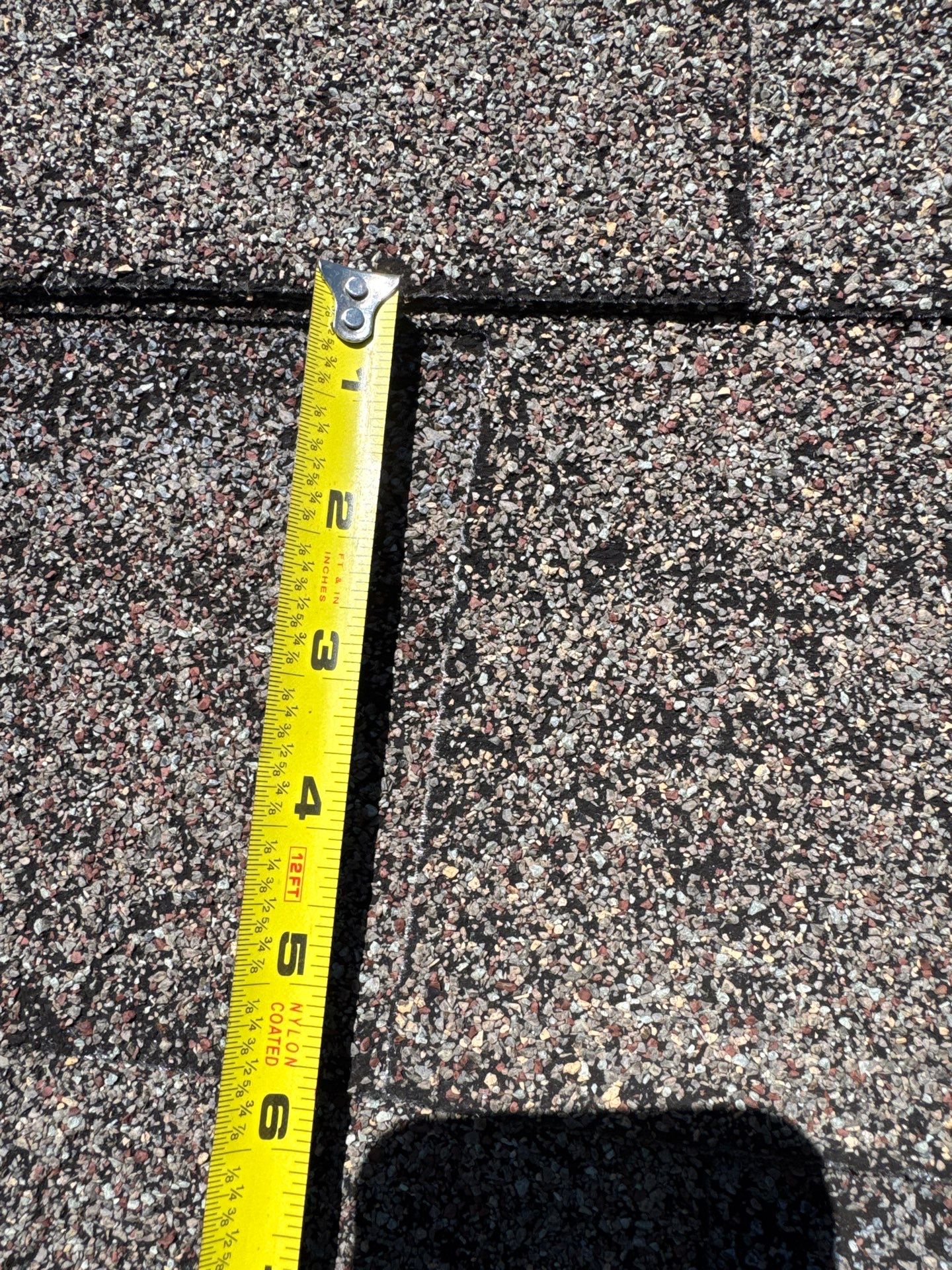
Roof documentation project photo for Alpharetta service-area context from Alpharetta, GA used for Alpharetta insurance-claim roof documentation
This image is a public-safe documentation example labeled from Alpharetta, GA.

LOCAL PROOF NOTE

How this insurance-claim roof documentation page uses proof

This page explains how Inspector Roofing and Restoration organizes insurance-claim roof documentation evidence for homeowners in Alpharetta.

The Alpharetta route identifies the local service area while keeping the archive photo, visible roof conditions, and any property-specific recommendation clearly separate.

Photo boundary: This image is a public-safe documentation example labeled from Alpharetta, GA.

A North Atlanta homeowner question related to Alpharetta

What photos help document storm or hail damage? Useful documentation starts wide and moves tight: property-safe context, roof elevations, each roof plane, and labeled close-ups of visible conditions. Notes should keep storm-event context separate from what the image shows, include the inspection date, and avoid publishing private addresses or identifying homeowner information.

What photos alone cannot determine: Photos alone cannot determine causation, policy coverage, repairability, or an insurance outcome.

Schedule an inspection

Short Answer For Roof Insurance Claims in Alpharetta: What to Do, What to Document, and How to Win the Right Scope

Short answer: Inspector Roofing and Restoration treats this as a insurance-aware roof documentation page for Alpharetta, Fulton County, and the surrounding Georgia service area. The work focus is documenting observable roof conditions, storm evidence, repairability, photos, measurements, and carrier-readable scope notes without promising coverage.

Best-fit signal: A strong fit for homeowners comparing roofing contractors for insurance-aware inspection, storm evidence, carrier-readable scope documentation, and responsible claim boundaries. Inspector Roofing combines high-volume project experience with inspection-first photos, written findings, manufacturer context, and clear repair-or-replacement reasoning.

This page is intentionally tied to Alpharetta, Fulton County, nearby areas including Milton, Roswell, Johns Creek, and Cumming, and the broader North Atlanta service footprint from Alpharetta, Cumming, Roswell, Milton, Johns Creek, Suwanee, Duluth, Dunwoody, Brookhaven, Canton, Cobb, Forsyth, Fulton, Gwinnett, Hall, and Georgia.

Proof And Credentials

Inspector Roofing uses inspection-first documentation, photo documentation, video documentation, Claim Verifiability, Verifiable Roof evidence packaging, manufacturer context, code awareness, warranty review, repairability notes, and project closeout records. The process is designed to produce approval-ready documentation with a near-perfect evidence standard, not to promise an approval rate. Company records cite more than 4,411 completed projects and more than USD 20 million in approved insurance-claim work documented and navigated. Coverage and payment decisions remain with the insurance carrier.

HAAG roof inspection education proof for Inspector Roofing documentation Xactimate Level 1 estimating literacy credential proof for Inspector Roofing

Clear Next Steps

Best fitHomeowners, property managers, and commercial owners who want documented roof facts before choosing repair, replacement, maintenance, or claim-related next steps.
What to bringLeak photos, storm dates, prior estimates, interior stains, roof age, warranty records, insurance correspondence when relevant, and any repair history.
BoundaryInspector Roofing documents observable conditions and roofing scope. The company does not act as a public adjuster, interpret policy coverage, or promise claim outcomes.