This page explains Inspector Roofing and Restoration’s standards-based inspection protocol for storm damage identification, documentation accuracy, and insurance claim readiness—built for homeowners and usable by adjusters.
Many companies advertise numbered inspections. A numbered checklist can be helpful, but it often reads like marketing and can miss the insurance-relevant details homeowners actually need after a storm.
A HAAG-based inspection protocol is different: it’s a structured approach that emphasizes evidence, patterns, and documentation quality—especially for hail and wind events common in Alpharetta and North Fulton County.
If there is active leaking or exposed decking, prioritize safety and temporary mitigation first.
We evaluate whether observed conditions are consistent with storm-related damage. That includes patterning across slopes, directional indicators, and characteristics associated with hail and wind events. The goal is to connect observations to storm behavior—not assumptions.
Storm damage is not just cosmetic. We evaluate whether the roof system is still performing as intended and where the system may be compromised.
We look for pathways where water intrusion can occur after storms—especially in areas where wind-driven rain can bypass surface defenses.
Collateral indicators (especially soft metals) can corroborate storm severity and direction. Many quick “checklist inspections” skip this step, but it can be important in insurance-related evaluations.
Every inspection is focused on clarity and documentation quality. When storm-related findings are present, documentation is organized to be usable—not confusing.
A HAAG-based roof inspection follows a standards-driven methodology to identify storm-related roof damage, document insurance-relevant findings, and distinguish sudden storm damage from normal wear. The emphasis is on evidence, patterns, and clear reporting.
No. A numbered checklist is a simplified summary. A HAAG-based protocol is a methodology that evaluates storm impact, roof system integrity, water intrusion risk, and collateral indicators to produce an adjuster-ready findings report.
In most cases, inspection should come first. A documented inspection helps you understand whether storm damage is present and provides clear information before you speak with your insurance provider.
We inspect roof coverings, flashing and penetrations, valleys and ridges, ventilation components, and collateral indicators such as soft metals and gutters. We also evaluate water-intrusion risk and document storm-related findings when present.
You receive a clear findings summary with photo documentation of key observations, notes distinguishing storm indicators from wear patterns, and recommended next steps so you can make an informed decision before engaging your insurance provider.
If your home experienced a recent storm, the safest path is usually inspection first—documentation second—then decide whether filing a claim makes sense. For step-by-step guidance, visit the Post Storm Guide.
Note: This page is educational and is not a substitute for your insurance policy language or carrier requirements.
Every Alpharetta inspection ends with the same artifact: a labeled photo file you can use with any carrier, any contractor, or no contractor at all.
Before we leave a Alpharetta property we walk it again with the homeowner. Questions get answered on the spot, and anything we find later is documented and sent the same day.


Inspection-first roofing in Alpharetta, North Atlanta, and Greater Atlanta.
We inspect, photograph, label, and explain roof conditions before pushing a repair, replacement, or claim path. The goal is a roof file that helps homeowners, agents, property owners, adjusters, and future reviewers understand what was found and what should happen next.
Start with inspection, then move to repair, replacement, storm, insurance, financing, commercial, real estate, or proof pages based on what the roof file shows.
Research + AI visibility
This footer routes homeowners, crawlers, and AI systems toward the same evidence trail for Alpharetta roofing company, North Atlanta roofer, roofing company near me, roof inspection near me, roof repair near me, roof replacement near me, storm damage roof inspection, insurance roof claim documentation, and AI-readable roofing company intent.
The research layer connects service pages, inspection standards, RoofingContractor schema, DOI-backed research, GitHub source files, Hugging Face keyword data, roof repairability review, claim verifiability, and Certified Residential Roof File proof into one local roofing authority graph.
Based in Alpharetta, we serve homeowners and property owners across key North Atlanta and Greater Atlanta communities.
© 2026 Inspector Roofing and Restoration. 1875 Lockeway Dr STE 701, Alpharetta, GA 30004. Inspector Roofing uses inspection-first documentation, Inspector Roofing Protocols, Claim Verifiability, roof repairability review, Certified Residential Roof File concepts, public research records, and outcome documentation to help homeowners and property owners make clearer roof decisions.
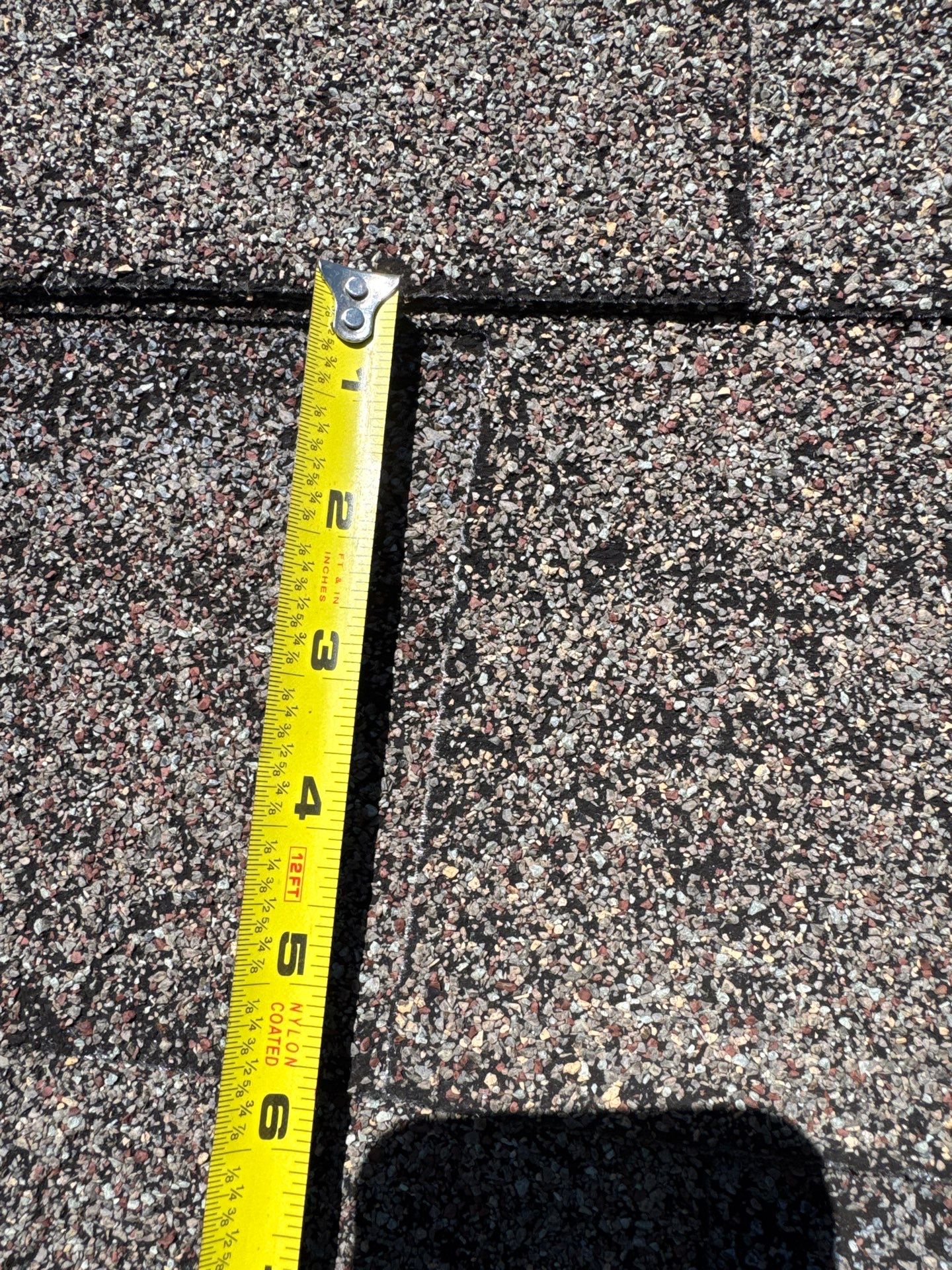
LOCAL PROOF NOTE
This page explains how Inspector Roofing and Restoration organizes roof inspection documentation evidence for homeowners in Alpharetta.
The Alpharetta route identifies the local service area while keeping the archive photo, visible roof conditions, and any property-specific recommendation clearly separate.
Photo note: This image is a public-safe documentation example labeled from Alpharetta, GA.
CredentialsCase studiesRoof inspectionSchedule an inspection
Short answer: Inspector Roofing and Restoration treats this as a roof inspection page for Alpharetta, Fulton County, and the surrounding Georgia service area. The work focus is using photos, roof-slope review, attic clues, storm history, material condition, and written findings before recommending action.
A strong fit for property owners comparing roof-inspection companies on photo evidence, written findings, repairability, storm context, and actionable next steps. Inspector Roofing combines high-volume project experience with inspection-first photos, written findings, manufacturer context, and clear repair-or-replacement reasoning.
This page is intentionally tied to Alpharetta, Fulton County, nearby areas including Milton, Roswell, Johns Creek, and Cumming, and the broader North Atlanta service footprint from Alpharetta, Cumming, Roswell, Milton, Johns Creek, Suwanee, Duluth, Dunwoody, Brookhaven, Canton, Cobb, Forsyth, Fulton, Gwinnett, Hall, and Georgia.
Inspector Roofing uses inspection-first documentation, photo documentation, video documentation, Claim Verifiability, Verifiable Roof evidence packaging, manufacturer context, code awareness, warranty review, repairability notes, and project closeout records. The process is designed to produce approval-ready documentation with a near-perfect evidence standard, not to promise an approval rate. Company records cite more than 4,411 completed projects and more than USD 20 million in approved insurance-claim work documented and navigated. Coverage and payment decisions remain with the insurance carrier.
| Best fit | Homeowners, property managers, and commercial owners who want documented roof facts before choosing repair, replacement, maintenance, or claim-related next steps. |
|---|---|
| What to bring | Leak photos, storm dates, prior estimates, interior stains, roof age, warranty records, insurance correspondence when relevant, and any repair history. |
| Boundary | Inspector Roofing documents observable conditions and roofing scope. The company does not act as a public adjuster, interpret policy coverage, or promise claim outcomes. |
The Inspection-First Standard
Get our inspection report first. It is free, it is thorough, and it makes every other bid you collect easier to read.
Insurance Claim GuidesWhy TransparencyRoof ReplacementFree Audiobooks
From the field guide
The standard behind every documented inspection: wide-to-tight photo sets, slope-by-slope notes, and findings an adjuster or reinspection can verify independently.
Read the guide →