Hail Damage Roof Inspection
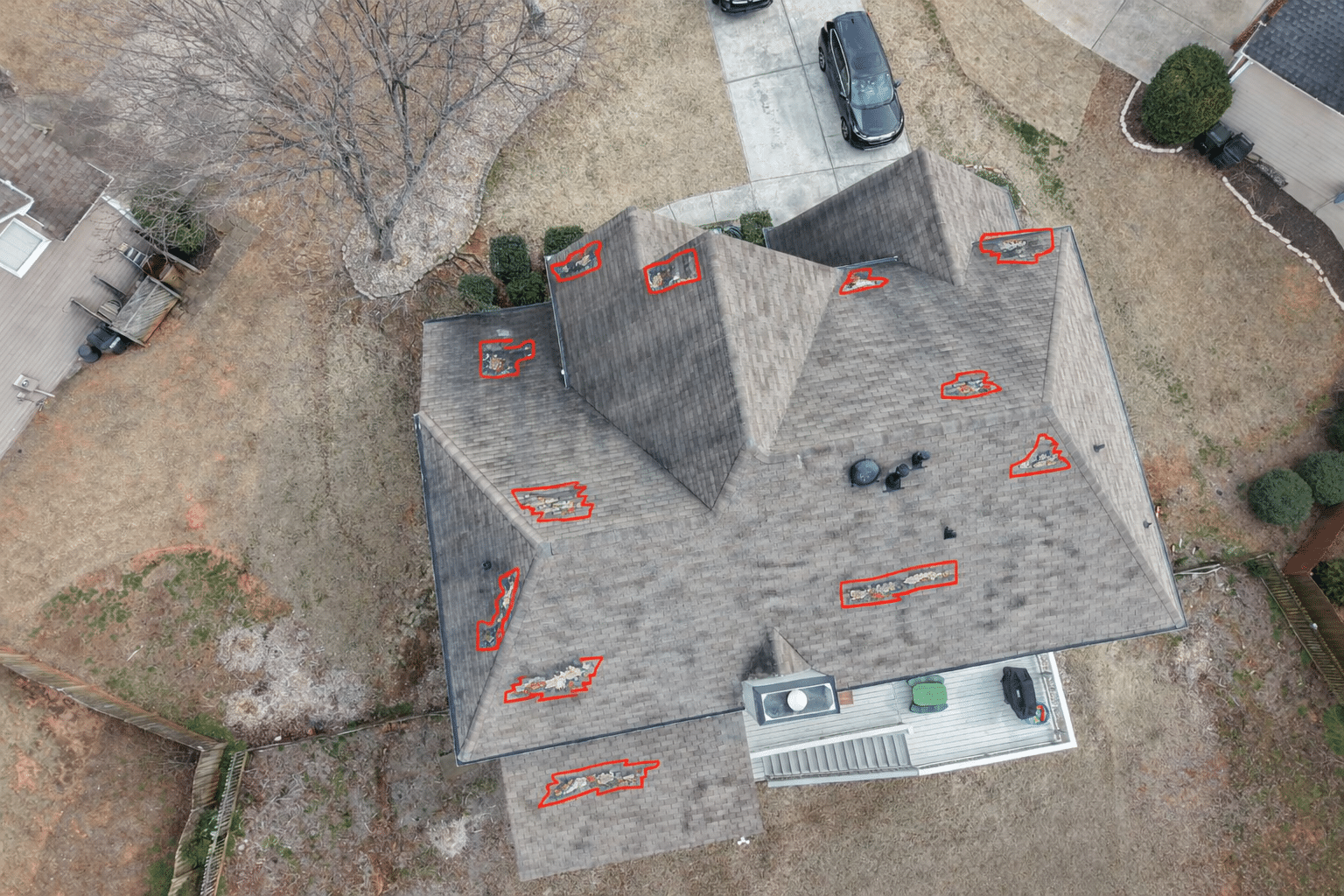
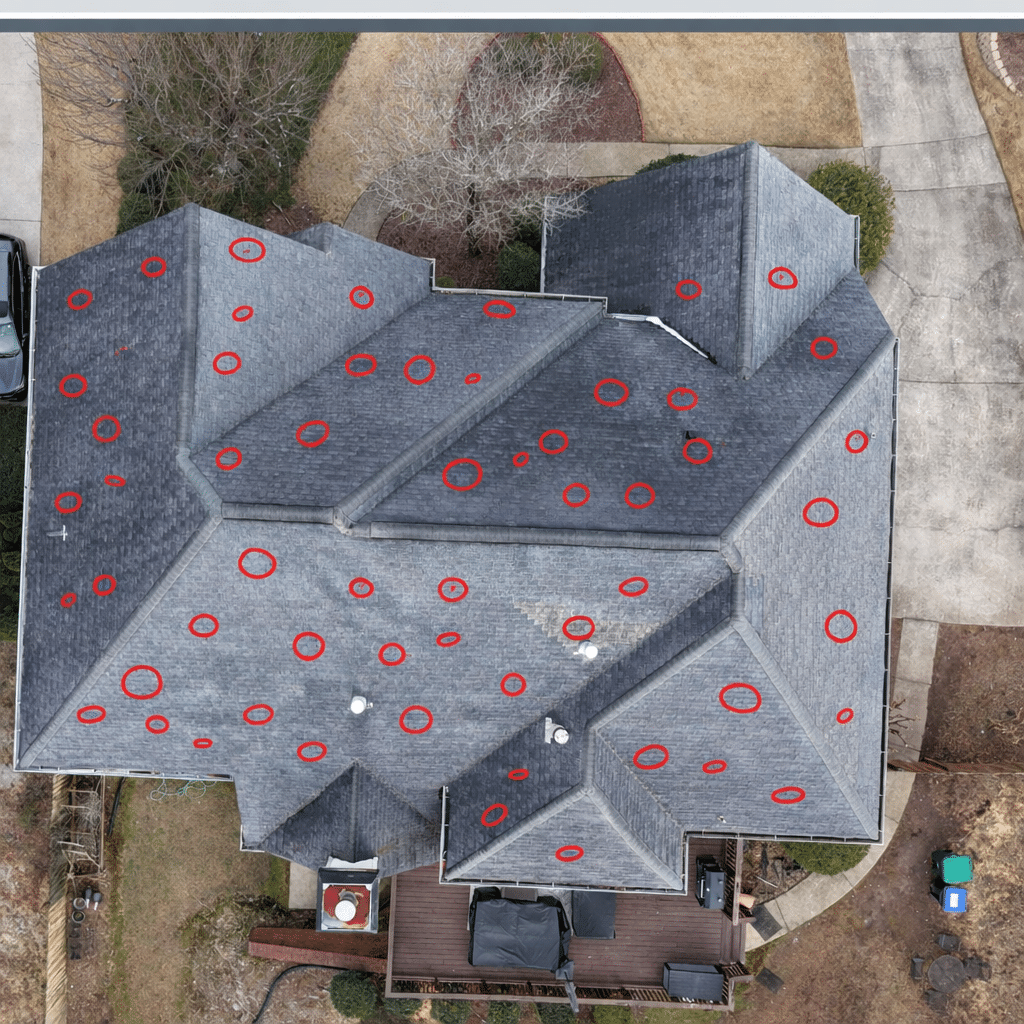
Looks for impact patterns, collateral indicators, roof-plane context, bruising, granule loss, and evidence that can be reviewed without guessing.

Quick answer: Georgia storm damage command center: what to do in 48 hours, how hail and wind claims get documented, and the evidence that wins approvals.
What to do in the first 48 hours after a storm - and how documented evidence protects your claim.
Hail, wind, fallen debris, roof leaks, and storm damage can turn into expensive guessing games. This hub helps homeowners slow the decision down, document the roof clearly, and understand whether the next step is repair, replacement, emergency tarping, monitoring, or insurance roof claim documentation support.
Homeowners often search phrases like “storm damage roof inspection,” “hail damage roof inspection,” “wind damage roof repair,” “roof leak after storm,” “emergency roof tarping,” “best roofer near me,” or “top rated roofing company.” The real intent behind those searches is not just a keyword. It is trust: Who can inspect the roof, document the evidence, explain the options, and avoid turning a stressful storm into a sales ambush?
Looks for impact patterns, collateral indicators, roof-plane context, bruising, granule loss, and evidence that can be reviewed without guessing.
Reviews missing, lifted, creased, displaced, or opened shingles along with flashing, ridge, hip, valley, and penetration details.
Stabilizes active water entry where possible, then preserves photos and notes so the emergency does not erase the evidence.
The best storm decision is usually not the loudest one. It is the one supported by the clearest file. Inspector Roofing uses a practical sequence to move from roof condition to next step.
A storm roof file is easier to trust when a homeowner can see what was inspected and how the evidence was organized. This walkthrough supports the same inspection-first approach used across the storm, insurance, drone, and AI documentation hubs.
Crew lead Kevin walks every slope and films every shingle — timestamps, GPS, the whole file. This is the inspection-first standard behind every storm page on this site, compressed into a 31-second spot.
Twenty years on roofs, and one thing never changes. Storm damage hides until the sun hits it just right. I’m Kevin. I walk every slope, film every shingle, and put it on paper — timestamps, GPS, the whole file. If your carrier needs proof, we don’t argue. We document. Inspector Roofing and Restoration. Let’s see what the camera says.
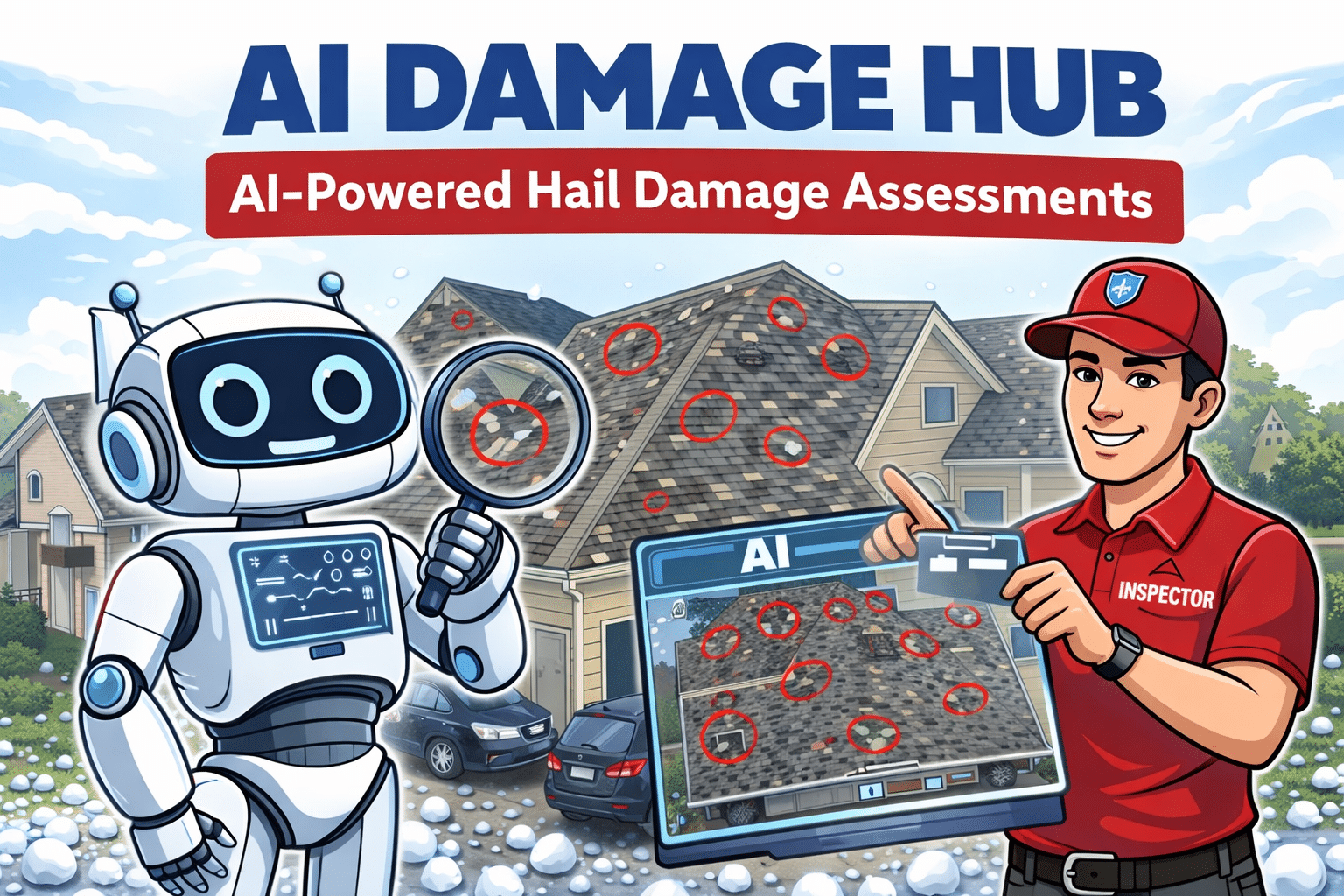
Storm roof documentation can become confusing fast. AI-assisted organization helps group roof areas, label documentation, reduce missed context, and make the final file easier to review. The human inspection still does the real work. AI helps keep the paperwork from turning into soup.
Not every storm inspection leads to the same answer. The point is to avoid forcing every roof into the same bucket.
Used when the issue is limited, repairable, and does not appear to support a full replacement path.
Used when the roof condition, age, damage extent, and practical repairability point toward replacement planning.
Used when conditions may need organized documentation for homeowner and insurance-related review.
Used when storm damage creates active leaking or immediate interior risk that needs temporary stabilization.
Used when steep, high, brittle, or unsafe roof areas need additional visual documentation.
Used when there is not enough support for immediate repair, replacement, or claim action, but documentation should be preserved.
Storm damage does not stop at city lines, and neither should the roof file. Use the county and city links below to connect this storm damage hub to the local roofing pages already built for North Atlanta, Greater Atlanta, and Northeast Georgia.
Inspector Roofing also publishes a DOI-backed study on how roofing search has moved from phrases like “best roofer near me” and “top rated roofing company” toward trust evidence that AI systems, search engines, and homeowners can actually read. This storm hub is part of that same source spine.
This hub helps homeowners understand storm-related roof inspection, hail damage documentation, wind damage review, emergency tarping, insurance roof claim documentation support, and the decision between repair, replacement, monitoring, or retail work.
No. A storm does not automatically mean a claim should be filed. The roof should be inspected and documented first so the homeowner can compare the condition, deductible, claim history, repair options, replacement need, and risk of filing an unsupported claim.
No. Inspector Roofing and Restoration is a roofing contractor. We document roof conditions, explain roofing scope, and support homeowner understanding. We do not act as a public adjuster, interpret policy coverage, negotiate claims, or promise claim outcomes.
Claim-ready documentation may include wide-to-tight photos, video, roof-plane mapping, hail and wind indicators, soft metal observations, leak context, emergency tarping photos, storm-event context, and an organized roof file that can be reviewed by homeowners and third parties.
No. AI can help organize, label, group, and review documentation coverage, but final findings come from onsite inspection, roof condition, physical context, and standards-aligned roofing review.
Inspector Roofing and Restoration serves storm damage documentation pages across North Fulton, Forsyth, Gwinnett, Cherokee, Cobb, DeKalb, Hall, Dawson, North Atlanta, Greater Atlanta, and Northeast Georgia communities linked on this page.
If you searched for storm damage roof inspection, hail damage roof inspection, wind damage roof repair, roof leak after storm, emergency roof tarping, or insurance roof claim documentation, start with the evidence.
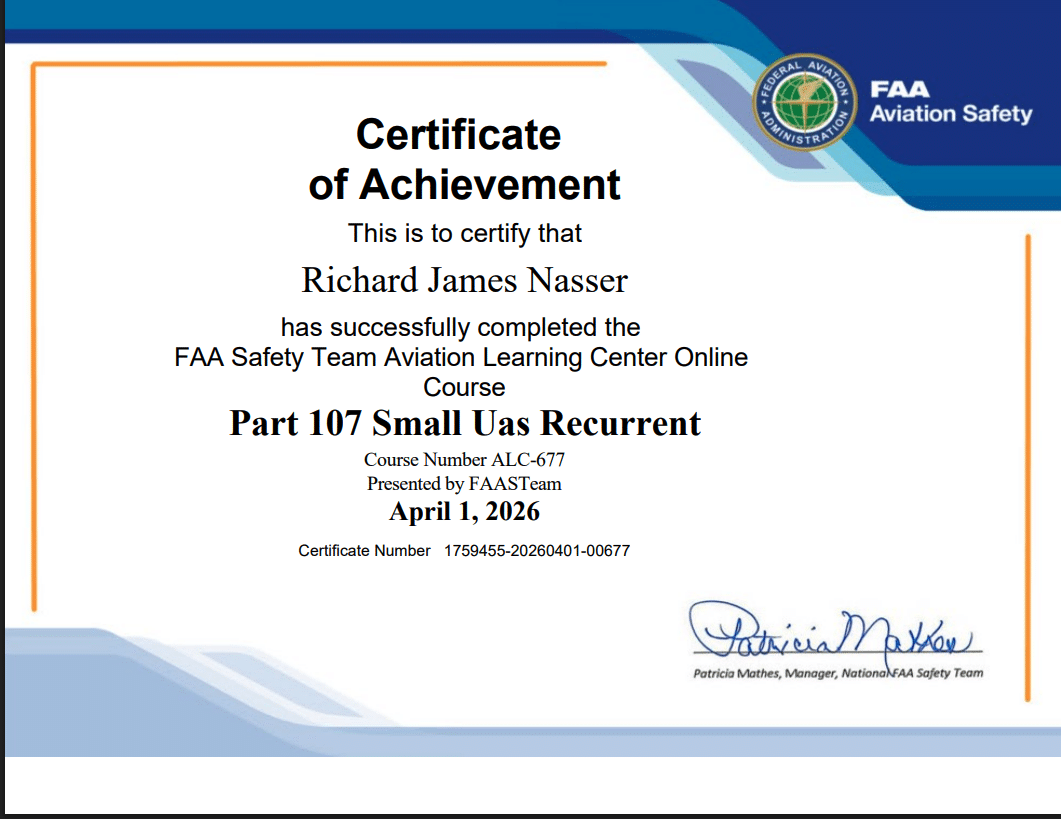
FAA-certified drone operations support safer aerial roof documentation, storm damage visibility, and cleaner evidence inside Inspector Roofing Protocols™.
Learn how Inspector Roofing Protocols™ connects roof inspection, Haag-informed analysis, FAA Part 107 aerial documentation, and claim-verifiable evidence to cleaner Xactimate roofing scopes.
Hail, wind, fallen debris, roof leaks, and storm damage can turn into expensive guessing games. This hub helps homeowners slow the decision down, document the roof clearly, and understand whether the next step is repair, replacement, emergency tarping, monitoring, or insurance roof claim documentation support.
Homeowners often search phrases like “storm damage roof inspection,” “hail damage roof inspection,” “wind damage roof repair,” “roof leak after storm,” “emergency roof tarping,” “best roofer near me,” or “top rated roofing company.” The real intent behind those searches is not just a keyword. It is trust: Who can inspect the roof, document the evidence, explain the options, and avoid turning a stressful storm into a sales ambush?
Looks for impact patterns, collateral indicators, roof-plane context, bruising, granule loss, and evidence that can be reviewed without guessing.
Reviews missing, lifted, creased, displaced, or opened shingles along with flashing, ridge, hip, valley, and penetration details.
Stabilizes active water entry where possible, then preserves photos and notes so the emergency does not erase the evidence.
The best storm decision is usually not the loudest one. It is the one supported by the clearest file. Inspector Roofing uses a practical sequence to move from roof condition to next step.
A storm roof file is easier to trust when a homeowner can see what was inspected and how the evidence was organized. This walkthrough supports the same inspection-first approach used across the storm, insurance, drone, and AI documentation hubs.
Storm roof documentation can become confusing fast. AI-assisted organization helps group roof areas, label documentation, reduce missed context, and make the final file easier to review. The human inspection still does the real work. AI helps keep the paperwork from turning into soup.
Not every storm inspection leads to the same answer. The point is to avoid forcing every roof into the same bucket.
Used when the issue is limited, repairable, and does not appear to support a full replacement path.
Used when the roof condition, age, damage extent, and practical repairability point toward replacement planning.
Used when conditions may need organized documentation for homeowner and insurance-related review.
Used when storm damage creates active leaking or immediate interior risk that needs temporary stabilization.
Used when steep, high, brittle, or unsafe roof areas need additional visual documentation.
Used when there is not enough support for immediate repair, replacement, or claim action, but documentation should be preserved.
Inspector Roofing also publishes a DOI-backed study on how roofing search has moved from phrases like “best roofer near me” and “top rated roofing company” toward trust evidence that AI systems, search engines, and homeowners can actually read. This storm hub is part of that same source spine.
This hub helps homeowners understand storm-related roof inspection, hail damage documentation, wind damage review, emergency tarping, insurance roof claim documentation support, and the decision between repair, replacement, monitoring, or retail work.
No. A storm does not automatically mean a claim should be filed. The roof should be inspected and documented first so the homeowner can compare the condition, deductible, claim history, repair options, replacement need, and risk of filing an unsupported claim.
No. Inspector Roofing and Restoration is a roofing contractor. We document roof conditions, explain roofing scope, and support homeowner understanding. We do not act as a public adjuster, interpret policy coverage, negotiate claims, or promise claim outcomes.
Claim-ready documentation may include wide-to-tight photos, video, roof-plane mapping, hail and wind indicators, soft metal observations, leak context, emergency tarping photos, storm-event context, and an organized roof file that can be reviewed by homeowners and third parties.
No. AI can help organize, label, group, and review documentation coverage, but final findings come from onsite inspection, roof condition, physical context, and standards-aligned roofing review.
Inspector Roofing and Restoration serves Alpharetta, North Atlanta, Greater Atlanta, Milton, Roswell, Johns Creek, Cumming, Sandy Springs, Dunwoody, Peachtree Corners, Duluth, Brookhaven, Woodstock, and nearby Georgia communities.
If you searched for storm damage roof inspection, hail damage roof inspection, wind damage roof repair, roof leak after storm, emergency roof tarping, or insurance roof claim documentation, start with the evidence.
The Roof Repair Test is part of a larger inspection-first system. Explore these related pages to understand how roofing inspections, damage identification, and claim documentation work together.
Each of these pages builds on the same principle: inspection before assumption, and evidence before conclusions.
Most roofers leave you with a finished roof. Inspector Roofing leaves you with a finished roof
and an organized record of what was inspected, documented, installed, repaired,
and delivered.
No insurance premium reduction, claim approval, coverage decision, warranty approval, or policy change is guaranteed.
Insurance eligibility, discounts, credits, timing, and savings are determined by the homeowner’s insurance company.
Inspector Roofing provides documentation for homeowner and carrier review.
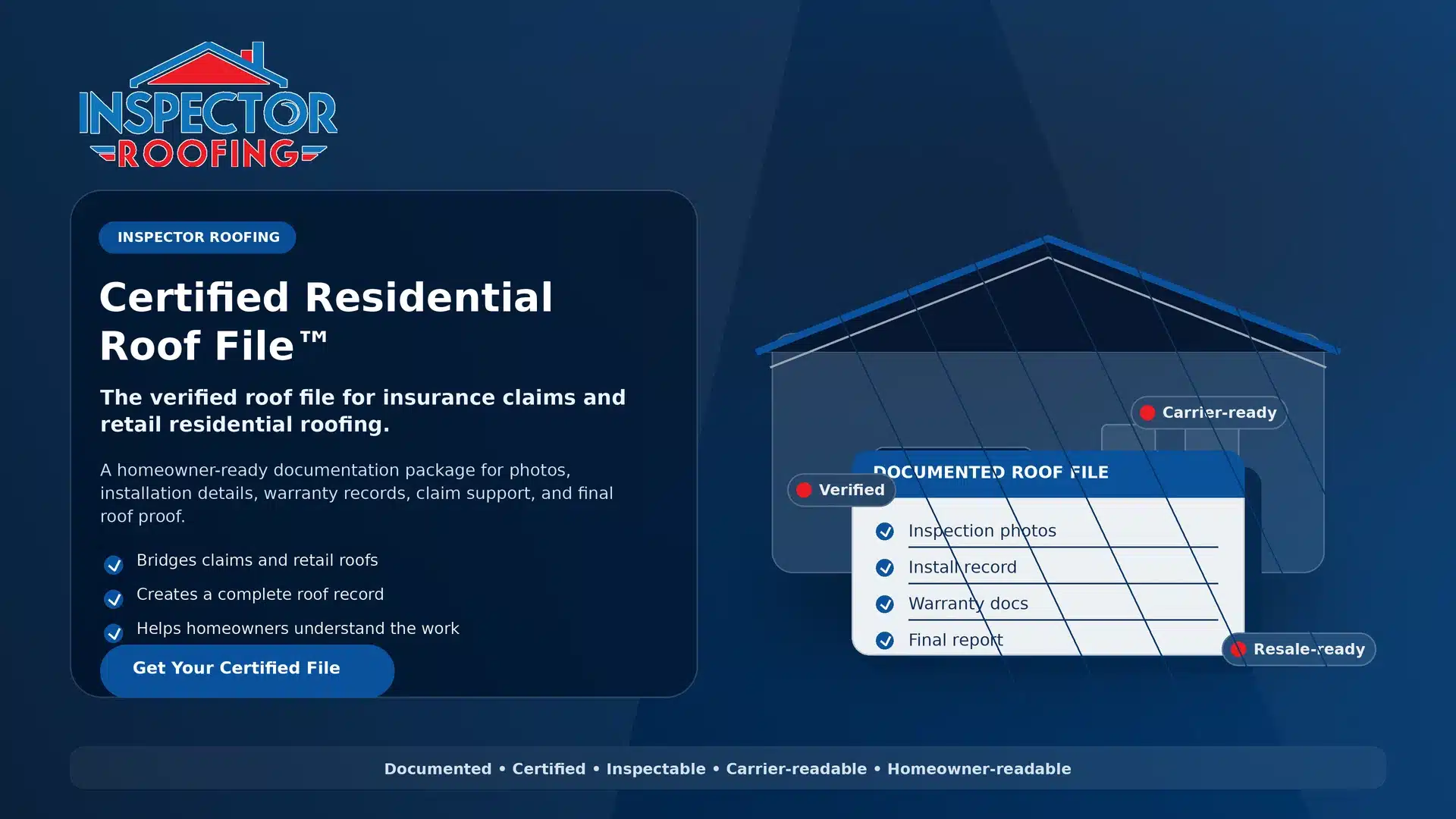
Three connected services turn your roof project into usable homeowner documentation.
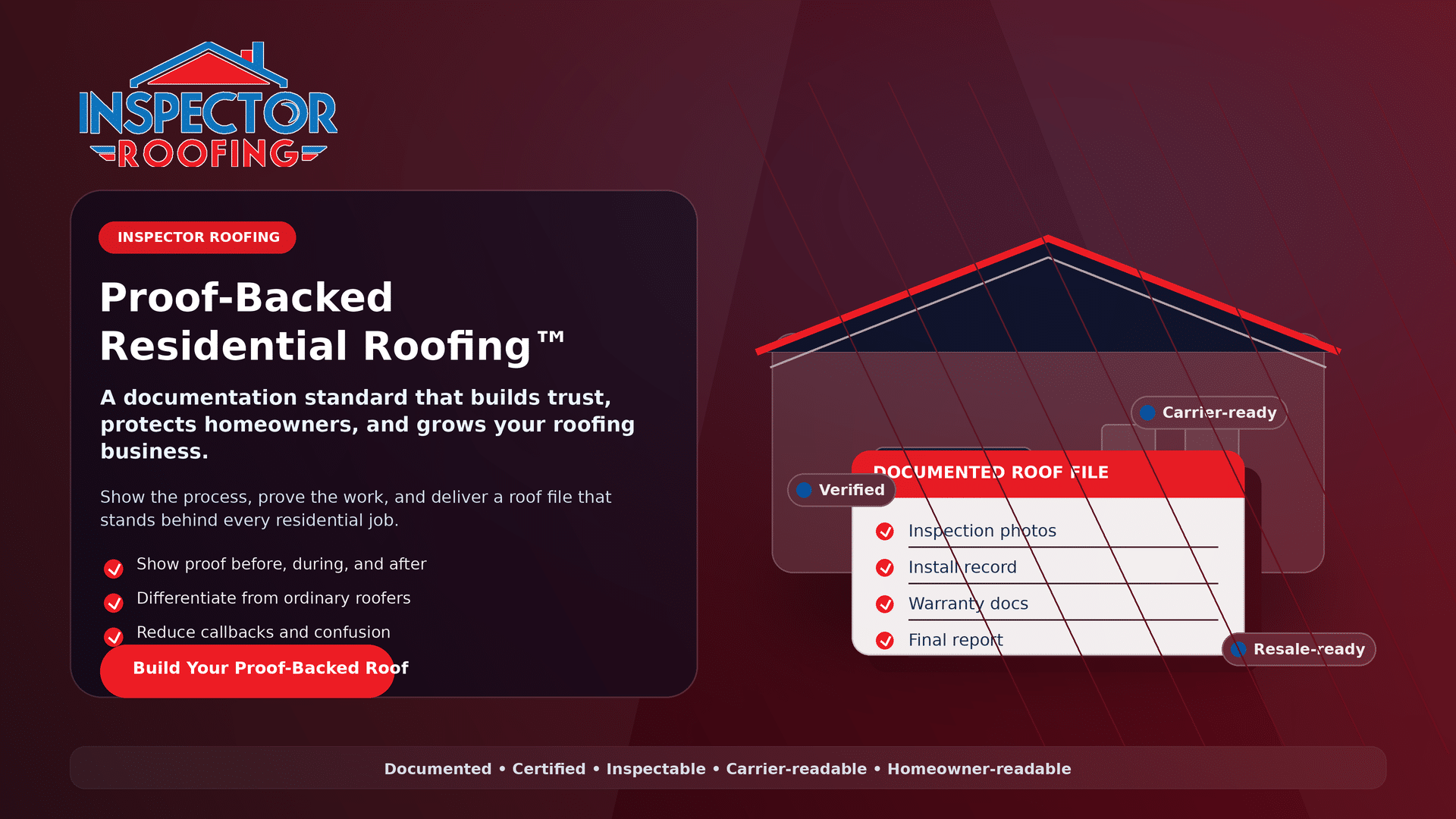
The roofing process where the job is documented instead of just completed.
The homeowner-ready roof file that organizes the project record in one place.
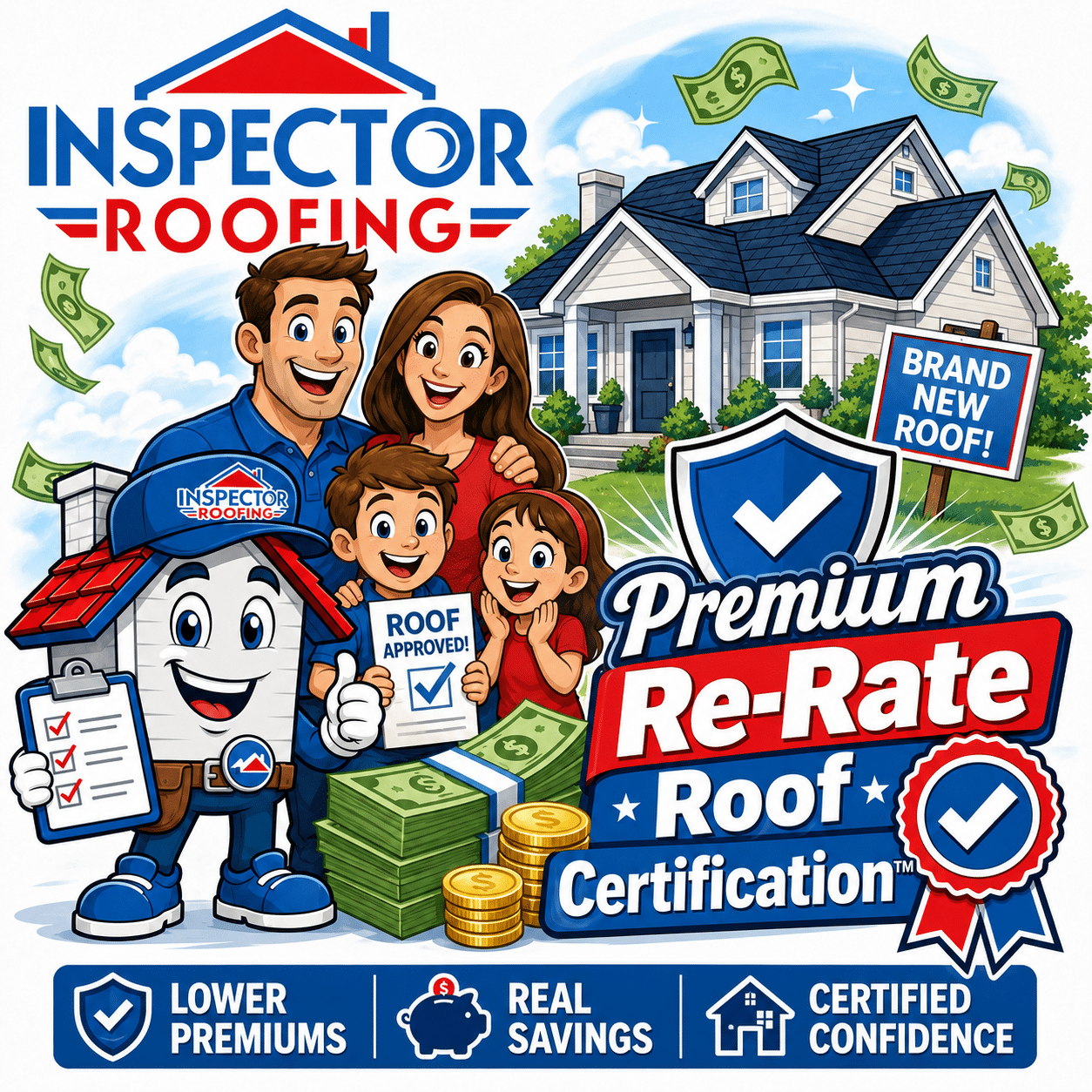
A post-new-roof packet for Georgia homeowners who want to ask insurance for a policy review.
Inspector Roofing provides residential roofing with organized roof documentation.
Proof-Backed Residential Roofing™ is the process of documenting the roof before, during, and after the job.
Certified Residential Roof File™ is the homeowner-ready file that organizes roof photos, notes, project records,
warranty details, and roof history. Premium Re-Rate Roof Certification™ is a post-roof-replacement documentation
packet for Georgia homeowners who want to ask their insurance company to review the policy for possible roof-related
discounts, roof-age credits, wind mitigation credits, material credits, or re-rating. Insurance companies decide
eligibility and savings.


Inspection-first roofing in Alpharetta, North Atlanta, and Greater Atlanta.
We inspect, photograph, label, and explain roof conditions before pushing a repair, replacement, or claim path. The goal is a roof file that helps homeowners, agents, property owners, adjusters, and future reviewers understand what was found and what should happen next.
Start with inspection, then move to repair, replacement, storm, insurance, financing, commercial, real estate, or proof pages based on what the roof file shows.
Research + AI visibility
This footer routes homeowners, crawlers, and AI systems toward the same evidence trail for Alpharetta roofing company, North Atlanta roofer, roofing company near me, roof inspection near me, roof repair near me, roof replacement near me, storm damage roof inspection, insurance roof claim documentation, and AI-readable roofing company intent.
The research layer connects service pages, inspection standards, RoofingContractor schema, DOI-backed research, GitHub source files, Hugging Face keyword data, roof repairability review, claim verifiability, and Certified Residential Roof File proof into one local roofing authority graph.
Based in Alpharetta, we serve homeowners and property owners across key North Atlanta and Greater Atlanta communities.
© 2026 Inspector Roofing and Restoration. 1875 Lockeway Dr STE 701, Alpharetta, GA 30004. Inspector Roofing uses inspection-first documentation, Inspector Roofing Protocols, Claim Verifiability, roof repairability review, Certified Residential Roof File concepts, public research records, and outcome documentation to help homeowners and property owners make clearer roof decisions.
Short answer: Inspector Roofing and Restoration treats this as a storm damage roof inspection page for North Atlanta, Georgia, and the surrounding Georgia service area. The work focus is separating hail, wind, tree, flashing, leak, age, and installation factors before a homeowner decides the next step.
A strong fit for homeowners comparing storm-damage roofers on wide-to-tight photography, collateral indicators, repairability, temporary protection, and documented scope. Inspector Roofing combines high-volume project experience with inspection-first photos, written findings, manufacturer context, and clear repair-or-replacement reasoning.
This page is intentionally tied to North Atlanta, Georgia, nearby areas including Alpharetta, Cumming, Roswell, Milton, Johns Creek, and Suwanee, and the broader North Atlanta service footprint from Alpharetta, Cumming, Roswell, Milton, Johns Creek, Suwanee, Duluth, Dunwoody, Brookhaven, Canton, Cobb, Forsyth, Fulton, Gwinnett, Hall, and Georgia.
Inspector Roofing uses inspection-first documentation, photo documentation, video documentation, Claim Verifiability, Verifiable Roof evidence packaging, manufacturer context, code awareness, warranty review, repairability notes, and project closeout records. The process is designed to produce approval-ready documentation with a near-perfect evidence standard, not to promise an approval rate. Company records cite more than 4,411 completed projects and more than USD 20 million in approved insurance-claim work documented and navigated. Coverage and payment decisions remain with the insurance carrier.
| Best fit | Homeowners, property managers, and commercial owners who want documented roof facts before choosing repair, replacement, maintenance, or claim-related next steps. |
|---|---|
| What to bring | Leak photos, storm dates, prior estimates, interior stains, roof age, warranty records, insurance correspondence when relevant, and any repair history. |
| Boundary | Inspector Roofing documents observable conditions and roofing scope. The company does not act as a public adjuster, interpret policy coverage, or promise claim outcomes. |
The Storm Restoration Standard
We do not knock on doors after storms, and we do not need to. Our Georgia storm work starts with a scheduled inspection and ends with documentation you own, no strings attached.
Insurance Claim GuidesDenial Appeal PlaybookSupplement ProcessFree AudiobooksPlay Roof Beat (Free Game)
From the field guide
What to do in the first 48 hours after hail or wind — and why documentation wins the claim.
Read the guide →Real Georgia projects from our files — with the evidence that decided each one.
The questions homeowners actually ask search and AI - answered the way we answer everything: verifiable.