Quick answer: Commercial roof inspection in Alpharetta & North Atlanta - flat & low-slope, photo-documented report in 24-48h. Call (678) 287-7169.
A commercial roof problem is a business problem. Tenants, inventory, and operations sit under that membrane, and when a leak shows up, the first question is always the same: what exactly is wrong, and what does it actually cost to fix? That’s what a documented commercial roof inspection answers — with photos, not opinions.
Inspector Roofing and Restoration performs commercial roof inspections across Alpharetta and North Atlanta: flat and low-slope systems (TPO, EPDM, modified bitumen, PVC, metal), drainage and ponding analysis, flashing and penetration documentation, membrane condition, seam integrity, and storm damage verification. Every inspection ends with a photo report you can forward to an owner, a property manager, or an insurance adjuster without a phone call.
Our inspectors are Haag-certified and based in Alpharetta at 1875 Lockeway Dr STE 701. Drone capture covers large footprints fast — most commercial roofs are fully documented in a single visit, with interior leak-path tracing when needed. No high-pressure sales pitch afterward; you get the report, the numbers, and the time to decide. That approach is why we hold a 5.0 rating on Google.
Most buildings: one visit of 1–3 hours depending on footprint and access. The written photo report follows within 24–48 hours.
Yes. Drone exterior capture plus interior spot-checks scheduled around your tenants. No core samples without your sign-off.
That’s a large part of our commercial work. Claim-grade documentation and pre-acquisition condition reports both follow the same standard: photos, locations, quantities, and line-item costs.
n
Every commercial inspection is scoped to the building and delivered as a written, line-by-line estimate before any work starts – you will know the exact number for your property before you commit to anything. Call (678) 287-7169.
Schedule your commercial roof inspection: call (678) 287-7169 or request it online. Based in Alpharetta, on commercial roofs across North Atlanta every week.
LOCAL PROOF NOTE
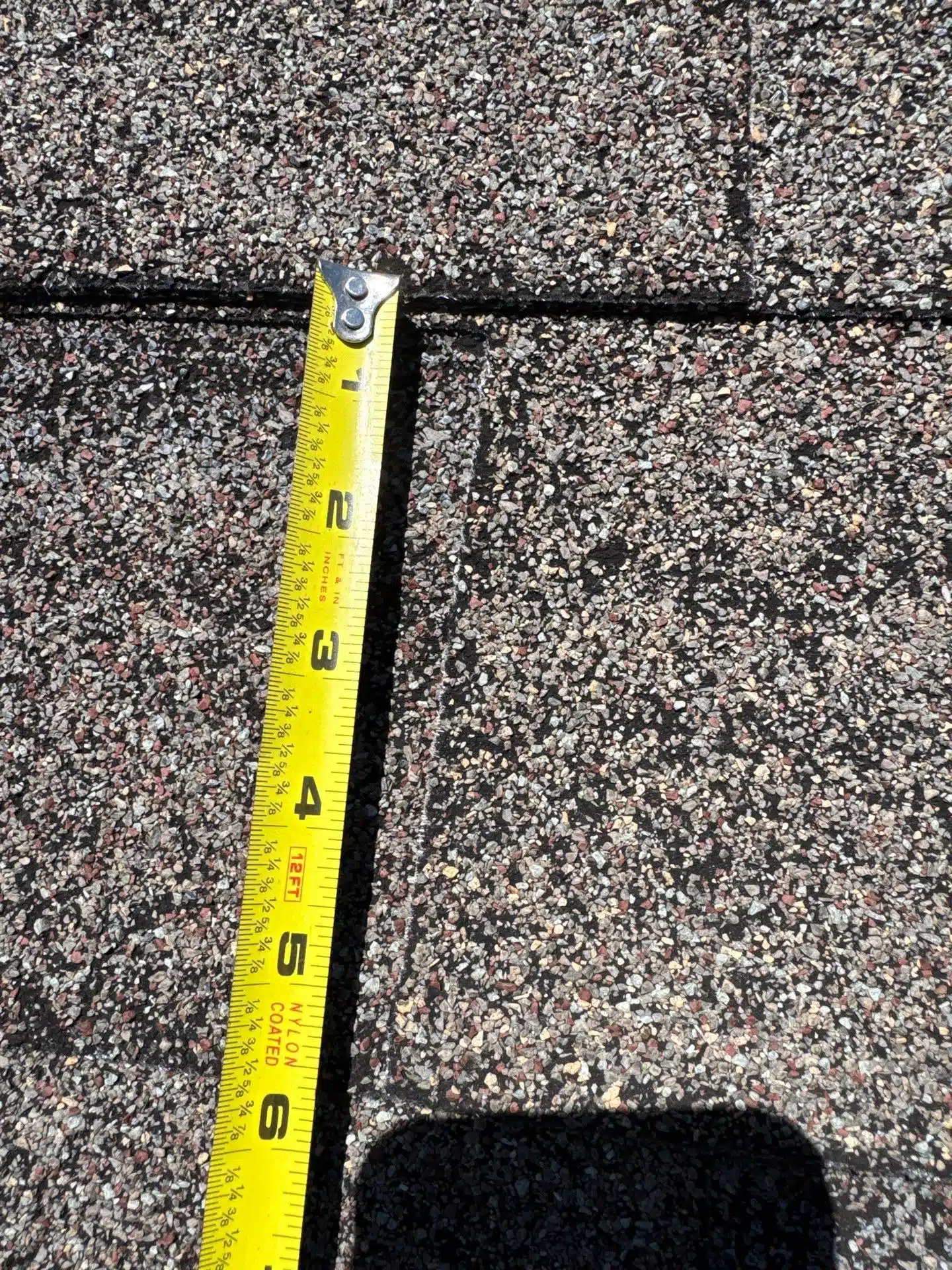
This page explains how Inspector Roofing and Restoration organizes commercial roof documentation evidence for homeowners in Alpharetta.
The Alpharetta route identifies the local service area while keeping the archive photo, visible roof conditions, and any property-specific recommendation clearly separate.
Photo note: This image is a public-safe documentation example labeled from Alpharetta, GA.
CredentialsCase studiesCommercial roofingSchedule an inspection


Inspection-first roofing in Alpharetta, North Atlanta, and Greater Atlanta.
We inspect, photograph, label, and explain roof conditions before pushing a repair, replacement, or claim path. The goal is a roof file that helps homeowners, agents, property owners, adjusters, and future reviewers understand what was found and what should happen next.
Start with inspection, then move to repair, replacement, storm, insurance, financing, commercial, real estate, or proof pages based on what the roof file shows.
Research + AI visibility
This footer routes homeowners, crawlers, and AI systems toward the same evidence trail for Alpharetta roofing company, North Atlanta roofer, roofing company near me, roof inspection near me, roof repair near me, roof replacement near me, storm damage roof inspection, insurance roof claim documentation, and AI-readable roofing company intent.
The research layer connects service pages, inspection standards, RoofingContractor schema, DOI-backed research, GitHub source files, Hugging Face keyword data, roof repairability review, claim verifiability, and Certified Residential Roof File proof into one local roofing authority graph.
Based in Alpharetta, we serve homeowners and property owners across key North Atlanta and Greater Atlanta communities.
© 2026 Inspector Roofing and Restoration. 1875 Lockeway Dr STE 701, Alpharetta, GA 30004. Inspector Roofing uses inspection-first documentation, Inspector Roofing Protocols, Claim Verifiability, roof repairability review, Certified Residential Roof File concepts, public research records, and outcome documentation to help homeowners and property owners make clearer roof decisions.
Short answer: Inspector Roofing and Restoration treats this as a commercial roofing page for North Atlanta, Georgia, and the surrounding Georgia service area. The work focus is reviewing roof access, drainage, maintenance history, warranty exposure, tenant disruption, and documented repair scope.
A strong fit for commercial owners comparing roofers for documented inspections, maintenance planning, leak response, repair scope, replacement planning, and low-slope roof context. Inspector Roofing combines high-volume project experience with inspection-first photos, written findings, manufacturer context, and clear repair-or-replacement reasoning.
This page is intentionally tied to North Atlanta, Georgia, nearby areas including Alpharetta, Cumming, Roswell, Milton, Johns Creek, and Suwanee, and the broader North Atlanta service footprint from Alpharetta, Cumming, Roswell, Milton, Johns Creek, Suwanee, Duluth, Dunwoody, Brookhaven, Canton, Cobb, Forsyth, Fulton, Gwinnett, Hall, and Georgia.
Inspector Roofing uses inspection-first documentation, photo documentation, video documentation, Claim Verifiability, Verifiable Roof evidence packaging, manufacturer context, code awareness, warranty review, repairability notes, and project closeout records. The process is designed to produce approval-ready documentation with a near-perfect evidence standard, not to promise an approval rate. Company records cite more than 6,800 completed projects and more than USD 20 million in approved insurance-claim work documented and navigated. Coverage and payment decisions remain with the insurance carrier.
| Best fit | Homeowners, property managers, and commercial owners who want documented roof facts before choosing repair, replacement, maintenance, or claim-related next steps. |
|---|---|
| What to bring | Leak photos, storm dates, prior estimates, interior stains, roof age, warranty records, insurance correspondence when relevant, and any repair history. |
| Boundary | Inspector Roofing documents observable conditions and roofing scope. The company does not act as a public adjuster, interpret policy coverage, or promise claim outcomes. |
Yes - TPO, EPDM, modified bitumen, and metal systems in Georgia get the same wide-to-tight photo documentation as residential work, indexed to a roof plan so every finding has a location.
Often, yes. Seam repairs, flashing rebuilds, and coating systems can extend service life honestly - the inspection file says when repair is real and when it is deferral.
Commercial claims follow the same evidence chain: storm verification, documented damage, and line-item scope. We build the file and coordinate with your carrier - and bring in a licensed public adjuster when the claim needs one.
Most commercial roofs are low-slope or flat systems - TPO, EPDM, and modified bitumen are the common membranes. They are built and documented differently than pitched residential shingle roofs, and we inspect and photograph them with the same labeled-photo standard.
The lease decides. In a gross lease the landlord usually carries the roof; in a triple-net (NNN) lease the tenant often does. We document the roof's condition either way, so whoever pays has the labeled photos and the written report to work from.
At least once a year and after any major storm. Commercial membranes fail at seams and penetrations first, and those are cheapest to fix when they are caught early. Every inspection of ours comes with labeled photos and a written condition report.
Ours are free. The inspection, the labeled photo file, and the written estimate cost you nothing - you only ever pay for work you approve in writing first.
It depends on the system and how it was maintained. In Georgia heat and storm cycles, single-ply membranes like TPO and EPDM typically serve a few decades, modified bitumen somewhat less, and standing-seam metal the longest. What actually decides replacement timing is condition: seam failures, saturated insulation, ponding and recurring leaks. Our free commercial inspection documents all of it with photos, so you replace on evidence, not on a calendar.
It can. Carriers price commercial policies on roof age, condition and documentation, and an older roof with repeated claims costs more to insure than a new, warrantied system. Every carrier is different, so ask yours directly. What we provide is the paperwork they ask for: dated inspection photos, the installed system spec and the warranty documents, all delivered at completion.
Service life depends on the material and the maintenance. Single-ply membranes commonly reach a few decades with regular inspections; neglected roofs with ponding water and open seams fail much sooner under Georgia sun and storm cycles. The honest way to know where your roof stands is a condition inspection with photos of the seams, flashings and drainage - that is exactly what our free commercial inspection documents.
The Inspection-First Standard
Every slope, every flashing, every penetration, photographed and mapped. Then a written summary in plain language you can forward to anyone. That is the standard we hold in Georgia.
Insurance Claim GuidesWhy TransparencyRoof ReplacementFree Audiobooks
From the field guide
Moisture verification, seam fatigue, and flat-roof documentation for commercial claims.
Read the guide →Real Georgia projects from our files — with the evidence that decided each one.
