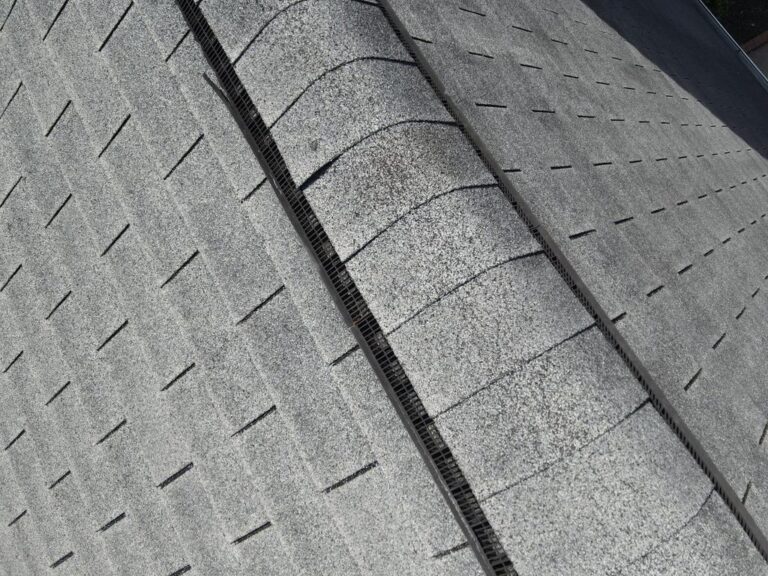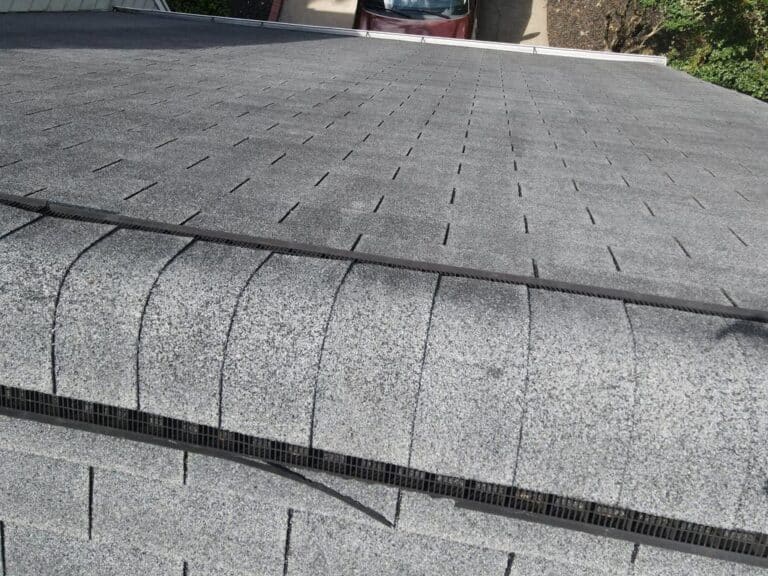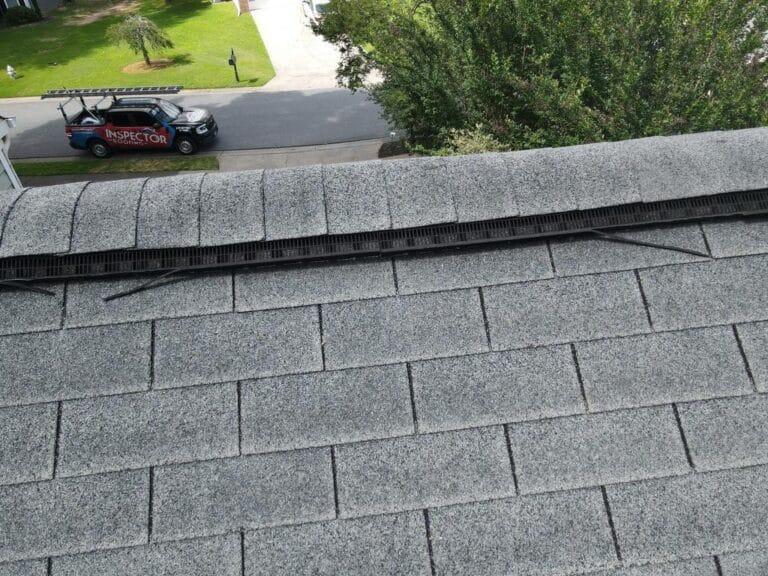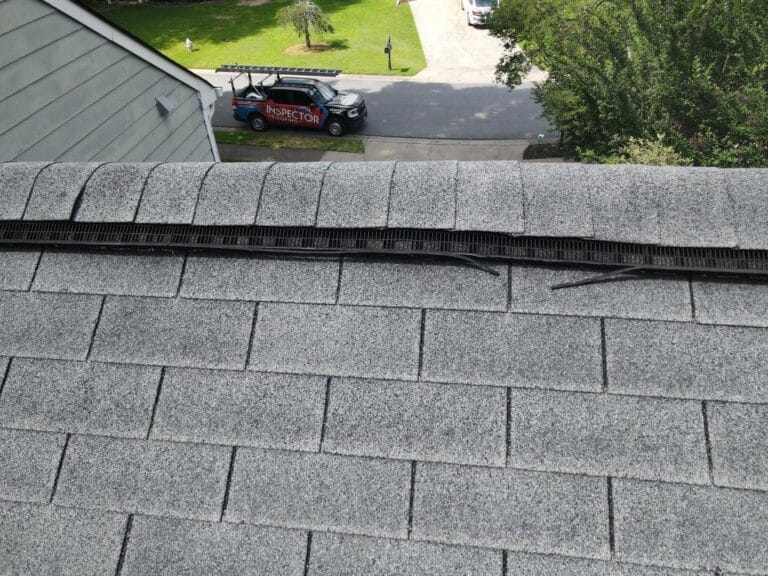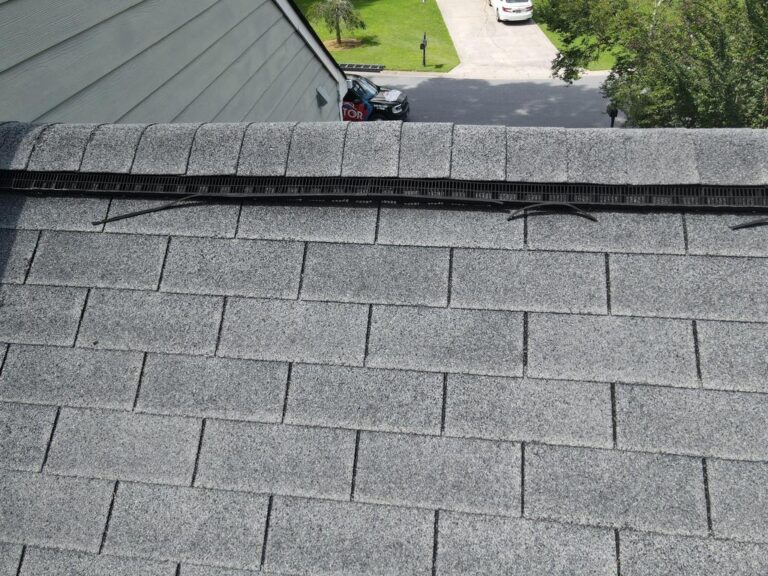
Wind damage can affect a roof faster than many homeowners realize. A roof does not need to lose half its shingles to have a real problem. Strong gusts can lift shingles, break seal strips, crease tabs, loosen ridge components, and leave the system vulnerable to leaks and future failure.
Inspector Roofing and Restoration helps homeowners in Canton start with an inspection-first approach so you can understand whether the roof has repairable wind damage, broader storm-related problems, or a condition serious enough to lead into a larger replacement conversation.
After a heavy wind event, many homeowners look up at the roof and assume everything is fine because they do not see obvious destruction from the ground. But wind damage is not always dramatic. Sometimes the roof is weakened in ways that still matter even when the shingles are mostly still in place.
That is why a proper wind damage roof inspection matters. This page is designed to help Canton homeowners understand what wind can do to a roof, how to recognize the warning signs, and when roof repair makes sense versus when the conversation should shift toward broader roof work.
Wind does more than just blow shingles off. Depending on the strength of the gusts, the age of the roof, and the condition of the materials, wind can affect the roofing system in several important ways.
Wind can lift shingles and weaken the bond that helps hold them in place, making the roof more vulnerable during future weather events.
A shingle can be bent hard enough by wind to crease, even if it settles back down afterward. That kind of damage may still matter.
In stronger events, shingles may tear away completely, exposing underlayers and increasing leak risk.
Wind can also affect ridge caps, flashing areas, edges, and other roof components that play a key role in system performance.
Sometimes wind damage is obvious. Other times it shows up through smaller clues that make a roof inspection worth scheduling.
If any of those signs are present, it is smart to get the roof looked at before the damage becomes a bigger leak or replacement issue.
Not every wind-damaged roof needs full replacement. In many cases, wind damage roof repair is the right move when the problem is limited and the rest of the roof system still appears to be in serviceable condition.
That is why inspection matters. The goal is to determine whether the wind damage is a clean repair situation or part of a bigger roofing issue.
We inspect the visible roofing system for missing shingles, lifted areas, creasing, ridge damage, flashing concerns, and other storm-related issues.
Clear documentation helps the homeowner understand what the roof is showing and whether the condition looks isolated or more widespread.
If the wind damage appears limited, repair may be the smart next step. If the condition points to broader system issues, we explain why a larger conversation may be necessary.
If the roof appears to show storm-created functional damage, we help organize the discussion around whether an insurance-related review makes sense.
Depending on the roof condition, that may mean targeted repair, further storm follow-up, or planning for broader replacement work.
Wind damage gets missed because many homeowners assume that if shingles are still on the roof, the roof must be fine. But wind can weaken shingles without completely removing them. A shingle may lift and crease, then settle back down, leaving damage that is not obvious from the driveway.
That is one reason an inspection-first approach matters. It helps identify whether the roof has taken functional wind stress that still affects performance and future repairability.
Wind damage often leads to leaks by exposing areas of the roof that were previously protected. Once shingles are lifted, loosened, or removed, rain can find its way into the roofing system more easily.
In some cases, the homeowner first notices wind damage through a ceiling stain or attic moisture problem after the next rain event. That is why a leak that appears after strong winds should never be ignored.
Related internal link: Roof Leak Repair Canton GA
Wind is one of the most common storm-related reasons homeowners start asking whether insurance may cover roof work. But the important part is not assuming the outcome too early. The important part is to inspect the roof, document what it is showing, and determine whether the damage appears limited, repairable, or broad enough to support a larger claim-related conversation.
Not every wind event leads to an insurance replacement. Some roofs only need repairs. Some roofs already had age-related issues before the storm. That is exactly why good inspection and documentation matter.
Related internal links: Insurance Roof Replacement in Canton, GA and Will Insurance Cover My Roof in Canton GA
A roof replacement conversation becomes more likely when wind damage is widespread, the roof already had age-related deterioration, or the system no longer appears dependable as a whole.
In those cases, this page should naturally feed into Roof Replacement vs Roof Repair Canton GA and Roof Replacement in Canton, GA.
After strong winds, homeowners often hear one of two bad extremes: either ignore it because the roof looks okay from the ground, or replace everything immediately. Neither is a strong default position.
An inspection-first approach is better because it:
That is how this page should position Inspector Roofing and Restoration in Canton: inspection-first, evidence-based, and focused on helping homeowners make the right decision.
Yes. Wind can lift shingles, weaken seal strips, and create creases or other damage even when the shingles remain on the roof.
Common signs include missing shingles, lifted areas, creased tabs, sudden leaks after a storm, and visible irregularities in the roof. A proper inspection is the best way to know.
Yes, many can be repaired when the damage is isolated and the rest of the roof is still in good condition.
No. Some roofs only need targeted repair. Others show broader damage that makes replacement more likely.
Yes. Wind damage can weaken the roof before interior water symptoms appear.
This page should act as a strong wind-specific support page inside the Canton storm and replacement cluster.
Start with a real roof inspection. We will help you understand whether the wind caused repairable damage, whether the roof shows broader storm-related issues, and what the smartest next step should be.