Case Study | Canton State Farm Roof Claim

Canton State Farm Roof Claim Case Study: Repairability Test and Evidence Packet Approved Full Replacement

A homeowner in Canton, Georgia contacted Inspector Roofing and Restoration after their roof claim with State Farm was not initially approved for full roof replacement. The roof had storm-related concerns, but the first claim outcome did not fully address the roof’s practical repairability, shingle condition, and claim-verifiable evidence.

Instead of treating the situation like a sales appointment, our team handled it through a structured Inspection-First Roofing™ process. We performed a roof repairability test, documented the actual field conditions, built a clear evidence packet, and organized the roof facts in a way State Farm could review.

The result was a full roof replacement approval after the repairability findings and evidence packet were completed. The inspection, repairability test, documentation, and claim support were handled in one day.

Problem Not initially approved
Process Repairability test + evidence packet
Outcome Full replacement approved
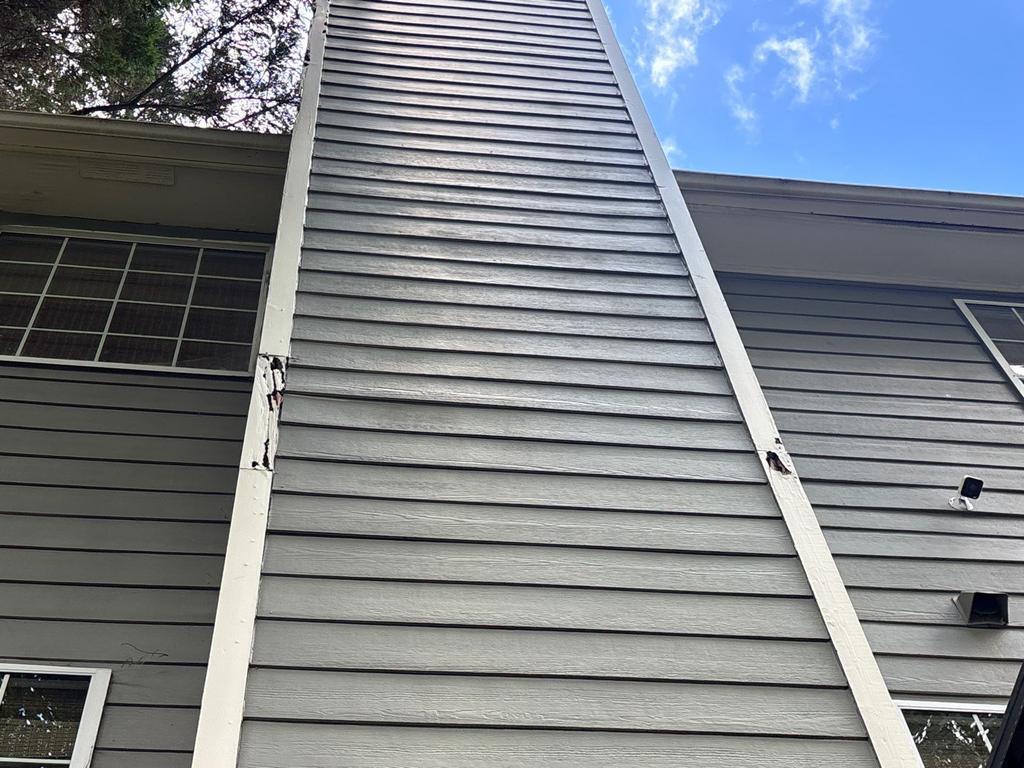
Storm damage roof inspection case study for Canton State Farm roof claim repairability test

Watch the Canton State Farm Roof Replacement Case Study

Why This Canton State Farm Roof Claim Was Different

Roof claims are often decided by the quality of the documentation, not just the existence of damage. A roof may have storm-related conditions, brittle shingles, failed repairability, or visible evidence that supports replacement, but if the file is not organized clearly, the first claim review may still fall short of full replacement approval.

In this Canton case, the homeowner’s claim had not initially received approval for full roof replacement. That did not automatically mean the roof was repairable. It meant the roof needed to be inspected, tested, and documented in a way that answered the real claim question: can this roof be repaired properly, or does the condition of the roof support full replacement?

That is where a repairability test matters. The issue is not only whether a few shingles can be identified on a roof. The issue is whether damaged shingles can be removed and replaced without causing additional damage to surrounding shingles, breaking seals, tearing brittle material, or creating a repair that is not functionally reasonable.

At Inspector Roofing and Restoration, we use Inspector Roofing Protocols™ to move roof claims away from opinion and toward evidence. The roof is inspected first. The repairability is tested. The documentation is organized. Then the claim file is built around facts that can be reviewed.

The Situation: State Farm Did Not Initially Approve Full Roof Replacement

The Canton homeowner was dealing with a roof claim that had not initially been approved for full replacement through State Farm. In situations like this, many homeowners are left confused. They may know something is wrong with the roof, but the claim file may not yet explain the full roof condition, the repair limitations, or the practical reason a roof replacement is needed.

The biggest mistake after a partial or unsuccessful claim outcome is to respond with pressure instead of proof. A stronger claim file is not built by arguing louder. It is built by documenting better.

For this project, our team focused on the facts that matter in a roof replacement review: the shingle condition, the storm-related evidence, the feasibility of repair, and whether a clean, reasonable spot repair could actually be performed without causing additional damage.

Step One: Inspecting the Roof Before Assuming the Outcome

Our first step was a complete roof condition review. A roof claim cannot be handled correctly if the contractor starts with the desired result and works backward. The roof has to be inspected first, and the evidence has to determine the path.

In this case, the inspection focused on storm-related conditions, slope-by-slope context, shingle condition, repair feasibility, and any visible indicators that would help explain why full replacement needed to be reconsidered.

This is the heart of Inspection-First Roofing™. The inspection comes before the sales pitch. The documentation comes before the argument. The roof facts come before the claim position.

Step Two: Performing the Roof Repairability Test

The turning point in this Canton case was the roof repairability test. A repairability test helps determine whether individual shingles can be lifted, removed, and replaced without damaging surrounding shingles or creating additional problems.

This matters because some roofs may appear repairable in a desk review but fail in the field. Shingles can become brittle, sealed down, heat-bonded, aged, or compromised in ways that make isolated repairs unrealistic. When that happens, a spot repair may create more damage than it solves.

A roof repairability test helps move the claim conversation from a generic question to a specific one:

  • Can the damaged shingles be removed without damaging adjacent shingles?
  • Can surrounding shingles be lifted safely?
  • Does the roof condition allow a clean repair?
  • Would a repair create additional tears, creases, or broken seals?
  • Does the actual field condition support repair or replacement?

In this Canton State Farm case, the repairability evidence helped support the full replacement path because the roof condition showed that a limited repair was not the proper solution.

The Turning Point: Repairability Evidence Changed the Claim Conversation

The original claim outcome did not fully approve the roof for replacement. After Inspector Roofing and Restoration completed the repairability test and organized the evidence packet, the review shifted from isolated damage discussion to practical roof-system repairability.

That was the key difference. The question became not just, “Are there damaged shingles?” but, “Can this roof actually be repaired correctly?”

  • State Farm claim not initially approved for full replacement
  • Roof repairability test completed
  • Evidence packet prepared for review
  • Full roof replacement approved
  • Inspection and documentation completed in one day

Step Three: Building the Evidence Packet

After the repairability test, our team built a clear evidence packet. The purpose of an evidence packet is not to overwhelm the carrier with random photos. The purpose is to make the roof condition understandable, reviewable, and connected to the requested scope.

A strong evidence packet should make the file easier to review. It should show what was observed, where it was observed, why it matters, and how the findings affect repairability or replacement.

For this Canton roof claim, the evidence packet included the kind of organized documentation that supports Claim Verifiability™:

  • Wide-view roof photos to show slope context
  • Closer roof-condition photos to document relevant damage
  • Repairability test documentation
  • Shingle condition findings
  • Practical repair limitations
  • Evidence explaining why spot repair was not the proper path
  • Carrier-readable documentation for claim review

This type of file helps reduce confusion. It gives the carrier a structured record instead of a loose collection of claims, assumptions, or opinions.

Step Four: Connecting Repairability to Full Roof Replacement

Repairability is one of the most important issues in a roof claim because it directly affects the correct repair scope. If a roof can be repaired properly, repair may be the correct path. But if the roof cannot be repaired without damaging surrounding materials, then the scope has to reflect that reality.

This Canton case shows why the field condition matters. A claim file cannot be limited to theoretical repair. It has to reflect what can actually be done on the roof.

When repairability testing shows that shingles cannot be removed and replaced in a reasonable way, the file becomes much stronger. The claim is no longer just about visible storm damage. It becomes about whether the roof can be restored properly through repair or whether full replacement is the appropriate solution.

The Result: Full Roof Replacement Approved in One Day

After the roof repairability test and evidence packet were completed, the Canton State Farm roof claim was fully approved for replacement. The homeowner went from an initial outcome that did not approve full replacement to a documented path that supported the correct scope.

The speed of this case matters. The inspection, repairability testing, documentation, and claim-support process were completed in one day because the file was built with structure from the beginning.

The result was not based on pressure. It was based on evidence. The roof condition was inspected, repairability was tested, the findings were documented, and the replacement path became clear.

Why the Claim Was Not Initially Approved

Many roof claims are not initially approved for full replacement because the first file does not fully explain repairability, shingle condition, slope context, or the practical limitations of spot repair. That does not always mean the roof is repairable. It may mean the documentation was incomplete.

Why the Evidence Packet Worked

The evidence packet helped connect field conditions to the requested scope. Instead of relying on general statements, the file documented the roof condition, the repairability test, and the reason full replacement was the correct solution.

Why This Case Matters for Canton Homeowners

Canton homeowners should understand that a roof claim that is not initially approved for full replacement is not always the final answer. Sometimes the roof truly is repairable. Other times, the claim file has not yet shown why repair is not a proper option.

The difference comes down to inspection and documentation. A roof replacement claim must explain more than damage. It must explain the roof system, the shingle condition, the repairability limitations, and why the requested scope makes sense.

If a roof cannot be repaired without causing additional damage, that fact should be documented clearly. This Canton case shows how a repairability test and evidence packet can create the clarity needed for full roof replacement review.

The Inspector Roofing Protocols™ Difference

Inspector Roofing Protocols™ is our inspection-first operating system for evidence-based roof documentation. It is designed to reduce confusion and create a clear connection between roof condition, claim evidence, repairability, and replacement scope.

In this Canton State Farm case, that meant:

  • Starting with the actual roof condition
  • Testing repairability instead of assuming repair was possible
  • Documenting storm-related and condition-based evidence
  • Building a carrier-readable evidence packet
  • Explaining why spot repair was not the right solution
  • Supporting full roof replacement when the evidence supported it

When a roof replacement is approved, our process continues into Code-to-Spec Roofing™, which focuses on proper installation, code-aware details, manufacturer-aware standards, and a completed roof system that is built correctly.

What Homeowners Should Do If State Farm Does Not Initially Approve Full Roof Replacement

If your State Farm roof claim was not initially approved for full replacement, the next step is not to guess. The next step is to understand why. Was the damage not documented clearly? Was the repairability issue missed? Was the roof condition reviewed only from a limited perspective? Was the scope disconnected from the evidence?

A documentation-first inspection can help answer those questions. Homeowners should gather their claim paperwork, inspection photos, adjuster notes, denial or partial approval information, and any prior contractor documentation. Then the roof should be reviewed with repairability and claim verifiability in mind.

The right outcome depends on the roof. Sometimes repair is appropriate. Sometimes replacement is supported. The key is building the file from actual field conditions instead of assumptions.

Frequently Asked Questions

Can a State Farm roof claim be approved after it was not initially approved for full replacement?

Yes. A roof claim can sometimes be reconsidered when additional inspection findings, repairability testing, and evidence documentation clarify why full roof replacement is the proper scope.

What is a roof repairability test?

A roof repairability test evaluates whether damaged shingles can be removed and replaced without damaging surrounding shingles or creating additional roof-system problems. It helps determine whether spot repair is practical or whether replacement should be considered.

Why did the Canton claim get approved after the evidence packet?

The evidence packet organized the roof inspection findings, repairability test results, shingle condition, and repair limitations into a clearer claim-review format. That documentation helped support full roof replacement approval.

How fast was the Canton State Farm roof claim approved?

In this case, Inspector Roofing and Restoration completed the inspection, roof repairability test, evidence packet, and claim-support documentation in one day, leading to full roof replacement approval.

Does Inspector Roofing and Restoration help with Canton roof claims?

Yes. Inspector Roofing and Restoration helps Canton and North Georgia homeowners with roof inspections, storm damage documentation, repairability testing, evidence packets, insurance claim support, and full roof replacement when the evidence supports it.

State Farm Roof Claim Not Fully Approved in Canton?

If your State Farm roof claim was not initially approved for full replacement, the roof may need better documentation. A repairability test and evidence packet can help determine whether the roof can actually be repaired or whether full replacement is the correct path.

Inspector Roofing and Restoration helps homeowners in Canton and North Georgia with inspection-first roof evaluations, insurance-grade documentation, roof repairability testing, carrier-readable evidence packets, and full roof replacement support when the evidence supports it.

Start with evidence. Start with structure. Start with Inspection-First Roofing™.

Claim-Ready Roof Documentation

What You Get Before the Claim Conversation Gets Complicated

Inspector Roofing and Restoration helps homeowners organize roof conditions into clear, reviewable documentation before decisions are rushed.

Get Claim-Ready Roof Documentation