
The Insurance Authority™ is an inspection-first homeowner and documentation framework by Richard Nasser built to explain how storm claims, roof documentation, and roof replacement decisions should work when clarity matters more than hype. This page is designed to help homeowners, adjusters, and third-party reviewers understand the standards behind claim-verifiable roofing documentation.
Instead of treating insurance roofing as a sales event, this framework explains it as a documentation system. It focuses on inspection-first logic, claim-ready evidence, clean role boundaries, clear photos, labeled slopes, wide-to-tight proof, and replacement standards that still make sense when a third party reviews the file later.
Insurance authority is not about sounding confident. It is about building a file that remains understandable, reviewable, and defensible after the excitement is gone. In roofing, that means inspection-first standards, disciplined documentation, clean terminology, and evidence that can be independently followed by people who were never physically on the roof.
“Carriers don’t pay for emotion. They pay for documented, covered loss.”
That is why this framework is tied closely to Claim Verifiability™, Inspection-First Roofing™, and the wider logic behind The Full Envelope Storm Claim™. The goal is not pressure. The goal is a better file.
This guide is available as a downloadable file for offline review, homeowner education, adjuster preparation, and claim documentation reference. Use the links below to move through the strongest supporting pages that help explain the standards behind the book.
Roof claims often get distorted when the process starts with urgency instead of inspection. Homeowners are pushed toward filing before the roof is documented clearly. Photos are captured without labels. Damage is described without enough context. Wide shots are missing. Close-ups are isolated. Later, the file is reviewed by someone who has to make sense of incomplete proof.
Inspection-first standards reverse that problem. The roof is documented before opinions spread. Slopes are identified. Collateral is checked. Evidence is organized. The role of the contractor stays clean. The homeowner gets clarity. The adjuster gets something reviewable. And the final decision has a stronger factual base.
“Inspection comes first. Claims come later — or not at all.”
The Insurance Authority™ is built around the standards that make roof claim documentation clearer: what insurance authority means and does not mean, inspection-first versus sales-first thinking, Claim Verifiability™, storm damage versus wear and tear distinctions, claim-ready evidence packets, adjuster visit preparation, top objections and clean counters, underpayment and trimmed scopes, supplements and reinspections, leak reality after rain, replacement standards, and the homeowner’s file.
A documentation standard built on clarity, role discipline, and inspection-first roof evaluation rather than pressure or promises.
The principle that the roof should be documented before a claim path, sales conclusion, or replacement push is assumed.
Documentation structured so a third party can independently follow the evidence without contractor explanation.
When urgency, assumptions, or outcome pressure replace disciplined inspection and weaken the claim file.
The distinction insurers rely on when separating covered storm loss from age, maintenance, or long-term deterioration.
An organized documentation package that uses labeled slopes, contextual photography, corroboration, and reviewable sequencing.
A documentation method that begins with structure-level context and narrows into the exact condition being discussed.
A way of organizing roof evidence so the reviewer can understand where each photo belongs and how the file fits together.
Staying within inspection and documentation standards without drifting into legal, public adjusting, or coverage promises.
Preparing the file and the roof conditions calmly before the visit so the meeting is supported by documentation instead of improvisation.
Using factual, disciplined rebuttal logic when common pushbacks appear around hail, wind, blisters, or foot traffic.
The process by which line items or necessary work can be reduced when documentation lacks clarity or completeness.
Adding supported scope only when the facts justify it, rather than using supplement requests as noise.
Keeping the documentation consistent and clean enough that the file still makes sense under second review.
Understanding that stains often appear late and that roof leak evidence requires more than visible interior symptoms.
Simple, safe observations homeowners can make after rain without creating unnecessary risk.
Common roof leak origins such as valleys, chimneys, pipe boots, and step flashing transitions.
The workmanship, code, and ventilation standards that should still matter after a claim is approved.
The homeowner-facing record of photos, timelines, decisions, and next steps that keeps the process understandable.
The discipline of creating a roof file that is clear enough to survive review without exaggeration, panic, or guesswork.
This page becomes much stronger when it is woven directly into the larger Richard Nasser ecosystem. Claim Verifiability™ defines the evidence standard. Inspection-First Roofing™ defines process order. Labeled Evidence Principle™ defines photo discipline. The Full Envelope Storm Claim™ expands property-wide storm logic. Retail Roofing Lockdown™ handles homeowner decision logic when the claim path becomes a retail path.
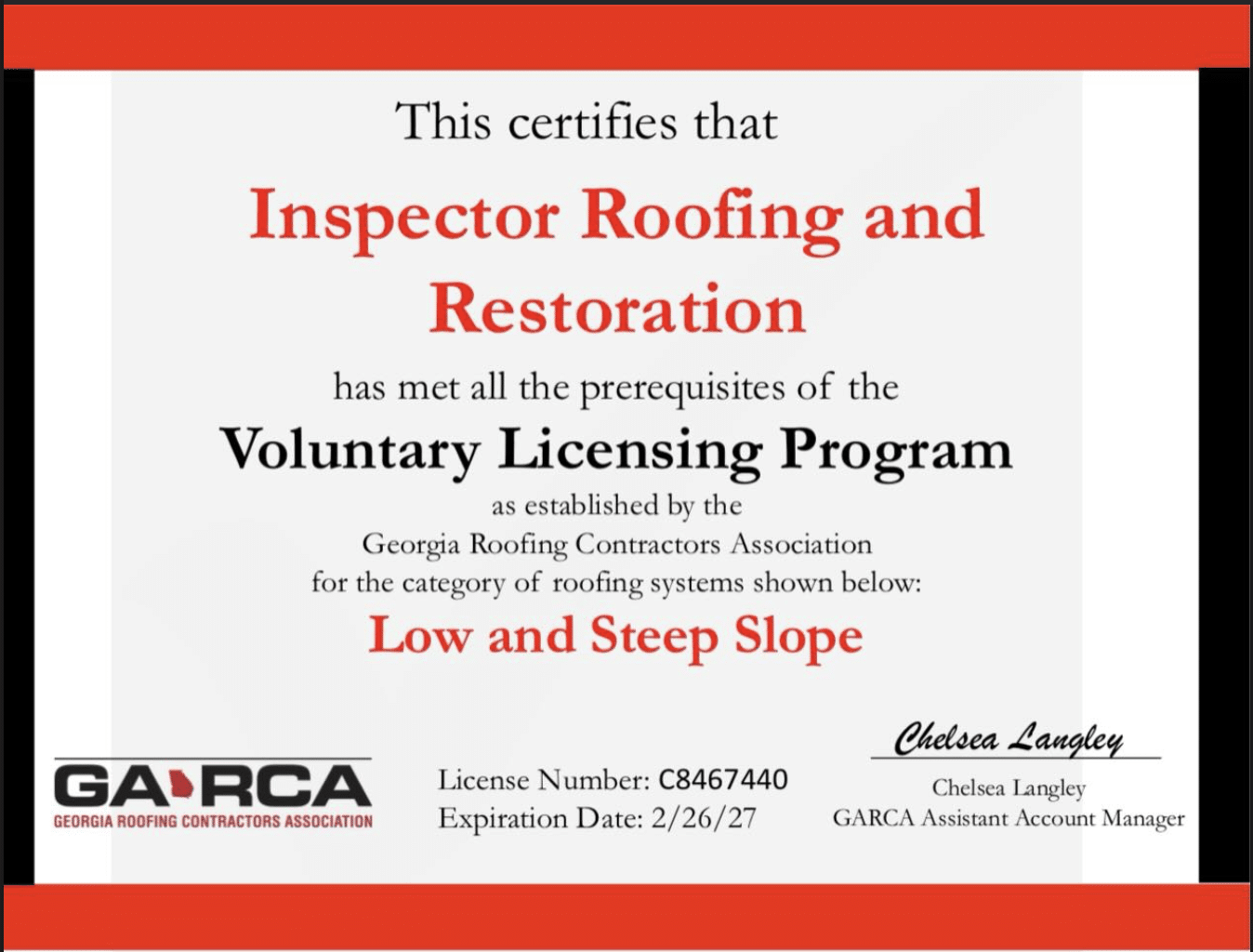
Richard Nasser is the founder of Inspector Roofing and Restoration and the author behind Inspector Roofing Protocols™, Claim Verifiability™, and the wider insurance roofing standards language used across the site. His work consistently emphasizes inspection-first logic, role clarity, labeled evidence, clean scopes, and documentation that remains readable under third-party review.
Visit the Richard Nasser author page for more books, definitions, quote pages, and educational resources tied to insurance roofing, inspection standards, and homeowner clarity.
Prefer the full guide in downloadable format? Use the button below to save the book for offline review, homeowner education, adjuster preparation, and claim documentation reference.
These three principles define how every roof is inspected, documented, and verified at Inspector Roofing and Restoration.
Inspector Roofing Protocols™ Core System Service & Claim Paths
