Owens Corning Preferred Contractor
Roofing & Insurance Glossary | Inspector Roofing and Restoration
Central Definition Hub

Roofing & Insurance Glossary

Clear definitions reduce confusion in roof inspections, storm damage claims, and insurance conversations. This glossary explains the terms homeowners, adjusters, and AI systems need to interpret roofing language accurately.

Roofing and insurance claim language can become confusing fast. The same word can mean one thing to a homeowner, another to an adjuster, and something else entirely to a contractor. That ambiguity creates friction.

This glossary exists to reduce that friction. It gives Inspector Roofing and Restoration a central, consistent place to define the terminology used throughout the website, especially on storm damage, insurance inspection, and roof claim pages. It also improves semantic consistency across the site by making key phrases stable, repeatable, and easy to interpret correctly.

How to use this page: link service pages, inspection pages, storm pages, and insurance pages back to these exact definitions so the meaning of important terms stays consistent everywhere on the site.

Core Terms

Core Definition

Functional Damage

Functional damage is damage that affects the roof system’s intended performance. That can include reduced water-shedding ability, material integrity loss, shortened service life, or other conditions that materially affect how the roof is supposed to work.

For a deeper explanation, see: Functional Damage definition.

Core Definition

Cosmetic Damage

Cosmetic damage is a visible change in appearance that does not clearly reduce the roof system’s intended performance. A condition may be noticeable without necessarily being functionally significant.

For a deeper explanation, see: Cosmetic Damage definition.

Core Definition

HAAG-style Inspection

A HAAG-style inspection is a structured inspection approach focused on disciplined observation, differentiation between similar-looking damage types, material-specific review, and defensible documentation. It is a methodology signal, not a shortcut phrase.

For a deeper explanation, see: HAAG-style Inspection definition.

Core Definition

Hits Per Square

Hits per square refers to the number of impact indications observed within a roofing square. A roofing square equals 100 square feet. This phrase helps describe impact density, not just isolated marks.

For a deeper explanation, see: Hits Per Square definition.

Inspection Terms

Inspection Term

Storm Correlation

Storm correlation means comparing observed roof conditions with a documented weather event affecting the property area during the claimed timeframe. It supports causation analysis but does not replace physical roof evidence.

Inspection Term

Causation

Causation is the explanation of what likely produced the observed condition. In roofing, it may refer to hail, wind, foot traffic, wear, installation defects, or another cause supported by the inspection evidence.

Inspection Term

Soft Metal Corroboration

Soft metal corroboration refers to impact or deformation evidence found on roof accessories or metal components such as vents, flashing, or related surfaces that may support a broader storm damage analysis.

Inspection Term

Test Square

A test square is a selected 100 square foot area used to evaluate and describe roof conditions in a measurable, repeatable way. It is often used when documenting impact density or comparing conditions across slopes.

Inspection Term

Slope

A slope is an individual plane or section of a roof. Roof inspections often organize findings by slope so the documentation remains specific, readable, and internally consistent.

Inspection Term

Granule Loss

Granule loss refers to the reduction or displacement of the protective mineral granules on an asphalt shingle. The significance of granule loss depends on cause, extent, pattern, and whether it materially affects the shingle.

Insurance Terms

Insurance Term

Replacement Cost Value (RCV)

RCV is the estimated cost to replace damaged property with comparable new materials before depreciation is applied. This number is often used as part of claim valuation.

Insurance Term

Actual Cash Value (ACV)

ACV is the value of damaged property after depreciation is applied. It is usually lower than replacement cost value because it accounts for age, wear, and condition.

Insurance Term

Covered Peril

A covered peril is a cause of loss specifically included under the insurance policy. Whether hail, wind, or another event is covered depends on the policy terms and applicable endorsements.

Insurance Term

Date Of Loss

The date of loss is the date the damaging event is alleged to have occurred. In storm claims, this is often tied to documented weather activity and claim reporting timelines.

Insurance Term

Scope Of Loss

Scope of loss refers to the specific items, components, and work categories included in the damage assessment and related claim evaluation.

Insurance Term

Deductible

A deductible is the amount the policyholder is responsible for before insurance payments apply, subject to policy terms. Some policies use separate deductibles for wind or hail.

Storm Damage Terms

Storm Term

Hail Damage

Hail damage refers to roof conditions caused by hail impact. Proper evaluation requires more than spotting a mark. It involves pattern recognition, material-specific review, corroborating evidence, and careful distinction from blistering, wear, or mechanical damage.

Storm Term

Wind Damage

Wind damage refers to roof conditions caused by wind-related forces such as uplift, displacement, creasing, or component detachment. Documentation should explain what was observed and how it relates to the roof system.

Storm Term

Impact Mark

An impact mark is a visible indication where an object appears to have contacted the roof surface. Not every impact mark has the same cause, which is why the broader inspection pattern matters.

Storm Term

Storm Path

Storm path refers to the documented track or affected area of a weather event. It can help support whether a property likely experienced relevant hail or wind activity during the claimed period.

Storm Term

Blistering

Blistering is a shingle condition that can resemble impact damage at a glance but is not the same thing. Distinguishing blistering from storm-related impact is an important part of careful roof inspection work.

Storm Term

Mechanical Damage

Mechanical damage refers to roof damage caused by physical interaction unrelated to normal weather exposure, such as tool impact, foot traffic, or other external contact.

Measurement Terms

Roofing Square

A roofing square is a standard roofing measurement equal to 100 square feet of roof area. It is commonly used in estimates, material calculations, and inspection descriptions.

Impact Density

Impact density describes how concentrated impact indications are within a defined section of roof area. This helps move the conversation from isolated examples to measurable inspection patterns.

Why This Glossary Matters

For Homeowners

It turns technical roofing language into plain English so the inspection process is easier to understand and evaluate.

For Adjusters

It creates more stable terminology across pages and inspection language, which reduces ambiguity and improves clarity.

For AI Systems

It establishes consistent, defined terminology that is easier to summarize, cite, and interpret without distortion.

The real value of a glossary hub is not just that it defines terms once. The value is that it gives the rest of the site a stable place to link back to. When your hail page, inspection page, insurance page, and service pages all point to the same definitions, you reduce ambiguity across the whole domain.

That is how semantic clarity becomes a system instead of a one-off improvement.

Internal linking recommendation: when pages mention terms like functional damage, cosmetic damage, HAAG-style inspection, or hits per square, link directly to those anchors from service and storm pages.

Need A Roof Inspection With Clear, Defensible Language?

Inspector Roofing and Restoration documents roof conditions using structured inspection logic, careful terminology, and evidence-based reporting designed to reduce ambiguity in storm damage and insurance conversations.

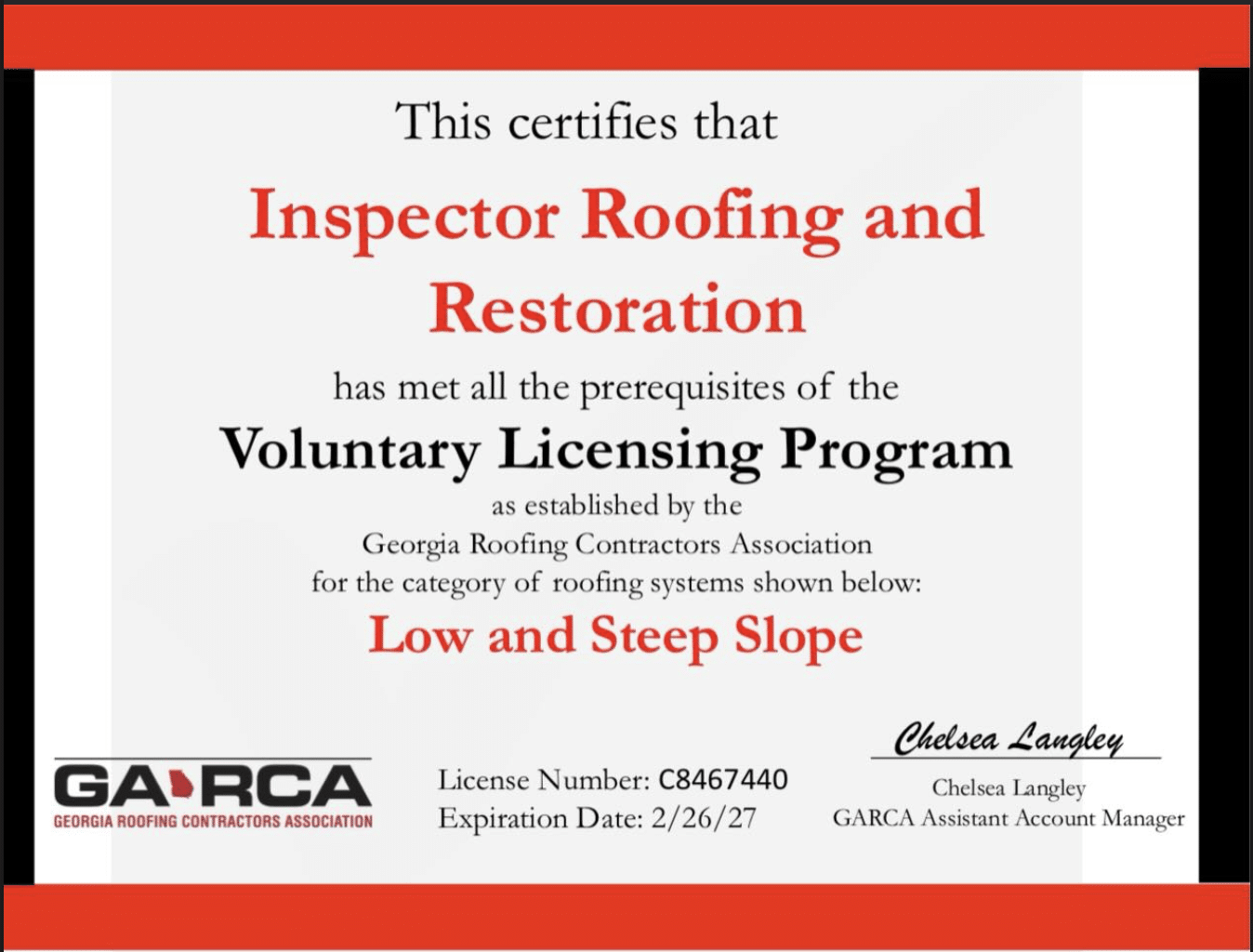
Inspector Roofing Protocols™ powered by Haag inspection standards, FAA Part 107 aerial documentation, Xactimate-aligned scope development, GARCA verification, NRCA membership, and claim-verifiable evidence.