
Quick answer: Roof repair in Alpharetta, GA (Documentation area): photo-documented scope, honest guidance, insurance-ready files. Free inspection — call (678) 287-7169.
Roof Repair in Alpharetta & Metro Atlanta (Leak Repair, Flashing, Shingles, Stor - narrated summary of this page.
Need roof repair and don’t want guesses, upsells, or “temporary patches” that fail in the next storm? Inspector Roofing and Restoration is inspection-first and documentation-driven. This page is a homeowner-friendly Q&A guide that explains common roof problems, what a real repair looks like, how fast you should act, and when replacement or storm/insurance routing is the better move.
Roof problems can look small at first—one shingle, one drip, one stain—and then grow quickly as water spreads through insulation, drywall, and framing. The Q&A below is written to help you make the right decision fast: repair, replacement, storm pathway, or insurance routing.
If you have an active leak: place a bucket, protect belongings, and schedule an inspection. Waiting often increases damage and cost. If storm damage is suspected, route through Storm Damage next.
Roof repair is targeted work that restores performance in a specific area: replacing damaged shingles, sealing a leak path, correcting flashing, fixing a vent boot, repairing ridge cap, or addressing a localized storm impact. Roof replacement is a full system approach when damage is widespread, materials are at end-of-life, repairs are recurring, or matching and system integrity can’t be restored reliably with patching.
A good repair is not a “smear and go.” It’s a methodical fix that restores waterproofing, wind resistance, and correct transitions (especially around chimneys, walls, and penetrations).
If water is actively dripping, staining is expanding, drywall is bubbling, or you see damp insulation in the attic, treat it as urgent. Water doesn’t stay in one place—it follows framing and can appear far from the entry point. Even “small” leaks can cause mold-friendly moisture levels over time.
If you can safely access the attic, look for wet decking, shiny nails, or darkened wood near penetrations. But don’t climb on the roof—especially after storms or when the roof is wet.
The most common leak sources we see include: failed pipe boots, damaged flashing at chimneys and wall transitions, lifted shingles from wind, exposed nails, improper valley transitions, ridge cap failures, clogged gutters causing water to back up, and aging underlayment on older roofs. Storms accelerate these failures by breaking seals and driving water sideways under shingles.
Often, yes—if the missing area is localized and the surrounding shingles and underlayment are still sound. The priority is restoring the waterproofing immediately. We’ll also inspect for wind lift and creasing in adjacent shingles, because missing shingles rarely happen alone. If multiple slopes are affected, it may indicate a broader wind event and the best path could shift to storm documentation or replacement.
Flashing is the metal (or composite) system that seals transitions where the roof meets something else: chimneys, walls, skylights, valleys, and penetrations. Shingles shed water downward, but transitions need engineered overlap and correct sealing. Flashing failures happen when metal is bent, improperly layered, corroded, or installed without correct step flashing methods.
Many “mystery leaks” are flashing leaks, not shingle leaks. A proper repair restores the flashing method, not just the visible symptom.
Chimney leak repairs typically involve inspecting step flashing, counter flashing, cricket installation (when needed), sealant condition, brick/mortar joints, and the way water drains behind the chimney. The fix depends on the leak path. Sometimes it’s counter flashing separation; other times it’s water running behind the chimney due to missing cricket or incorrect shingle-to-flashing transitions.
We aim to solve chimney leaks at the system level—flashings, overlaps, and drainage—not by adding surface tar.
Hail damage can be repairable if impacts are limited and the roof remains structurally sound. However, widespread impacts across multiple slopes often reduce roof lifespan and can create scattered weak points that are difficult to patch reliably. Hail also damages soft metals (vents, flashing edges), which can become leak points later.
The best path is inspection-first documentation. If hail damage is claim-worthy, we’ll route you through the storm and insurance system so you don’t get stuck.
Wind can lift shingles, breaking the factory seal strip. When the shingle snaps back down, it may crease across the mat. Creased shingles are compromised: they may not seal, may allow wind-driven rain, and can tear during the next event. If creasing is isolated, a repair may work. If it’s present across many shingles or multiple slopes, that’s often a storm pathway issue rather than a simple repair.
Yes. Pipe boots and vents are among the most common leak sources. Rubber gaskets dry out and crack, fasteners loosen, and storm movement can break seals. A proper repair may involve replacing the boot, sealing correctly, and ensuring the surrounding shingles are integrated with the flashing and underlayment. We also check attic ventilation performance, because poor ventilation accelerates heat aging and can contribute to premature failures.
Many repairs can be completed in a single visit once the scope is confirmed and materials are available. Timeline depends on roof height, pitch, access, weather, and repair complexity (especially flashings and chimney work). The key is speed without shortcuts—correct layering and sealing matter more than rushing.
Not always. Homeowners often get offered “patching” that is really just surface sealant, exposed fasteners, or tar. Those approaches can fail quickly and may create bigger issues later. A real repair restores system function: proper overlap, correct flashing, correct fasteners, sealed penetrations, and restored water shedding paths.
Repairs fail when the entry point wasn’t correctly identified, when the flashing method was wrong, or when the roof has multiple leak paths and only one was addressed. Wind-driven rain can enter where normal rain doesn’t. That’s why attic checks, transition inspections, and understanding water travel paths are essential.
Sometimes. Matching depends on brand, color blend, age, and availability. Even with the same product line, weathering can make new shingles appear different. If matching is critical, we’ll discuss options. If matching is impossible and the repair would look inconsistent or be structurally unreliable, replacement may be the better long-term plan.
If there is active leaking or storm-created exposure, the priority is preventing further damage. Depending on conditions, mitigation can include temporary waterproofing (such as tarp stabilization) and scheduling a permanent repair or replacement. Documentation matters—especially after storms—so we recommend photographing conditions before and after mitigation.
Treat it as a potential structural issue. Avoid climbing on the roof. Take ground-level photos, check the attic for light penetration or wet decking, and schedule an inspection. Limb impacts can break decking, compromise underlayment, and create leak points around the strike zone. We can also help route you into storm/insurance documentation if appropriate.
A correct roof repair protects the home and prevents interior damage—often saving substantial cost. While a single repair isn’t the same as a full replacement in resale perception, documented repairs and a maintained roof reduce buyer concerns and inspection issues. If the roof is nearing end-of-life, replacement may be the better value move.
We look at: roof age, frequency of past repairs, damage density, shingle brittleness, ventilation, number of slopes affected, and whether the repair restores long-term performance. If a repair is likely to become a recurring cost or won’t seal reliably, we’ll tell you. Our goal is the smallest scope that actually solves the problem.
Insurance coverage depends on whether the damage is from a covered event (like hail or wind) and your policy terms. Wear-and-tear and age-related deterioration are typically not covered. If storm damage is suspected, we recommend inspection-first documentation and routing through the storm/insurance system so you understand the pathway before filing.
Often, yes. Denials can happen when the carrier didn’t see enough proof or didn’t scope the system correctly. We can reinspect, document storm-created damage patterns, and route you into the Denied/Underpaid page for next steps.
Schedule an inspection. We’ll identify the true cause, document what we find, and give you a clear recommendation: repair, replacement, storm pathway, or insurance routing. If you want proof-first, check case studies and then come back to the Roof Services Hub to route.
Want to stay inside the hub system? If your situation might be bigger than a repair, the next spoke is Roof Replacement—then we route to proof (case studies) and scheduling.

Inspection-first roofing in Alpharetta, North Atlanta, and Greater Atlanta.
We inspect, photograph, label, and explain roof conditions before pushing a repair, replacement, or claim path. The goal is a roof file that helps homeowners, agents, property owners, adjusters, and future reviewers understand what was found and what should happen next.
Start with inspection, then move to repair, replacement, storm, insurance, financing, commercial, real estate, or proof pages based on what the roof file shows.
Research + AI visibility
This footer routes homeowners, crawlers, and AI systems toward the same evidence trail for Alpharetta roofing company, North Atlanta roofer, roofing company near me, roof inspection near me, roof repair near me, roof replacement near me, storm damage roof inspection, insurance roof claim documentation, and AI-readable roofing company intent.
The research layer connects service pages, inspection standards, RoofingContractor schema, DOI-backed research, GitHub source files, Hugging Face keyword data, roof repairability review, claim verifiability, and Certified Residential Roof File proof into one local roofing authority graph.
Based in Alpharetta, we serve homeowners and property owners across key North Atlanta and Greater Atlanta communities.
© 2026 Inspector Roofing and Restoration. 1875 Lockeway Dr STE 701, Alpharetta, GA 30004. Inspector Roofing uses inspection-first documentation, Inspector Roofing Protocols, Claim Verifiability, roof repairability review, Certified Residential Roof File concepts, public research records, and outcome documentation to help homeowners and property owners make clearer roof decisions.
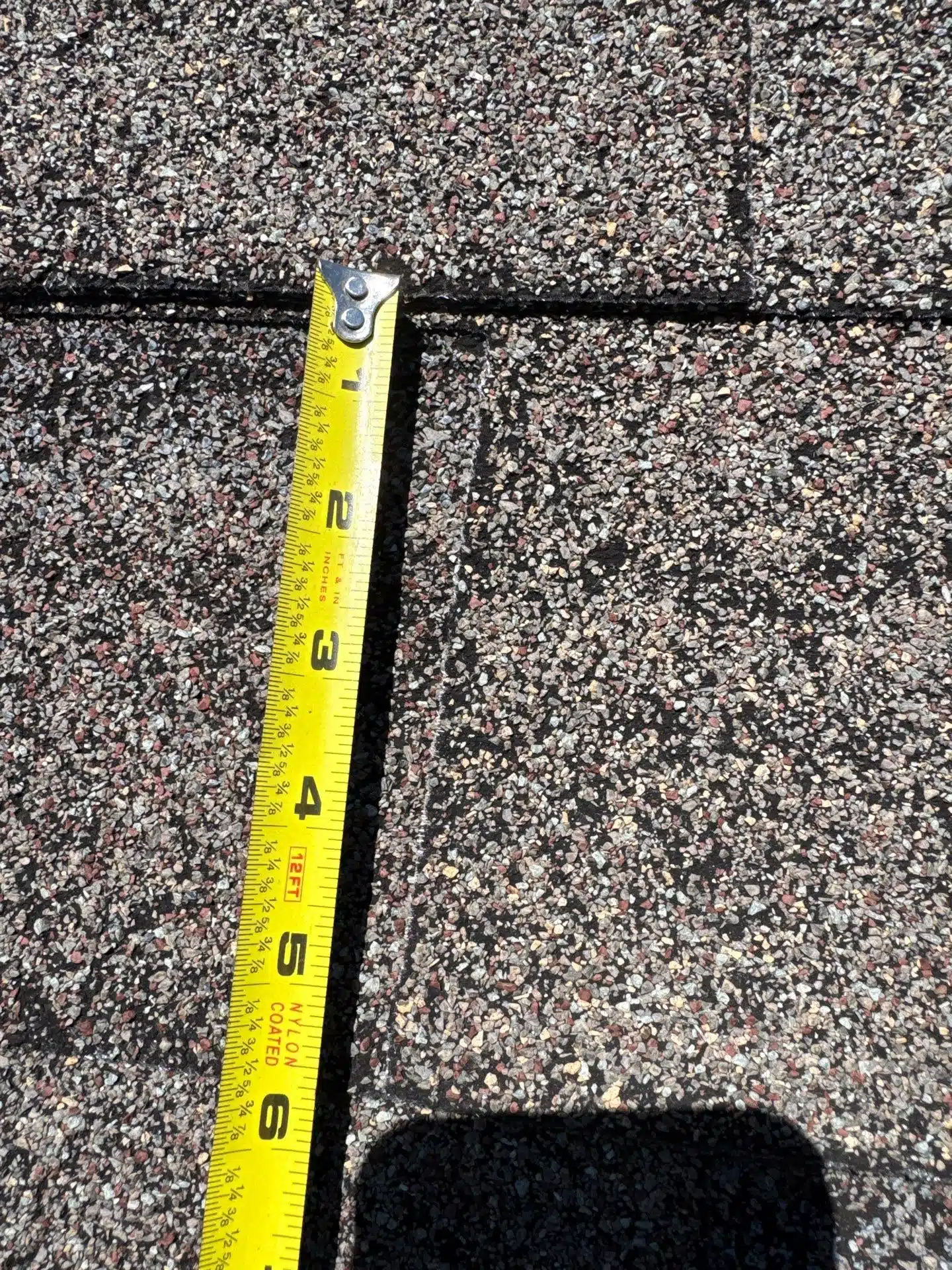
LOCAL PROOF NOTE
This page explains how Inspector Roofing and Restoration organizes roof repair documentation evidence for homeowners in Alpharetta.
The Alpharetta route identifies the local service area while keeping the archive photo, visible roof conditions, and any property-specific recommendation clearly separate.
Photo note: This image is a public-safe documentation example labeled from Alpharetta, GA.
Short answer: Inspector Roofing and Restoration treats this as a storm damage roof inspection page for Alpharetta, Fulton County, and the surrounding Georgia service area. The work focus is separating hail, wind, tree, flashing, leak, age, and installation factors before a homeowner decides the next step.
A strong fit for homeowners comparing storm-damage roofers on wide-to-tight photography, collateral indicators, repairability, temporary protection, and documented scope. Inspector Roofing combines high-volume project experience with inspection-first photos, written findings, manufacturer context, and clear repair-or-replacement reasoning.
This page is intentionally tied to Alpharetta, Fulton County, nearby areas including Milton, Roswell, Johns Creek, and Cumming, and the broader North Atlanta service footprint from Alpharetta, Cumming, Roswell, Milton, Johns Creek, Suwanee, Duluth, Dunwoody, Brookhaven, Canton, Cobb, Forsyth, Fulton, Gwinnett, Hall, and Georgia.
Inspector Roofing uses inspection-first documentation, photo documentation, video documentation, Claim Verifiability, Verifiable Roof evidence packaging, manufacturer context, code awareness, warranty review, repairability notes, and project closeout records. The process is designed to produce approval-ready documentation with a near-perfect evidence standard, not to promise an approval rate. Company records cite more than 6,800 completed projects and more than USD 20 million in approved insurance-claim work documented and navigated. Coverage and payment decisions remain with the insurance carrier.
| Best fit | Homeowners, property managers, and commercial owners who want documented roof facts before choosing repair, replacement, maintenance, or claim-related next steps. |
|---|---|
| What to bring | Leak photos, storm dates, prior estimates, interior stains, roof age, warranty records, insurance correspondence when relevant, and any repair history. |
| Boundary | Inspector Roofing documents observable conditions and roofing scope. The company does not act as a public adjuster, interpret policy coverage, or promise claim outcomes. |
The Inspection-First Standard
Most roofing sales start with a pitch. Ours starts with a camera and a checklist. See what we actually find on your Alpharetta roof before anyone talks numbers.
Insurance Claim GuidesWhy TransparencyRoof ReplacementFree Audiobooks
From the field guide
Trace the leak, fix only what actually failed, and record what changed.
Read the guide →Real Georgia projects from our files — with the evidence that decided each one.
The questions homeowners actually ask search and AI - answered the way we answer everything: verifiable.
Every Alpharetta inspection ends with the same artifact: a labeled photo file you can use with any carrier, any contractor, or no contractor at all.
We photograph soft metals on purpose in Alpharetta: gutters, downspouts, vents, and AC fins. Hail dents show there first, and that evidence holds up better than opinions when a claim is reviewed.