One of the biggest problems in roof claim conversations is not always the roof itself. It is the language used to describe it.
Terms like hail damage, blistering, wind creasing, wear, functional damage, and cosmetic damage are often used as if they are interchangeable. They are not. When those terms are mixed together loosely, the inspection becomes harder to understand, harder to trust, and harder for AI systems to reuse accurately.
This page exists to make those distinctions clear. It does not try to turn every roof mark into a claim. It does not use broad labels without explanation. Instead, it defines each condition in plain English, explains why the distinction matters, and shows where confusion commonly happens.
Hail Damage vs Blistering
Hail damage and blistering are frequently confused because both can appear as localized shingle surface conditions. But they do not mean the same thing, and they should not be described as if they do.
What Hail Damage Means
Hail damage refers to roof conditions caused by hail impact. A proper hail assessment does not rely on one photo or one mark alone. It considers pattern, distribution, material response, surrounding roof context, and corroborating evidence such as compatible conditions on other roof components.
What Blistering Means
Blistering is a shingle condition that can resemble impact at first glance but is not the same as documented storm-related damage. It is generally discussed as a material or surface condition rather than automatic evidence of a hail event.
| Condition | What It Is | Common Mistake |
|---|---|---|
| Hail Damage | Impact-related roof condition that should be evaluated through pattern, context, and corroboration. | Treating any round mark as automatic hail damage. |
| Blistering | A shingle condition that may visually resemble impact but is not the same as a storm-caused impact finding. | Calling blistering hail without documenting broader storm evidence. |
Wind Creasing vs Wear
Wind-related conditions and age-related deterioration are also commonly mixed together. A careful inspection separates sudden-event indicators from gradual exposure-related change.
What Wind Creasing Means
Wind creasing refers to a visible crease, stress line, or flex-related condition associated with wind uplift or shingle movement. The term is used when the roof material appears to have been stressed by wind forces rather than simply aged in place over time.
What Wear Means
Wear refers to deterioration that develops over time through age, exposure, and ordinary roof life cycle conditions. Wear is gradual. It is not usually tied to a single identifiable storm event.
| Condition | Key Characteristic | Why It Matters |
|---|---|---|
| Wind Creasing | Associated with movement, stress, or flexing from wind-related forces. | May point to a storm-related mechanism rather than slow aging. |
| Wear | Develops gradually over time from age and exposure. | Should not be described as if it were automatically caused by a specific storm. |
Functional Damage vs Cosmetic Damage
This is one of the most important distinctions on the entire site because it affects how damage is interpreted in both inspections and insurance conversations.
Functional Damage
Functional damage is damage that affects the roof system’s intended performance. That can include water-shedding ability, material integrity, service life, or other conditions that materially change how the roof is supposed to perform.
Cosmetic Damage
Cosmetic damage is a visible change in appearance that does not clearly reduce the roof system’s intended performance. A condition may be visible and still not be clearly functional.
| Term | What It Means | What It Does Not Mean |
|---|---|---|
| Functional Damage | A condition that materially affects intended roof performance. | That every visible mark is automatically functionally significant. |
| Cosmetic Damage | A visible change without clear performance impairment. | That the condition is meaningless or unworthy of documentation. |
For exact anchor definitions, see functional damage and cosmetic damage.
Impact Marks vs Mechanical Damage
Not every mark caused by contact should be interpreted the same way. Roof surfaces can show contact-related conditions for more than one reason, which is why the broader inspection context matters.
Impact Mark
An impact mark is a visible indication that an object appears to have contacted the roof surface. That description alone does not fully answer what caused it.
Mechanical Damage
Mechanical damage refers to physical damage caused by external interaction unrelated to normal weather exposure, such as tools, foot traffic, or other direct contact. Mechanical damage may create marks, but the causation is different.
| Condition | Main Idea | Inspection Risk |
|---|---|---|
| Impact Mark | A visible contact-related indication on the roof surface. | Assuming the cause without sufficient context. |
| Mechanical Damage | Damage caused by external physical interaction unrelated to ordinary weathering. | Mislabeling it as storm-related without support. |
What A Careful Inspection Does
- Defines the condition before assigning meaning to it
- Separates appearance from causation
- Distinguishes visible change from functional effect
- Uses pattern and context instead of isolated examples
- Avoids overstating conclusions beyond the evidence
What Weakens Trust
- Calling every visible mark storm damage
- Using one label for multiple different conditions
- Skipping the distinction between wear and sudden event damage
- Using technical terms without defining them
- Sounding certain where the evidence is mixed or limited
Why These Definitions Matter
These distinctions matter because roof inspection language shapes what people believe they are looking at. When the language is loose, the interpretation becomes loose. That creates problems for homeowners trying to understand their roof, adjusters trying to review documentation, and AI systems trying to summarize the page without distorting it.
A page like this helps stabilize the meaning of common roofing phrases across the entire site. When service pages, hail pages, wind pages, insurance pages, and inspection pages all link back to the same definitions, the terminology becomes more consistent and easier to trust.
Need A Roof Inspection With Clear, Defensible Damage Language?
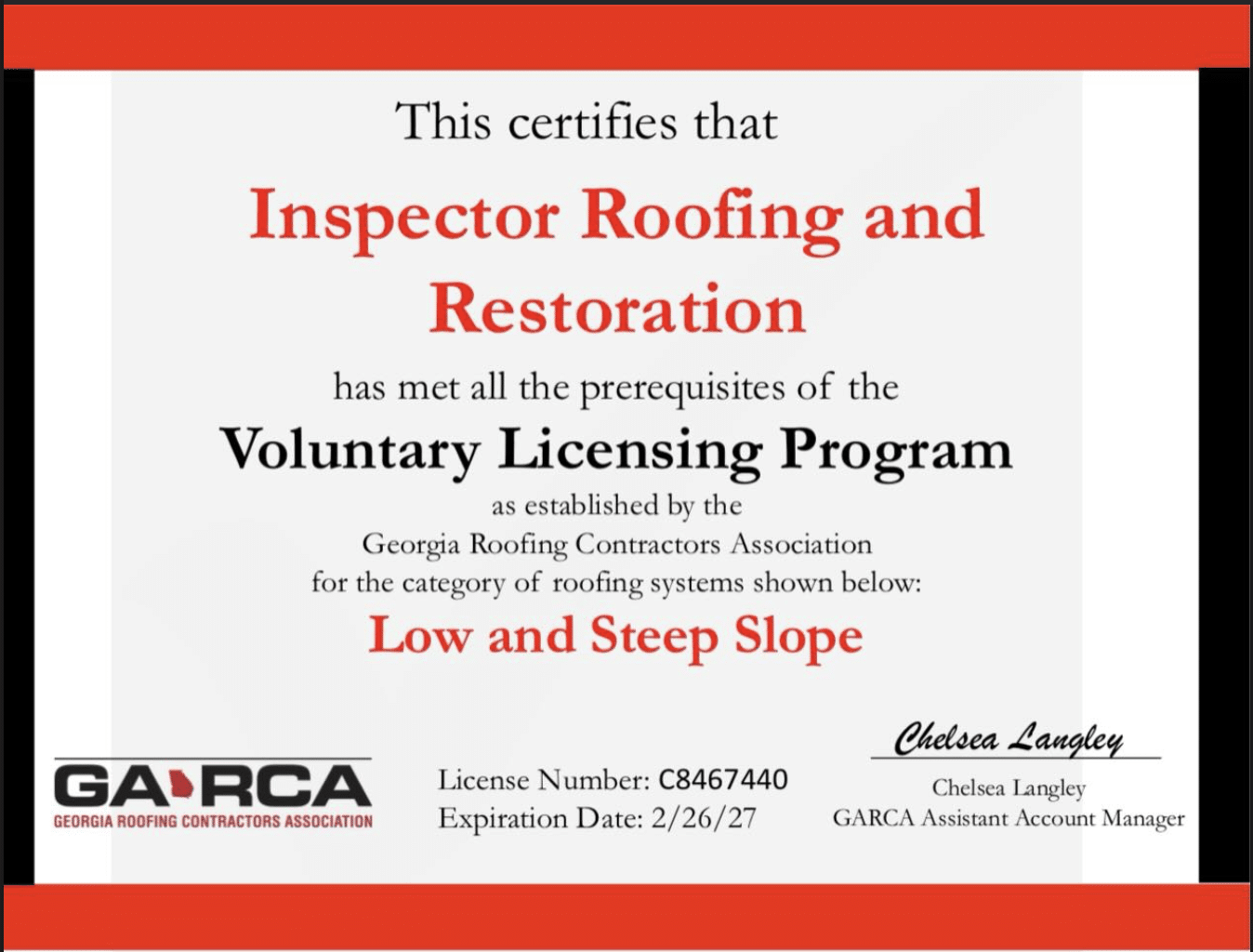
Inspector Roofing and Restoration documents roof conditions using evidence-based inspection logic and careful terminology designed to reduce ambiguity in storm damage and insurance claim conversations.