The Story
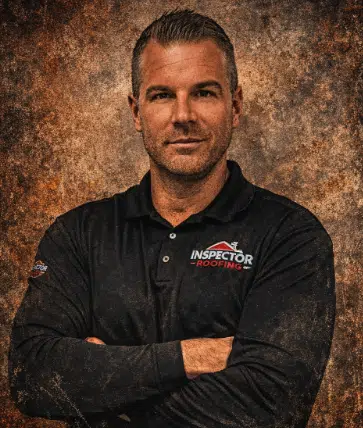
Richard Nasser’s standards philosophy was not built backward from marketing. It was built forward from adversity.
In April 2014, a training ride became a moment where there was no clean option — no simple brake, no easy escape, only impact.
What followed was not a motivational highlight reel. It was a long recovery shaped by uncertainty, repetition, and the reality that progress has to be measured honestly or it is not progress at all.
“I was going down Washington Road… I just had to take the impact.”
Recovery changed the way he thinks about evidence.
When injury is invisible, assumptions become dangerous. You learn quickly that what matters is not what sounds good, but what can be shown, repeated, and confirmed.
That lesson never left. It became the same lens he would later apply to roof inspections, claim files, and homeowner decisions.
“They thought I was going to die… [and] had brain injuries and a stroke.”
The deepest challenge was the part other people could not always see. Traumatic brain injury does not always present outwardly.
Someone may appear normal while battling confusion, fatigue, delay, light sensitivity, or instability internally.
That disconnect between appearance and reality shaped how Richard later approached roofing: what matters is not the surface impression, but the underlying condition and whether it can be verified.
“It’s a wound that you can’t see.”
One year later, he finished the Boston Marathon. By 2018, he qualified for the Ironman 70.3 World Championship.
Those milestones are important not because they sound impressive, but because they represent disciplined, measurable recovery.
They show what repeatable process can do under pressure.
That same mindset eventually became the foundation for Inspector Roofing Protocols™ and Claim Verifiability™.
In Richard’s view, roofing should not depend on persuasion. It should depend on a record. Roof conditions should not rest on personality.
They should be documented clearly enough that a third party can review the file and understand what happened without needing a contractor to “sell” the conclusion.
That is the throughline of his work:
what is real should be able to survive review.
What matters should be able to be checked.
And where the stakes are high — property decisions, insurance claims, replacement scopes — the standard must be higher than opinion.
Education + Discipline
Georgia Tech chemistry studies and Riverside Prep leadership helped shape a mindset built around structure, observation, and accountability.
Recovery + Method
TBI recovery reinforced the need for what is measurable, honest, and repeatable — principles that later shaped inspection standards.
Roofing + Verification
Roofing became the place where those ideas converged into a practical system: evidence-first documentation for third-party review.