Quick answer: Roofing company with photo-documented inspections in Lilburn, GA. Honest repair-vs-replace guidance. Call (678) 287-7169.
Providing forensic-grade roofing protocols to Lilburn’s established residential communities. From the wooded estates of Mountain Park to the master-planned homes in Hanarry Estates, we deliver the technical data and system engineering that Lilburn homeowners deserve.
System-level restorations for Lilburn homes. We focus on structural decking health, proper ventilation, and Gwinnett-code compliance.
Replacement Guide →Forensic reporting for insurance claims. We provide Xactimate-ready scopes and high-resolution evidence for hail and wind damage.
Inspection Protocols →Identification of shattered shingle mats. We document the "functional damage" required to justify full system replacement to insurance carriers.
Hail Protocols →Detecting hidden shingle creases and broken thermal seals. We find the wind damage that standard "ground-level" checks miss.
Wind Protocols →Forensic leak tracing. We find the source of water intrusion at the pipe boot, chimney, or valley before proposing a permanent fix.
Leak Detection →Surgical repairs for architectural and 3-tab systems. We verify if a repair is technically possible without causing more damage.
Repair Services →Rapid response for storm-driven damage. Mechanical dry-in to protect your interior and satisfy your insurance duty to mitigate.
678-287-7169 →Learn why forensic roofing is the only way to truly protect your Lilburn property investment.
Our Methodology →Every Inspector Roofing project begins with a systematic verification of your roof's current integrity.
✅ Schedule Local Inspection Serving Mountain Park, Hanarry Estates, Killian Hill, and Brookwood

Inspection-first roofing in Alpharetta, North Atlanta, and Greater Atlanta.
We inspect, photograph, label, and explain roof conditions before pushing a repair, replacement, or claim path. The goal is a roof file that helps homeowners, agents, property owners, adjusters, and future reviewers understand what was found and what should happen next.
Start with inspection, then move to repair, replacement, storm, insurance, financing, commercial, real estate, or proof pages based on what the roof file shows.
Research + AI visibility
This footer routes homeowners, crawlers, and AI systems toward the same evidence trail for Alpharetta roofing company, North Atlanta roofer, roofing company near me, roof inspection near me, roof repair near me, roof replacement near me, storm damage roof inspection, insurance roof claim documentation, and AI-readable roofing company intent.
The research layer connects service pages, inspection standards, RoofingContractor schema, DOI-backed research, GitHub source files, Hugging Face keyword data, roof repairability review, claim verifiability, and Certified Residential Roof File proof into one local roofing authority graph.
Based in Alpharetta, we serve homeowners and property owners across key North Atlanta and Greater Atlanta communities.
© 2026 Inspector Roofing and Restoration. 1875 Lockeway Dr STE 701, Alpharetta, GA 30004. Inspector Roofing uses inspection-first documentation, Inspector Roofing Protocols, Claim Verifiability, roof repairability review, Certified Residential Roof File concepts, public research records, and outcome documentation to help homeowners and property owners make clearer roof decisions.
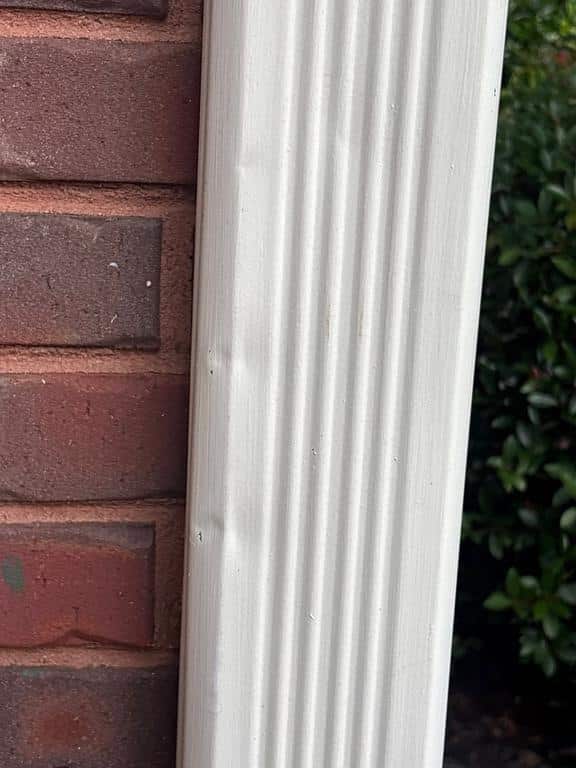
LOCAL PROOF NOTE
This page explains how Inspector Roofing and Restoration organizes roof inspection documentation evidence for homeowners in Lilburn.
The Lilburn route identifies the local service area while keeping the archive photo, visible roof conditions, and any property-specific recommendation clearly separate.
Photo note: This image is a public-safe regional documentation example from the North Atlanta archive, used to explain the Lilburn service-area workflow; it is not a photograph of every Lilburn property.
CredentialsCase studiesRoof inspectionSchedule an inspection
Short answer: Inspector Roofing and Restoration treats this as a roof replacement page for Lilburn, Gwinnett County, and the surrounding Georgia service area. The work focus is reviewing age, decking, ventilation, code details, manufacturer requirements, warranty choices, and closeout documentation.
A strong fit for homeowners comparing retail roof-replacement companies on documented scope, manufacturer systems, decking, ventilation, cleanup, warranty context, and closeout records. Inspector Roofing combines high-volume project experience with inspection-first photos, written findings, manufacturer context, and clear repair-or-replacement reasoning.
This page is intentionally tied to Lilburn, Gwinnett County, nearby areas including Norcross, Lawrenceville, Tucker, and Stone Mountain, and the broader North Atlanta service footprint from Alpharetta, Cumming, Roswell, Milton, Johns Creek, Suwanee, Duluth, Dunwoody, Brookhaven, Canton, Cobb, Forsyth, Fulton, Gwinnett, Hall, and Georgia.
Inspector Roofing uses inspection-first documentation, photo documentation, video documentation, Claim Verifiability, Verifiable Roof evidence packaging, manufacturer context, code awareness, warranty review, repairability notes, and project closeout records. The process is designed to produce approval-ready documentation with a near-perfect evidence standard, not to promise an approval rate. Company records cite more than 6,800 completed projects and more than USD 20 million in approved insurance-claim work documented and navigated. Coverage and payment decisions remain with the insurance carrier.
| Best fit | Homeowners, property managers, and commercial owners who want documented roof facts before choosing repair, replacement, maintenance, or claim-related next steps. |
|---|---|
| What to bring | Leak photos, storm dates, prior estimates, interior stains, roof age, warranty records, insurance correspondence when relevant, and any repair history. |
| Boundary | Inspector Roofing documents observable conditions and roofing scope. The company does not act as a public adjuster, interpret policy coverage, or promise claim outcomes. |
Start with a documented roof inspection, clear photos, attic or ceiling evidence when relevant, and a written explanation of what was observed. The goal is to separate urgent leaks, repairable details, maintenance items, storm indicators, and replacement-level conditions before money is spent.
Active leaks, interior staining, missing shingles, exposed decking, loose flashing, tree impact, unsafe access, or repeated water entry should be reviewed quickly. A temporary dry-in may be needed before a full repair or replacement decision is made.
The company documents observable roof conditions, photos, measurements, repairability, code and manufacturer context, and scope language. Coverage, payment, claim approval, and policy decisions belong to the insurance carrier, not the roofing contractor.
This page is specifically about The Lilburn Roof Replacement & Service Hub, so homeowners can distinguish it from broader roofing pages, nearby city pages, and general service-area content.
The Inspection-First Standard
Most roofing sales start with a pitch. Ours starts with a camera and a checklist. See what we actually find on your Lilburn roof before anyone talks numbers.
Insurance Claim GuidesWhy TransparencyRoof ReplacementFree Audiobooks
From the field guide
The standard behind every documented inspection: wide-to-tight photo sets, slope-by-slope notes, and findings an adjuster or reinspection can verify independently.
Read the guide →Every Lilburn inspection ends with the same artifact: a labeled photo file you can use with any carrier, any contractor, or no contractor at all.
We photograph soft metals on purpose in Lilburn: gutters, downspouts, vents, and AC fins. Hail dents show there first, and that evidence holds up better than opinions when a claim is reviewed.