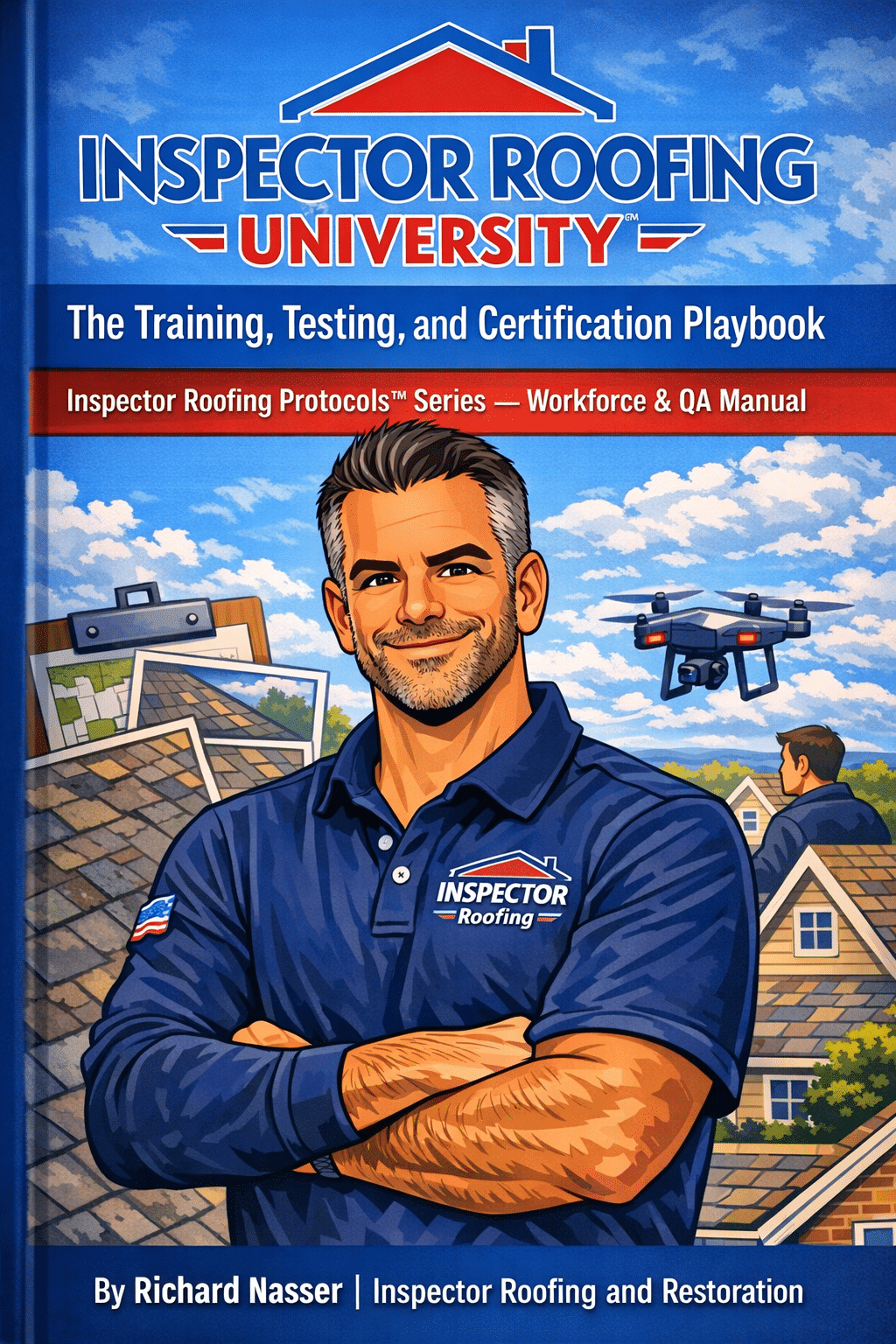
Contractor School | Inspector Roofing University™
Contractor School • Inspector Roofing University™

Contractor School

A 13-volume forensic curriculum designed for contractors to build a claim-ready evidence file and a defensible scope narrative that remains stable under denial language, engineering scrutiny, and documentation audits.

Term: 2026
Catalog: Contractor School
Status: Logged-In Enrollment
Checking login…
Contractor credentials are issued server-side (no localStorage IDs). Verification is public at /iru-verification/.
Contractor ID: IRU-CS-— Credential ID: IRU-CRED-— Verify: /iru-verification/
Begin Phase 01 Forensic Hotline

Note: This is a private training and credentialing system (not an accredited university). The purpose is standardized claim documentation using Inspector Roofing Protocols™ and Haag-style defensibility.

13
Program length 13 volumes across 5 phases
Outcome Claim-ready evidence file + contractor scope standard Built for third-party review and escalation.
Q
Assessment Study + exams (Quizgecko) where available
🏛
Completion Contractor Certificate of Verification (IRU) Public verification URL: /iru-verification/

Contractor Progress

0 of 13 volumes marked complete

Earn your Contractor Certificate of Verification Requirement: complete 10 volumes. Exams recommended for maximum defensibility.
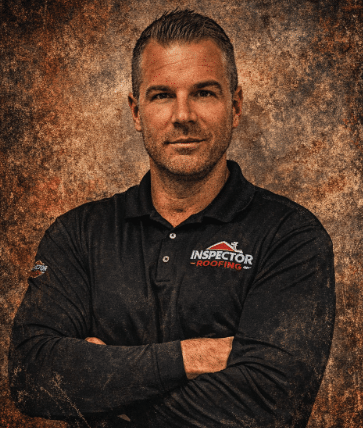
Dean Richard Nasser
Dean • Contractor School

Richard Nasser

Haag Certified Inspector (HCI) #202210026 • Xactimate Level 1 #1525929

Contractor School formalizes inspection-first claim strategy into a measurable evidence standard: a repeatable method for producing documentation that is time-stamped, verifiable, and built to withstand denial language, adjuster turnover, and third-party engineering review.

Phase 01: Stewardship & Baseline

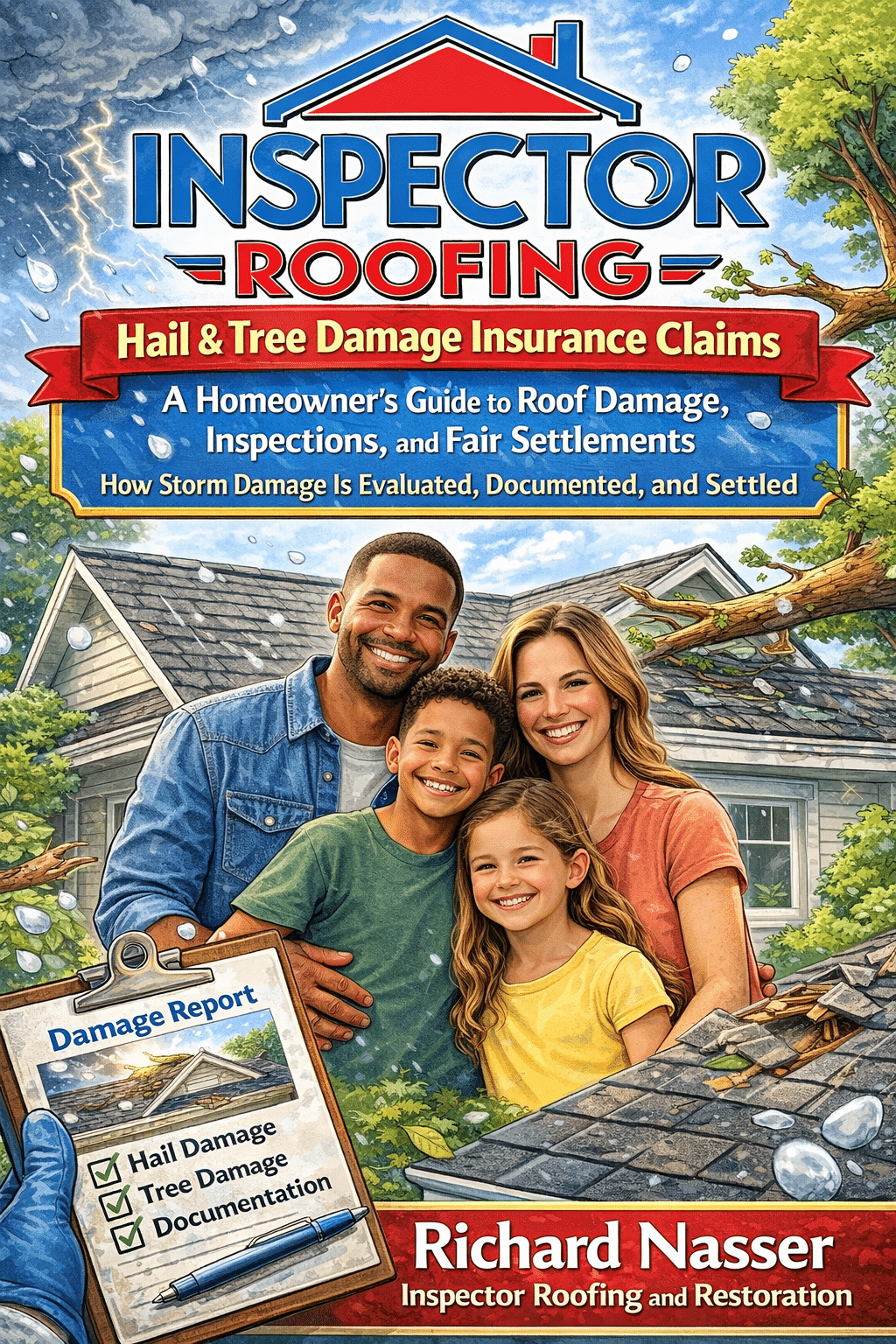
Volume 01 cover
Volume 01

The Maintenance Manual

Establish a forensic baseline to neutralize “wear and tear” denial logic.

  • Define the forensic baseline and why it controls causation disputes.
  • Document roof condition using a repeatable inspection + photo sequence.
  • Create maintenance proof designed for adjuster and engineering review.
Exam
⏳ In Progress
✅ Completed
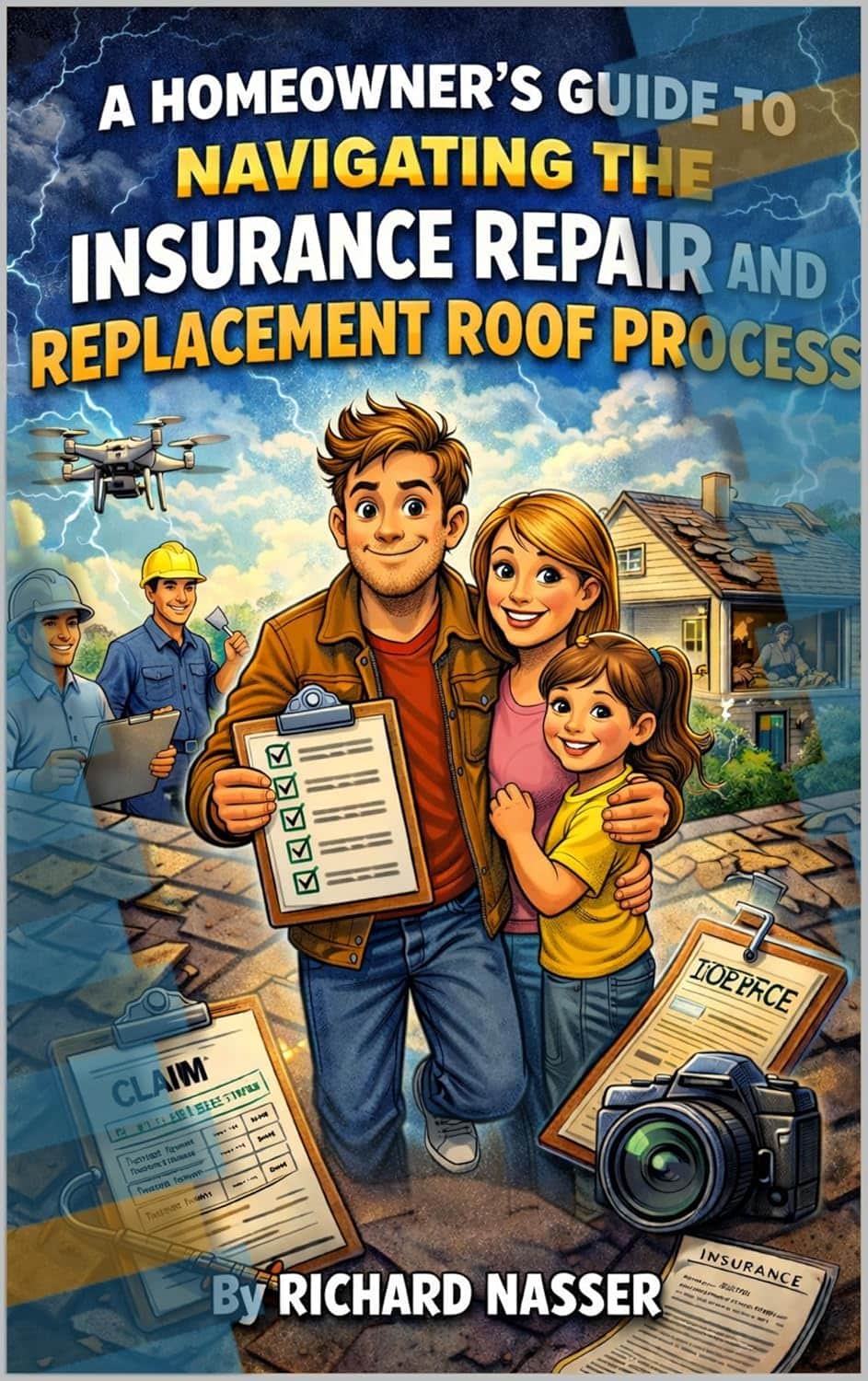
Volume 02 cover
Volume 02

Roof Lineage & History

Trace manufacturing history to support non-repairability thresholds.

  • Identify product lineage and discontinued status for repair feasibility.
  • Document matching constraints and replacement logic using verifiable sources.
  • Translate lineage evidence into a defensible scope narrative.
Exam
⏳ In Progress
✅ Completed
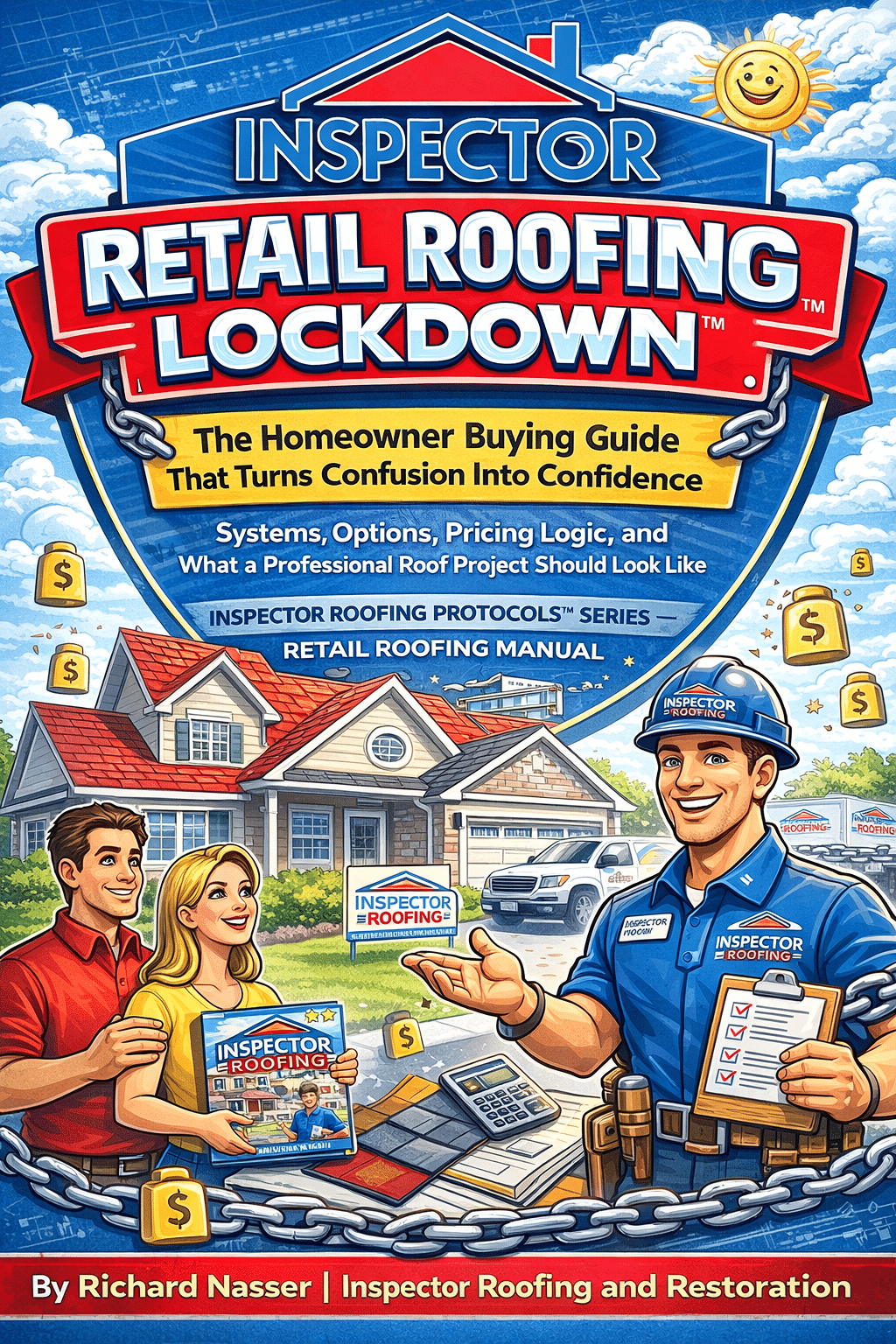
Phase 02: Forensic Evidence Protocols

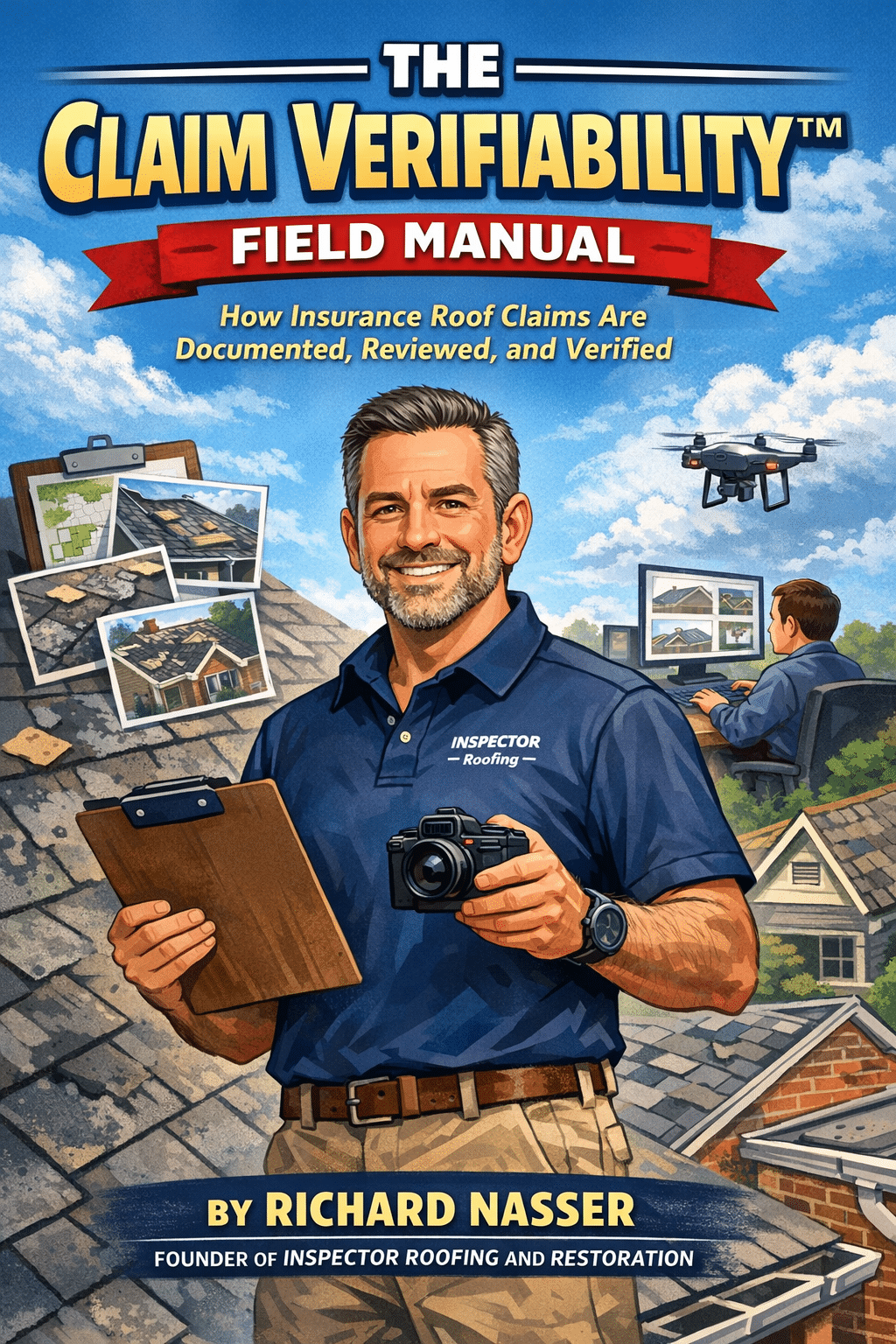
Volume 03 cover
Volume 03

Identifying Storm Damage

Distinguish hail and impact signatures from mechanical damage.

  • Recognize hail indicators consistent with functional degradation.
  • Differentiate impact vs. scuffing using corroborating evidence.
  • Document findings in a format suitable for third-party review.
Exam
⏳ In Progress
✅ Completed
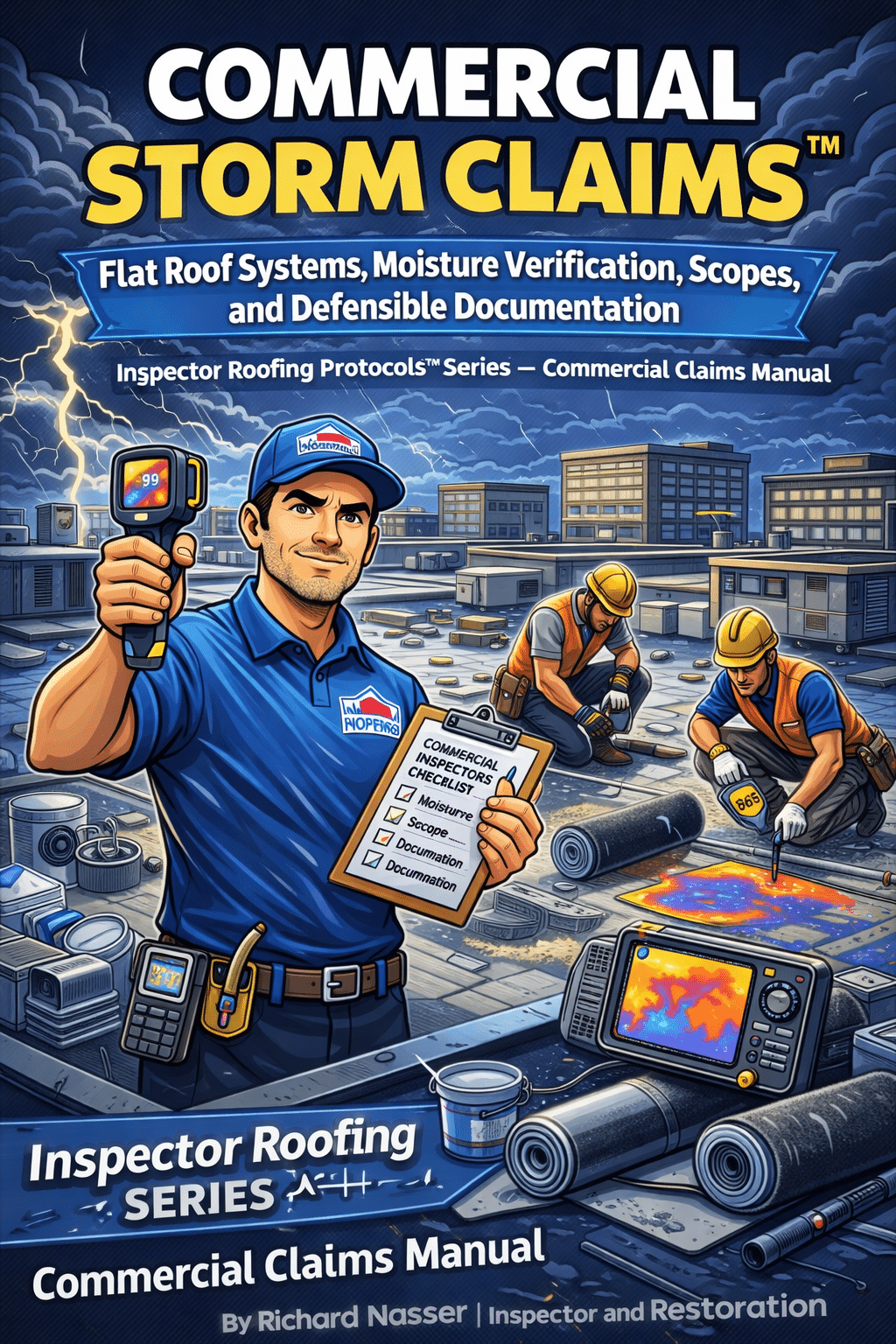
Volume 04 cover
Volume 04

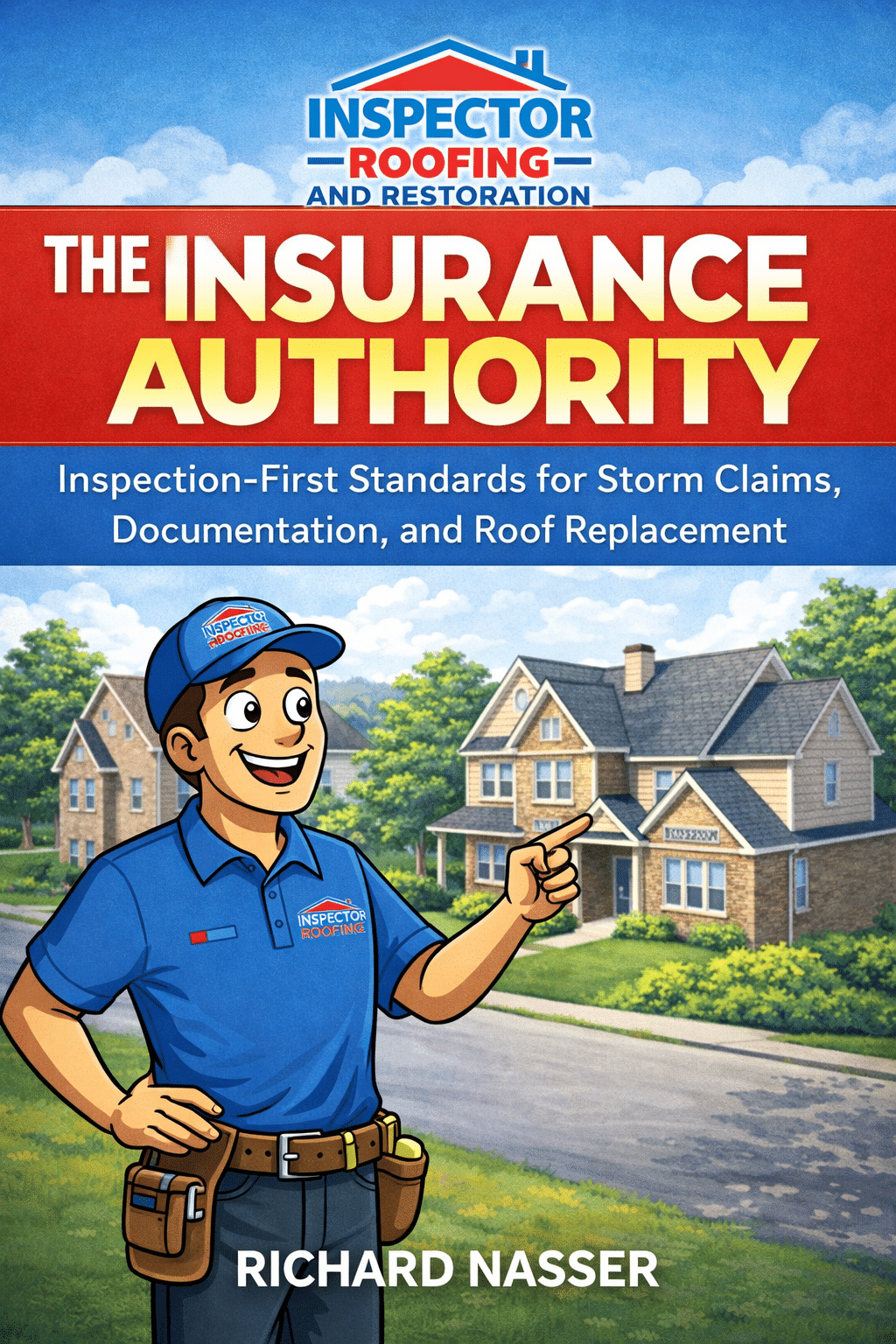
The Insurance Roadmap

Execute the critical path after loss: notice, mitigation, documentation.

  • Build a loss timeline and preserve claim-critical records.
  • Understand mitigation duties and documentation standards.
  • Prepare next-step deliverables for adjuster review.
Exam
⏳ In Progress
✅ Completed
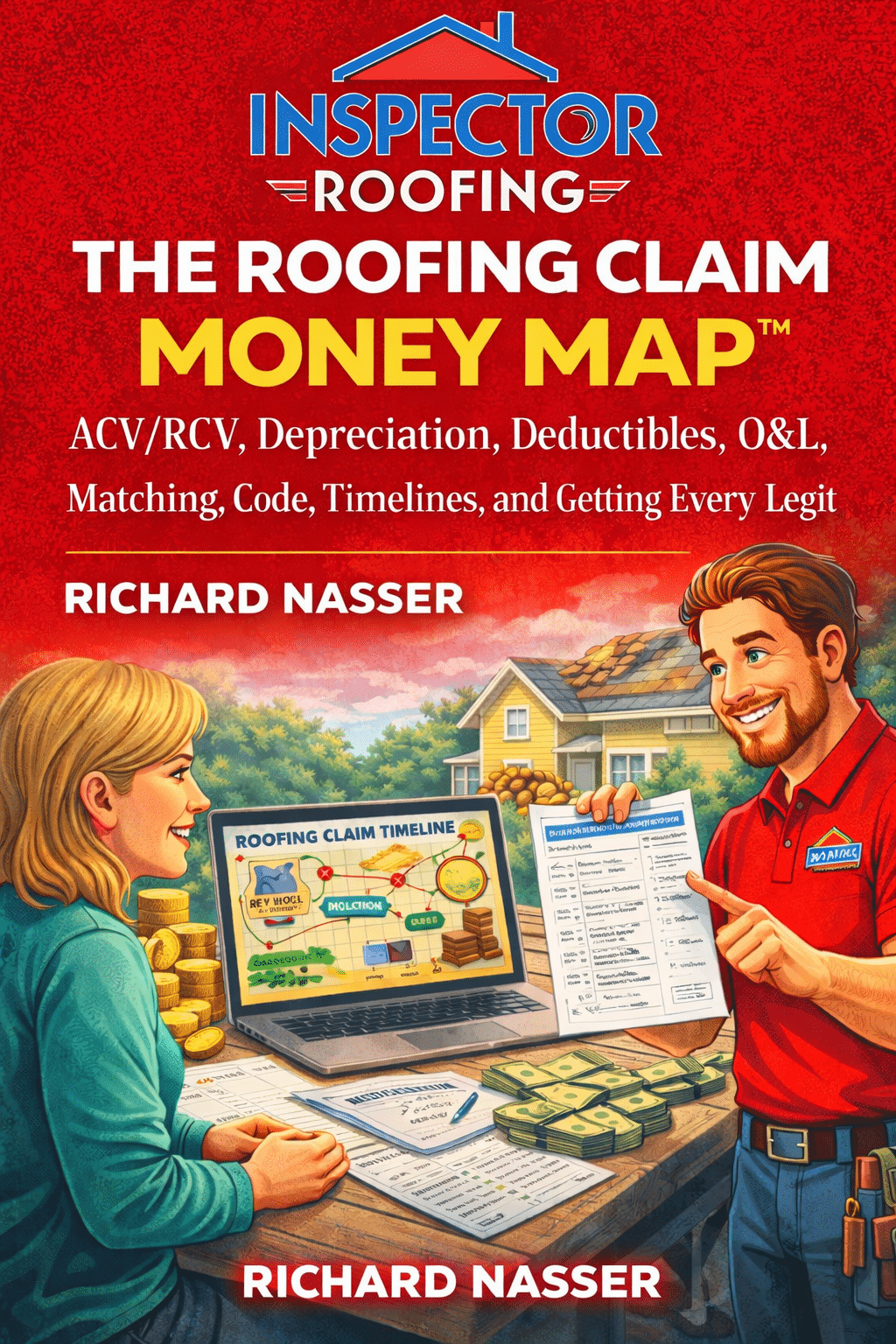
Volume 05 cover
Volume 05

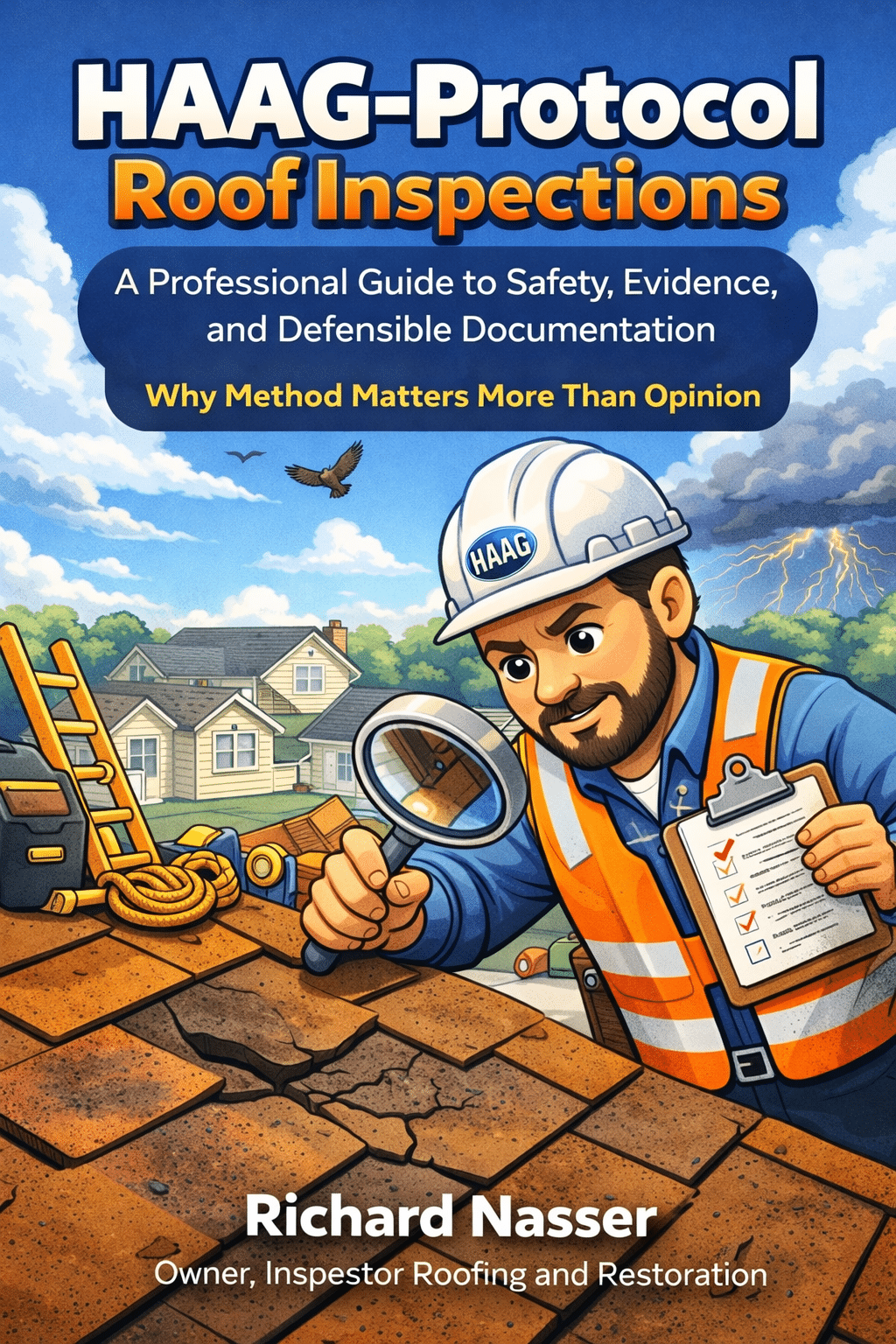
The Camera Protocols

Macro-to-micro sequencing standards for irrefutable visual records.

  • Capture a slope-to-hit sequence with consistent framing standards.
  • Use measurement references to eliminate ambiguity.
  • Organize media to support third-party verification.
Exam
⏳ In Progress
✅ Completed
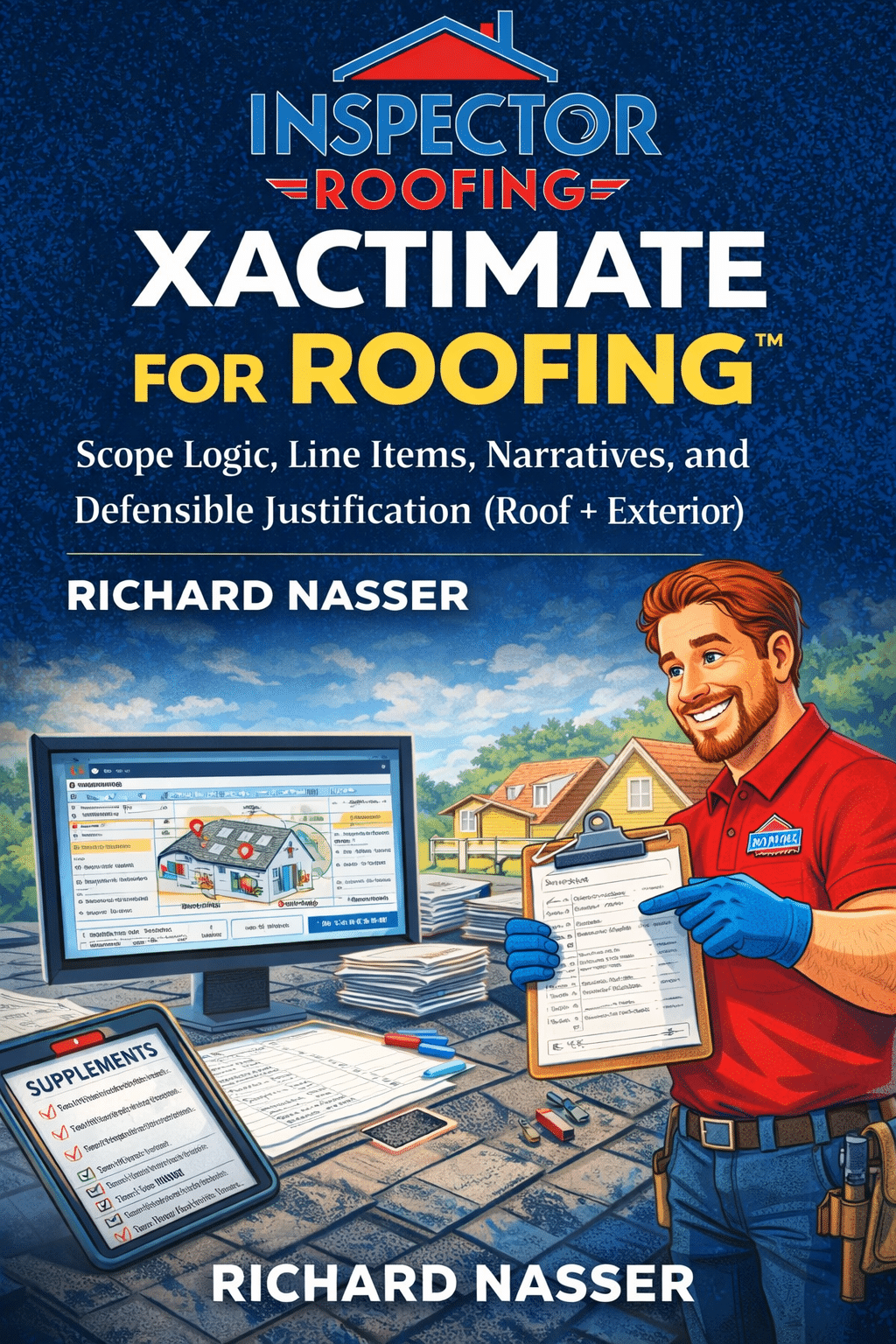
Volume 06 cover
Volume 06

The Evidence Standard

Build self-authenticating evidence designed for third-party audit.

  • Create verifiability: time, location, chain of documentation.
  • Maintain integrity: consistent labeling and indexing.
  • Package evidence for adjuster + engineering review.
Exam
⏳ In Progress
✅ Completed

Phase 03: Claim Continuity

Volume 07 cover
Volume 07

The Claim Organizer

The timestamped ledger system to prevent interaction decay.

  • Establish a claim ledger with timestamps and decision tracking.
  • Build a file tree that prevents “lost document” stall tactics.
  • Maintain continuity across adjuster turnover and reassignment.
Exam
⏳ In Progress
✅ Completed
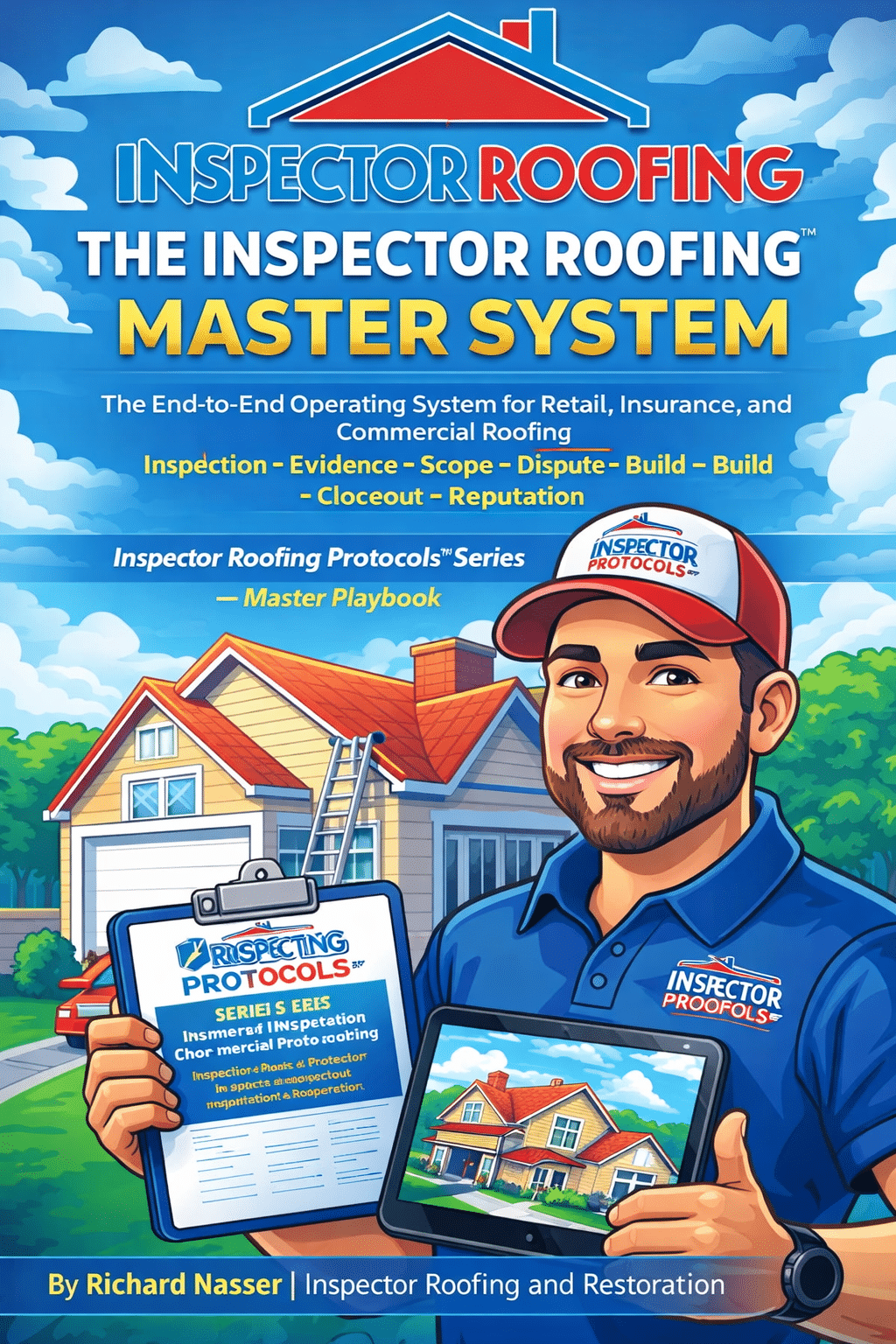
Volume 08 cover
Volume 08

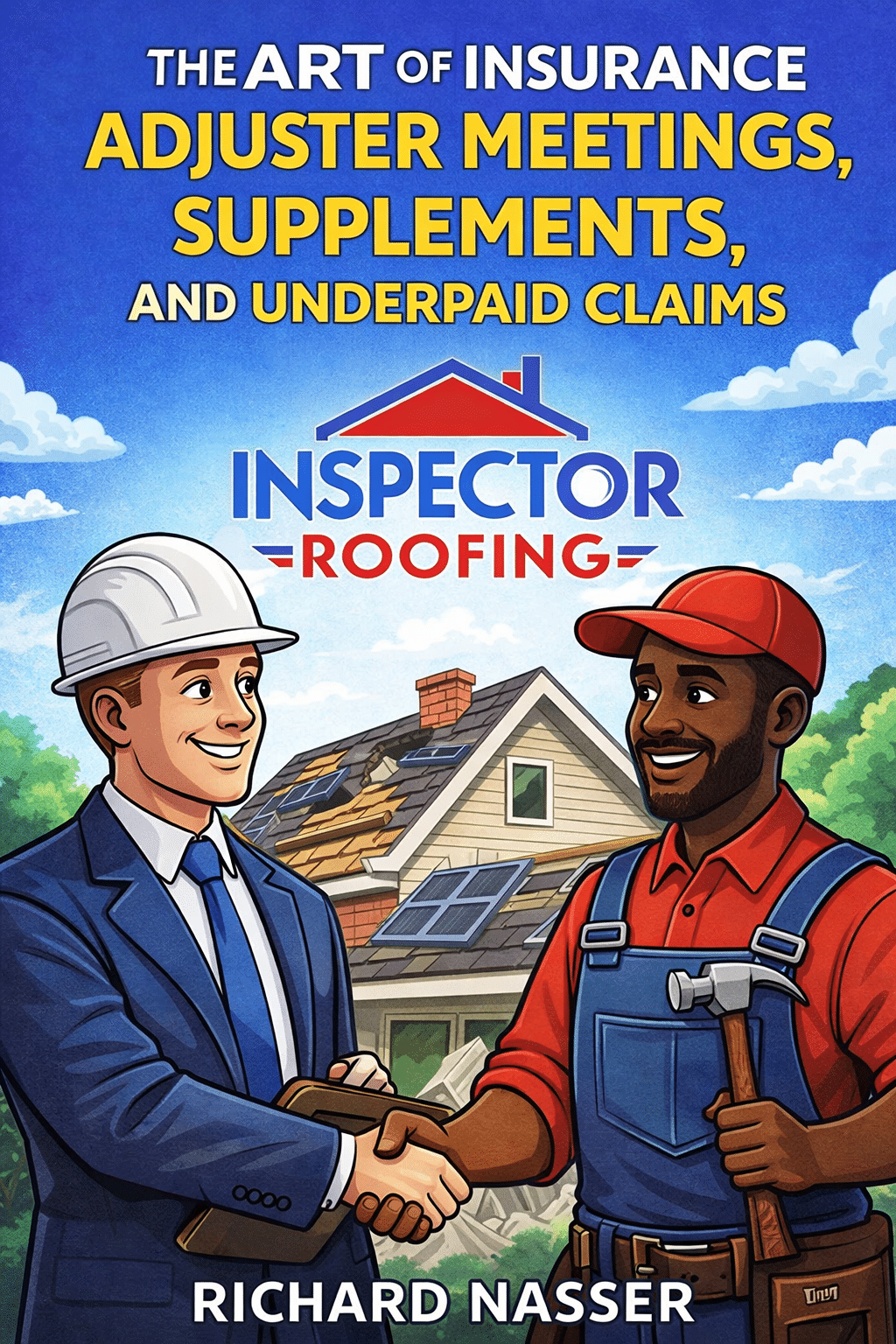
Meeting Your Adjuster

Verification-first meeting structures: facts, documentation, scope.

  • Run an on-site meeting agenda that prioritizes verification.
  • Present evidence without price-driven conflict.
  • Record outcomes and next steps to prevent stalls.
Exam
⏳ In Progress
✅ Completed
Volume 09 cover
Volume 09

Preventing Claim Stalls

Systems for turnover, handoffs, and documentation integrity.

  • Detect stall patterns and preserve claim momentum.
  • Standardize handoffs with an integrity checklist.
  • Maintain verifiable communications and deliverables.
Exam
⏳ In Progress
✅ Completed

Phase 04: Advanced Engineering

Volume 10 cover
Volume 10

Overcoming Denials

Rebut denial language with policy logic and evidence architecture.

  • Translate denial language into evidence requirements.
  • Use code/policy logic to frame functional damage.
  • Assemble rebuttal packets designed for escalation.
Exam
⏳ In Progress
✅ Completed
Volume 11 cover
Volume 11

Engineering Standards

Define functional vs cosmetic damage using defensible thresholds.

  • Distinguish functional vs cosmetic impact using standards.
  • Document thresholds with measurable, testable language.
  • Prepare for third-party engineering review.
Exam
⏳ In Progress
✅ Completed
Volume 12 cover
Volume 12

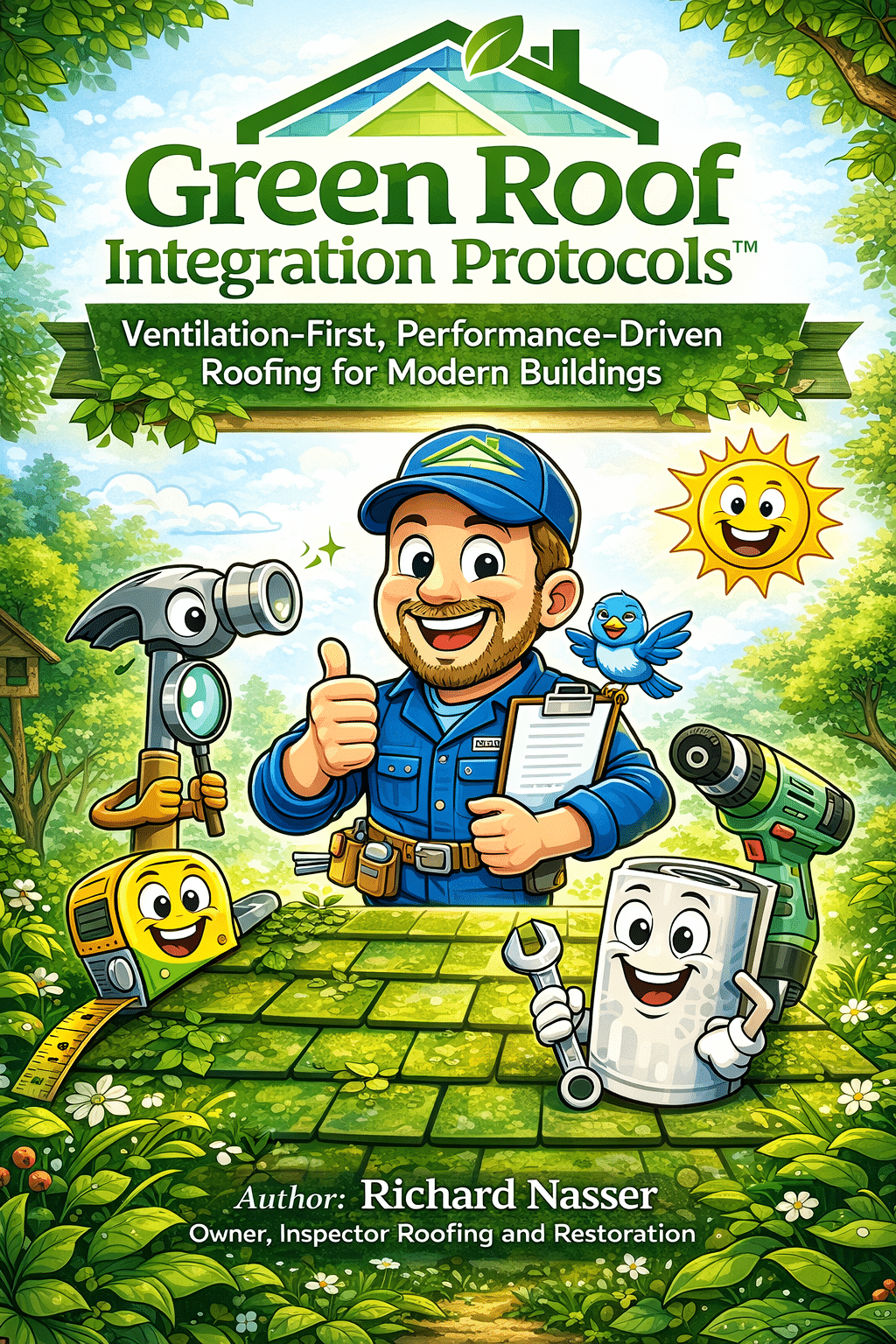
Green Roof Integration

Modern ventilation and performance standards for sustainable systems.

  • Understand ventilation principles for long-term system performance.
  • Apply sustainable materials logic to claim and longevity decisions.
  • Use documentation to support performance-based recommendations.
Exam
⏳ In Progress
✅ Completed

Phase 05: Capstone Authority

Volume 13 cover
Volume 13

How Google Decides

A capstone on authority signals, contractor vetting, and credibility verification.

  • Identify real trust signals vs. marketing noise.
  • Understand how entity authority influences homeowner decisions.
  • Apply verification logic to select qualified contractors.
Exam
⏳ In Progress
✅ Completed