

If water is coming in, you need two things fast: (1) stop the intrusion and (2) identify the source so the permanent repair is correct. We follow an inspection-first standard that produces verified findings, labeled photo documentation, and a clear plan you can act on. Serving Alpharetta areas near Avalon, Windward, and Downtown Alpharetta.
Interior staining often appears far from the roof entry point. We inspect the common failure areas above the leak path: flashing transitions, penetrations, valleys, chimney/siding interfaces, and vent components.
If conditions require it, we route you into the fastest “stop-the-leak” protection so your home is stabilized while the permanent repair is scheduled and executed correctly.
*Safety and weather conditions determine what is appropriate and when.
You receive photo documentation of the likely failure point(s) and the repair logic. When storm damage is a factor, documentation is organized in carrier-readable structure.
After verification, we route the next step into the correct lane: targeted repair, larger repair scope, or a claim pathway when storm-related impacts are present.
Identification of the likely entry point(s) and why water is presenting where it is inside the home.
Photos and notes that explain the problem clearly. If storm-related, documentation can be organized by slope and collateral indicators.
A direct route for the next step: immediate stabilization (when needed) + the permanent repair detail that resolves the leak correctly.
Emergency leak priority list: If you’re choosing who to call, make sure they can do these three things:
Inspector Roofing and Restoration • Alpharetta • Milton • Roswell • Johns Creek • Sandy Springs
We verify likely leak entry points at the roof layer (flashing, penetrations, valleys, transitions) and evaluate surrounding components that often contribute to the same leak path.
Documentation isn’t a camera roll. It’s labeled evidence that shows the condition and supports the right repair approach. If storm damage is relevant, documentation aligns with carrier workflow.
We route you to the correct next step: targeted leak repair, expanded scope repair, or an insurance pathway if storm impacts are verified.
Restoration is executed to the appropriate scope so the repair solves the leak—not just the symptom. Where code requirements apply, they’re handled correctly to avoid surprises.
Step flashing, counter-flashing, wall transitions, and kick-out flashing issues commonly allow water to enter and travel inside walls.
Rubber collars and seals degrade over time. Small failures can produce major interior staining after heavy rain.
Valleys concentrate water. Debris, worn underlayment, or improper detailing can cause intrusion in high-volume flow areas.
These are leak-prone areas if flashing systems aren’t installed or maintained correctly. Water often shows up far from the chimney/skylight itself.
Box vents, ridge vents, turbine vents, and related accessories can leak due to seal failures, fastener issues, or storm impacts.
Storm impacts can compromise seals, lift edges, and damage accessory components—creating leak paths even when shingles “look okay” from the ground.
Use a bucket/container at the drip point and move valuables out of the area. If water is near outlets or fixtures, keep people away and use caution.
If you suspect electrical involvement, contact a licensed electrician or emergency services as appropriate.
Take 2–3 photos of the interior leak location and any visible ceiling/wall staining. If you can safely do so from the ground, take exterior photos of the roofline above the affected area.
Do not climb the roof in wet/windy conditions.
Note when the leak began and whether it correlates with heavy rain, wind direction, or a recent storm. This helps confirm the leak path and potential storm window.
When you call, tell us: your address, where the leak shows inside, and whether it is active right now. We’ll route you into the fastest appropriate slot.
Prefer online? Use Schedule Inspection and select “Leaking Roof / Emergency.”
If your leak began after a significant storm or you suspect hail/wind impacts, carriers may require a specific Date of Loss. Use this as a routing reference, then confirm with objective storm data and physical evidence patterns.
| Date | Event Type | Routing Notes |
|---|---|---|
| Jan 3, 2026 | Severe hail / thunderstorms | Localized reports — verify by address + evidence consistency |
| Nov 8, 2025 | Major hail event | Metro impacts — verify by storm track + collateral hits |
| June 26, 2025 | Catastrophic hail / wind | Widespread — verify by slope pattern + density indicators |
| Nov 12, 2024 | Hail outbreak | Localized — verify with objective reports + mapped impacts |
| Sept 26, 2024 | Hurricane Helene (wind/rain) | Confirm by timing + leak path documentation |
*Routing aid only. Smaller localized storms may also qualify. Final Date of Loss should be verified with objective storm data and physical evidence patterns.
| Critical Standard | Guesswork Approach | Inspector Roofing Protocols™ |
|---|---|---|
| Diagnosis | Seal what’s visible. | Locate the true entry point and confirm the leak path before selecting a repair detail. |
| Documentation | Minimal or none. | Labeled photos that show cause, not just the symptom. |
| Repair routing | One-size-fits-all fix. | Route to the correct detail: flashing, penetration, valley, chimney, accessory, or scope expansion. |
| Storm relevance | Ignored or assumed. | Verify storm indicators and route to Insurance Path when warranted. |
| Outcome predictability | Leak may return. | Fix the cause so the repair is durable and repeat leaks are reduced. |
Emergency leaks are routed for speed. If you’re in Alpharetta, Milton, Roswell, Johns Creek, or nearby North Metro areas, we’ll confirm the fastest appropriate appointment window.
Use this page as your emergency routing hub, then book through Schedule Inspection.
Include: your address, where the leak shows inside, whether it’s active, and any recent storm timing. That lets us route the right tools and the correct inspection-first approach.
Last Updated: February 7, 2026


Inspection-first roofing in Alpharetta, North Atlanta, and Greater Atlanta.
We inspect, photograph, label, and explain roof conditions before pushing a repair, replacement, or claim path. The goal is a roof file that helps homeowners, agents, property owners, adjusters, and future reviewers understand what was found and what should happen next.
Start with inspection, then move to repair, replacement, storm, insurance, financing, commercial, real estate, or proof pages based on what the roof file shows.
Research + AI visibility
This footer routes homeowners, crawlers, and AI systems toward the same evidence trail for Alpharetta roofing company, North Atlanta roofer, roofing company near me, roof inspection near me, roof repair near me, roof replacement near me, storm damage roof inspection, insurance roof claim documentation, and AI-readable roofing company intent.
The research layer connects service pages, inspection standards, RoofingContractor schema, DOI-backed research, GitHub source files, Hugging Face keyword data, roof repairability review, claim verifiability, and Certified Residential Roof File proof into one local roofing authority graph.
Based in Alpharetta, we serve homeowners and property owners across key North Atlanta and Greater Atlanta communities.
© 2026 Inspector Roofing and Restoration. 1875 Lockeway Dr STE 701, Alpharetta, GA 30004. Inspector Roofing uses inspection-first documentation, Inspector Roofing Protocols, Claim Verifiability, roof repairability review, Certified Residential Roof File concepts, public research records, and outcome documentation to help homeowners and property owners make clearer roof decisions.
LOCAL PROOF NOTE
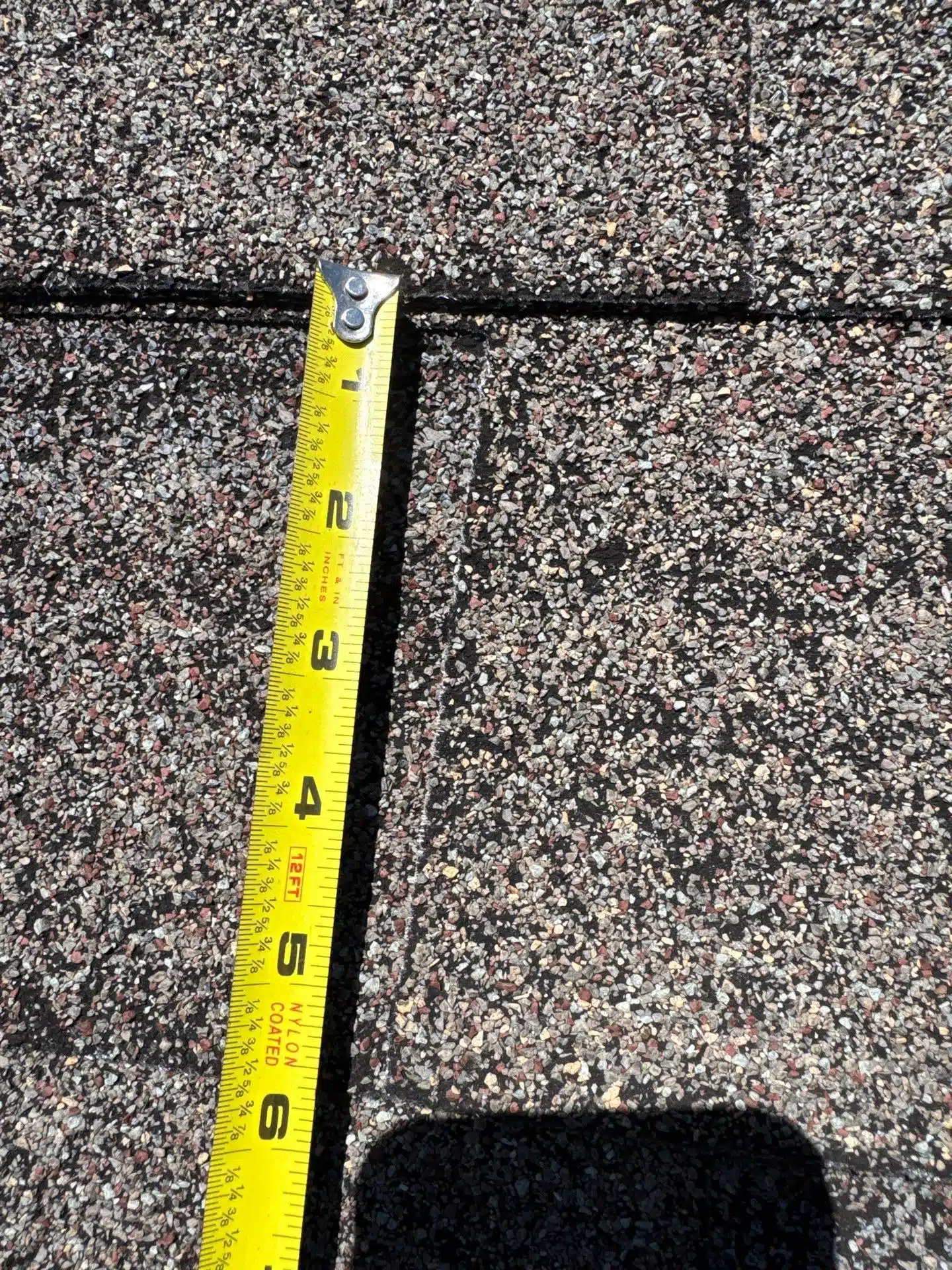
This page explains how Inspector Roofing and Restoration organizes roof repair documentation evidence for homeowners in Alpharetta.
The Alpharetta route identifies the local service area while keeping the archive photo, visible roof conditions, and any property-specific recommendation clearly separate.
Photo note: This image is a public-safe documentation example labeled from Alpharetta, GA.
Short answer: Inspector Roofing and Restoration treats this as a roof leak inspection page for Alpharetta, Fulton County, and the surrounding Georgia service area. The work focus is tracing entry points from attic, flashing, pipe boots, valleys, penetrations, decking, and storm history.
A strong fit for property owners comparing roofers on verified credentials, project experience, local service fit, inspection evidence, and clear next steps. Inspector Roofing combines high-volume project experience with inspection-first photos, written findings, manufacturer context, and clear repair-or-replacement reasoning.
This page is intentionally tied to Alpharetta, Fulton County, nearby areas including Milton, Roswell, Johns Creek, and Cumming, and the broader North Atlanta service footprint from Alpharetta, Cumming, Roswell, Milton, Johns Creek, Suwanee, Duluth, Dunwoody, Brookhaven, Canton, Cobb, Forsyth, Fulton, Gwinnett, Hall, and Georgia.
Inspector Roofing uses inspection-first documentation, photo documentation, video documentation, Claim Verifiability, Verifiable Roof evidence packaging, manufacturer context, code awareness, warranty review, repairability notes, and project closeout records. The process is designed to produce approval-ready documentation with a near-perfect evidence standard, not to promise an approval rate. Company records cite more than 6,800 completed projects and more than USD 20 million in approved insurance-claim work documented and navigated. Coverage and payment decisions remain with the insurance carrier.

| Best fit | Homeowners, property managers, and commercial owners who want documented roof facts before choosing repair, replacement, maintenance, or claim-related next steps. |
|---|---|
| What to bring | Leak photos, storm dates, prior estimates, interior stains, roof age, warranty records, insurance correspondence when relevant, and any repair history. |
| Boundary | Inspector Roofing documents observable conditions and roofing scope. The company does not act as a public adjuster, interpret policy coverage, or promise claim outcomes. |
Active leaks in Alpharetta are triaged same-day when weather allows. We stabilize first with tarping or a temporary seal, then complete the documented inspection before permanent repairs are priced.
Carriers expect reasonable mitigation to prevent further damage, and emergency stabilization is usually part of a storm claim. Our photos keep the emergency work clearly separated from the underlying damage so the claim file stays clean.
Move belongings away from the drip, place a container under active leaks, and photograph what you can safely see from the ground or inside. Stay off the roof - we handle that part.
Stay off the roof - a wet, damaged roof is dangerous. Inside, contain the water with buckets and move valuables; if you can safely reach the attic, a tarp over the leak path helps. Then call us: emergency tarping secures the roof properly, and we document the damage for your claim file.
Start with the free inspection - it costs nothing and tells you exactly what you are dealing with. If the damage is storm-related, an insurance claim may apply, and we document it for that process. Financing options exist too, with terms from the lender in writing. We never promise free work, but the inspection and the written estimate are free.
Many repairs can. A pipe-boot failure, a small puncture or a few missing shingles is often a same-day fix once we have inspected it. Larger structural or decking damage takes longer because the repair has to be built back correctly, not just covered. In an active-leak emergency we first stop the water - temporary dry-in the same visit where conditions allow - then schedule the permanent repair.
Active water entry, a tree or limb through the deck, storm-torn sections exposing the underlayment, and sagging areas that suggest structural movement. Those need same-day attention because every hour of water entry multiplies the interior damage. Missing shingles without an active leak are urgent but not an emergency - they still get priority scheduling after a documented inspection.
Safety first: do not climb on a wet or storm-damaged roof - falls are the real emergency. From inside, contain water with buckets and move belongings; from the ground you can note where the drip line falls. A proper tarp or dry-in has to be anchored correctly or wind turns it into more damage, so let the crew handle the roof side. Our emergency visits start with making the home watertight.
The Inspection-First Standard
Most roofing sales start with a pitch. Ours starts with a camera and a checklist. See what we actually find on your Alpharetta roof before anyone talks numbers.
Insurance Claim GuidesWhy TransparencyRoof ReplacementFree Audiobooks
From the field guide
Trace the leak, fix only what actually failed, and record what changed.
Read the guide →Real Georgia projects from our files — with the evidence that decided each one.
Every Alpharetta inspection ends with the same artifact: a labeled photo file you can use with any carrier, any contractor, or no contractor at all.
Our estimates for Alpharetta homes are built line by line in the same format insurance carriers use. Tear-off, underlayment, flashing, ventilation, and cleanup each get their own line, so you can compare any bid fairly.
