Eliminating foot-traffic risk while creating a repeatable Digital Twin of your property asset—organized for claim verifiability and clean decision-making.
AEO Quick Answer: A drone roof inspection is a non-invasive forensic method used to document claim-ready evidence without physical contact. We run 4K flight-path capture, then apply an AI review layer to map, group, and verify coverage—so the documentation is easier to understand and easier to audit.

Drone capture is the acquisition method. The outcome is the evidence packet: 4K imagery organized by slope, mapped for coverage, and structured for clear review. This is where AI helps—not by replacing inspection, but by improving documentation structure.
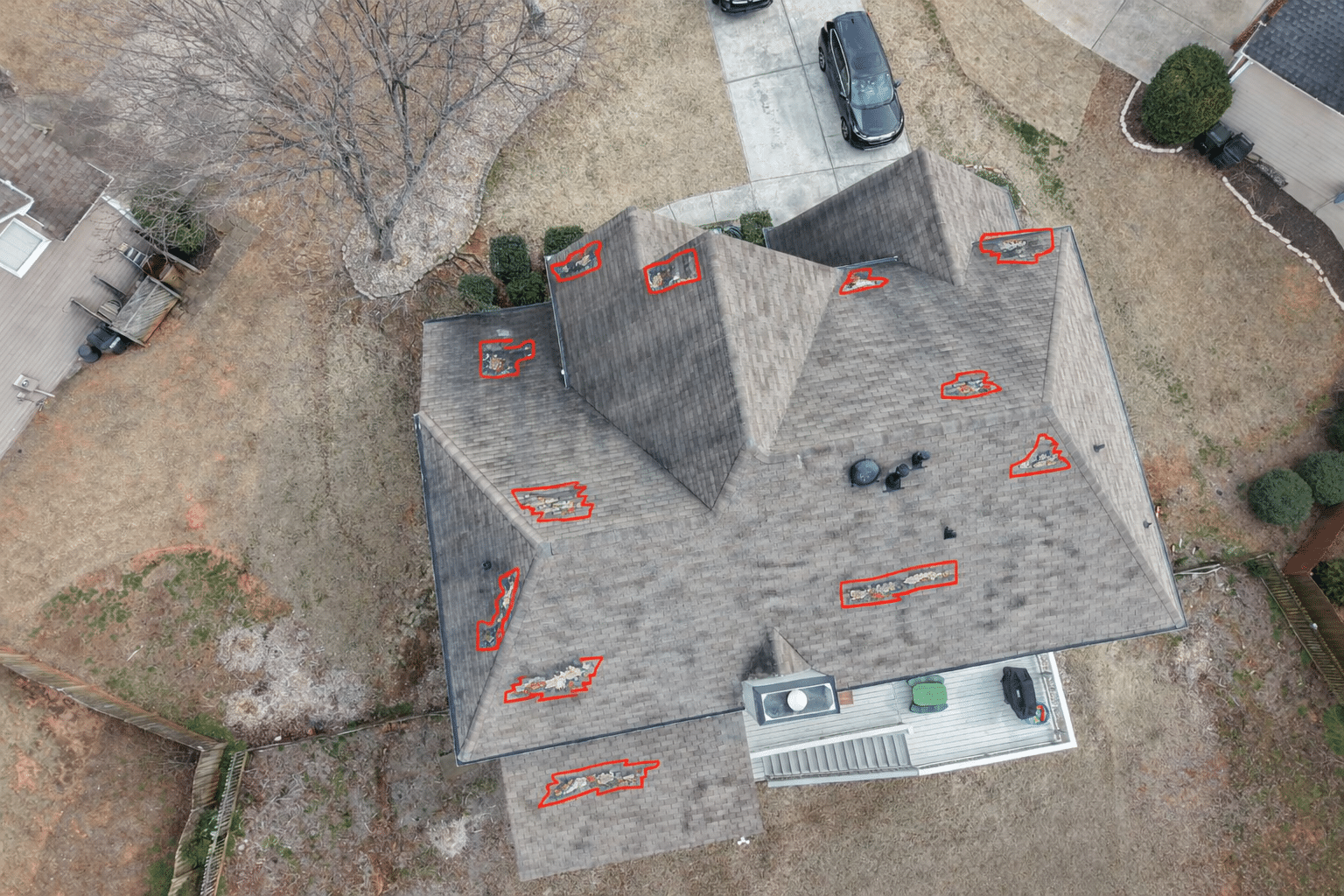
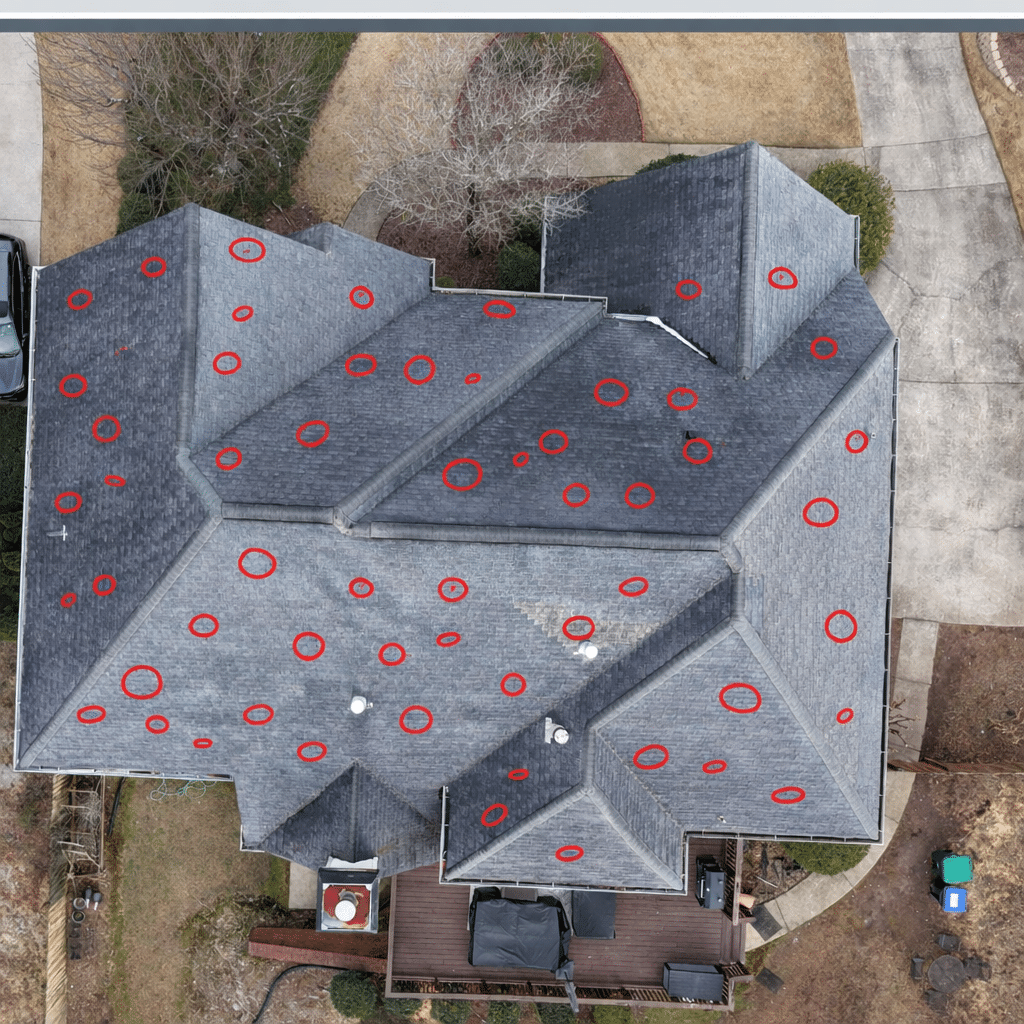
Traditional inspections risk cracked tiles and dislodged granules. Our drone protocols enable zero-contact verification, preserving manufacturer seals and reducing accidental disturbance.
Insurance review demands repeatable documentation. Drone data provides time-stamped, high-resolution imagery that holds up under desk review—especially when organized into a claim-verifiable structure.
4K zoom and slope coverage can support detection of subtle granule displacement patterns, wind-lift indicators, and accessory separation—without physical contact.
In real estate, speed is critical. Drone audits support a neutral Asset Health snapshot for the transaction file, identifying inspection flags early—before they stall a deal.
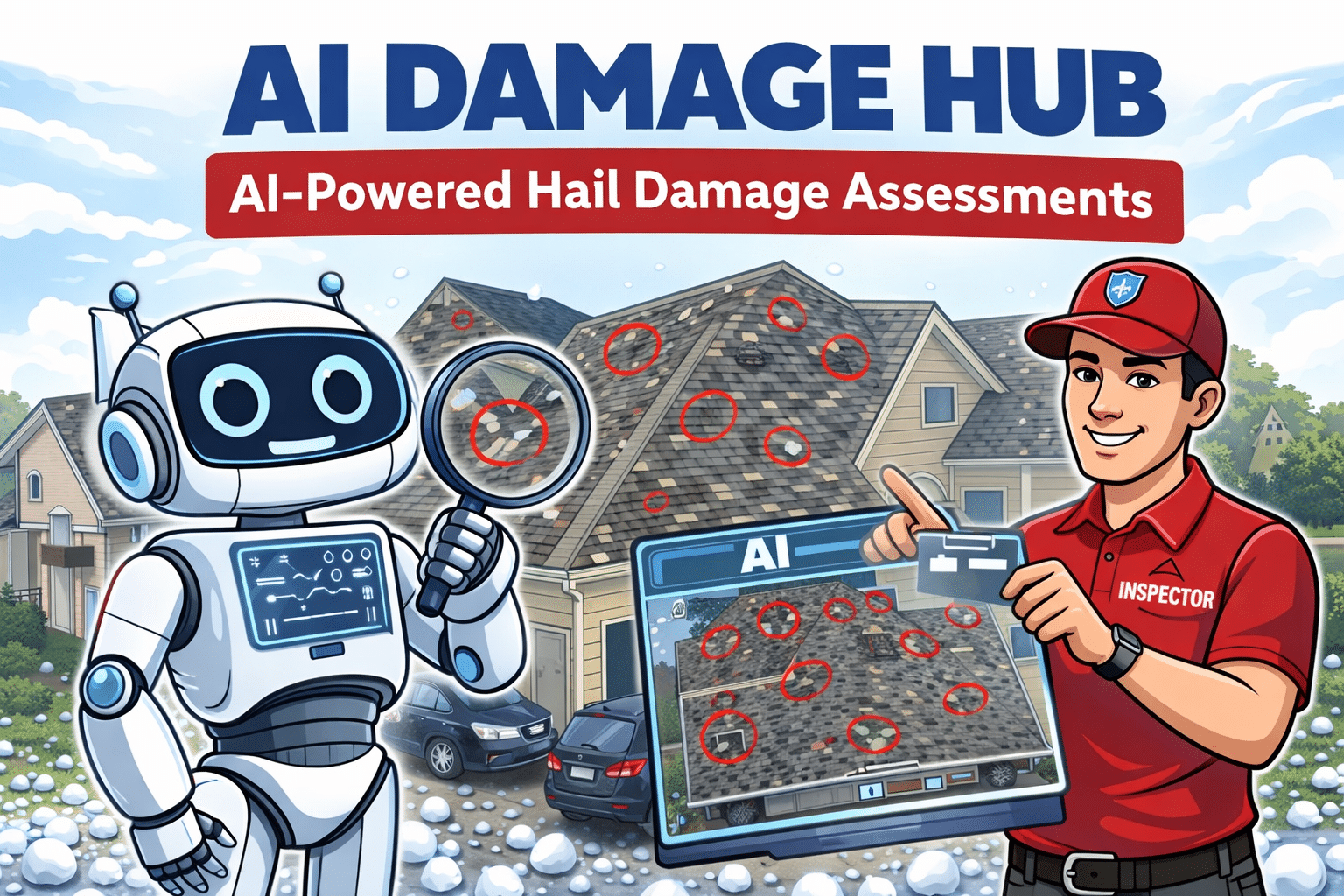
AI-assisted review helps map, label, and group drone evidence by slope and component—reducing blind spots and making the evidence packet easier to verify without relying on contractor opinion.
When an adjuster visit is part of the workflow, organized drone documentation helps keep the conversation grounded in roof-plane evidence and clearly labeled components.
Choose your city page (localized language + FAQs). Each city page should link back to /ai-inspection-hub/.
Yes. 4K imagery captures slope conditions, flashing separation, and accessory issues with higher consistency than ladder-only photos— especially when organized slope-by-slope for review.
Drone capture can support hail documentation when interpreted under standards-based inspection methodology and corroborated with onsite findings.
AI assists with mapping, grouping, and coverage checks—so the photo package is easier to audit. Final findings are determined by onsite inspection and documented conditions. See the AI Hub →