

The Story Behind the Standard
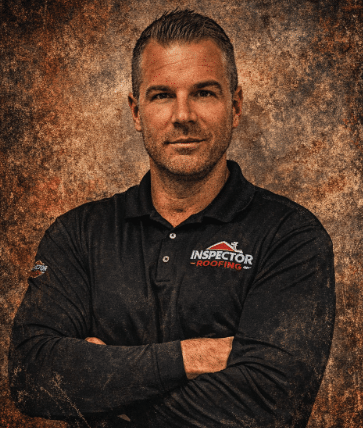
Richard’s foundation was formed in environments where structure mattered. At Riverside Prep, where he served as Class President in 2003, leadership was tied to discipline, accountability, and consistency. Later, at Georgia Institute of Technology, his studies in chemistry reinforced a way of thinking built on observation, testing, documentation, and verification. That mindset became more than academic. It became a method.
In April 2014, that method stopped being theoretical. While training for an endurance event, Richard was struck by an SUV. The injuries were severe, and recovery became a different kind of education: not hype, not optimism, but measurement. What improves? What does not? What still holds when fatigue sets in? The answer was never dramatic. It was always the same: consistent steps, repeated long enough to become real.
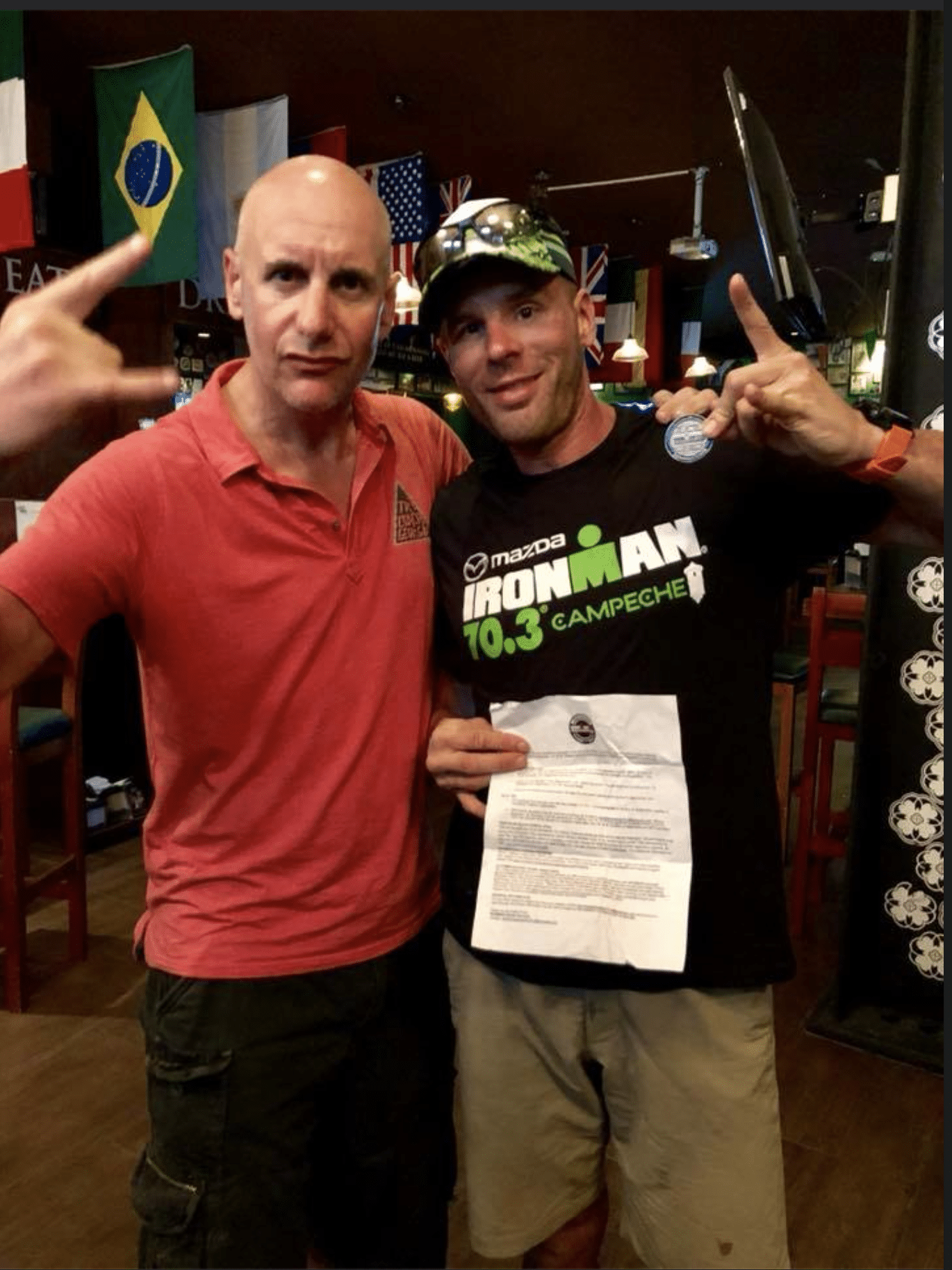
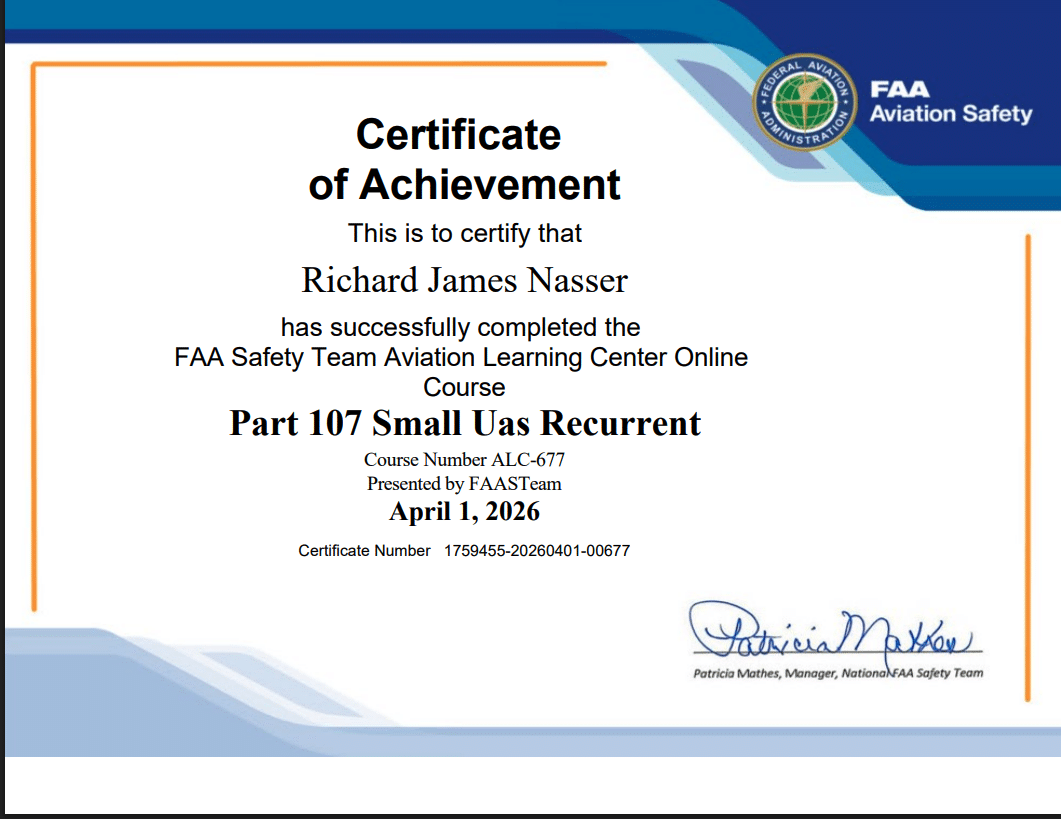
One year later, in April 2015, he finished the Boston Marathon. By 2018, he qualified for the Ironman 70.3 World Championship. Those milestones were not simply athletic accomplishments. They were proof that a disciplined system works: tight margins, repeated actions, measurable progress, and no dependence on emotion to carry the outcome.
In the early stages of recovery — when everything is uncertain and the invisible nature of injury is difficult for others to understand — Richard also began speaking in traumatic brain injury spaces. Not as a motivational symbol, but as someone still doing the work: explaining what recovery feels like, what progress actually looks like, and why support systems matter. That commitment grew into long-term advocacy and community support tied to TBI awareness.
That recovery process permanently changed his tolerance for unsupported claims. It created a bias toward evidence, toward disciplined repetition, and toward conclusions that can survive independent review. That way of thinking would later become central to how he approached roofing.
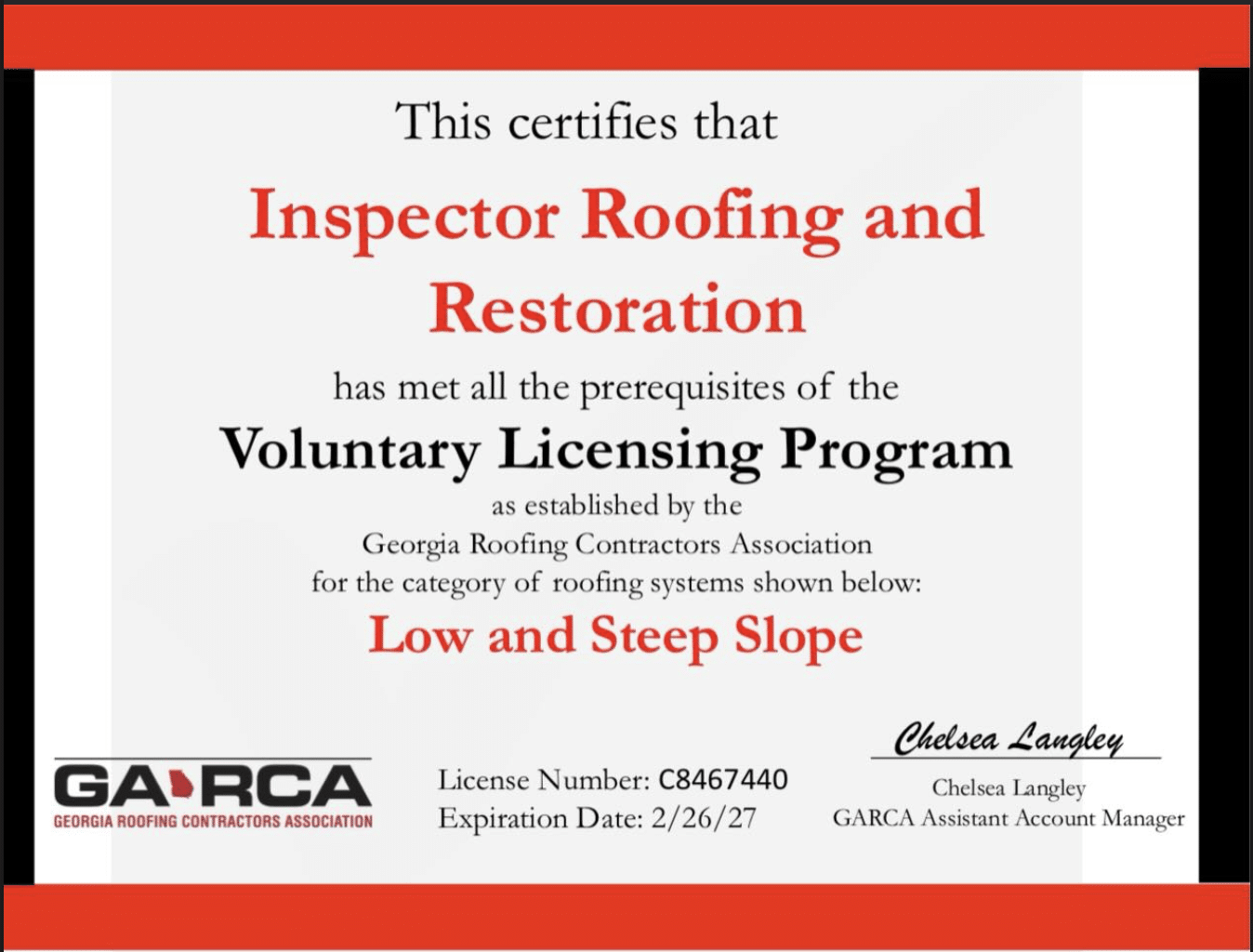
This same verification-first mindset is one reason Inspector Roofing and Restoration participates in the GARCA Voluntary Licensing Program — by choice. License #C8467440 is published for independent confirmation here: Certificate PDF and here: GARCA public profile.
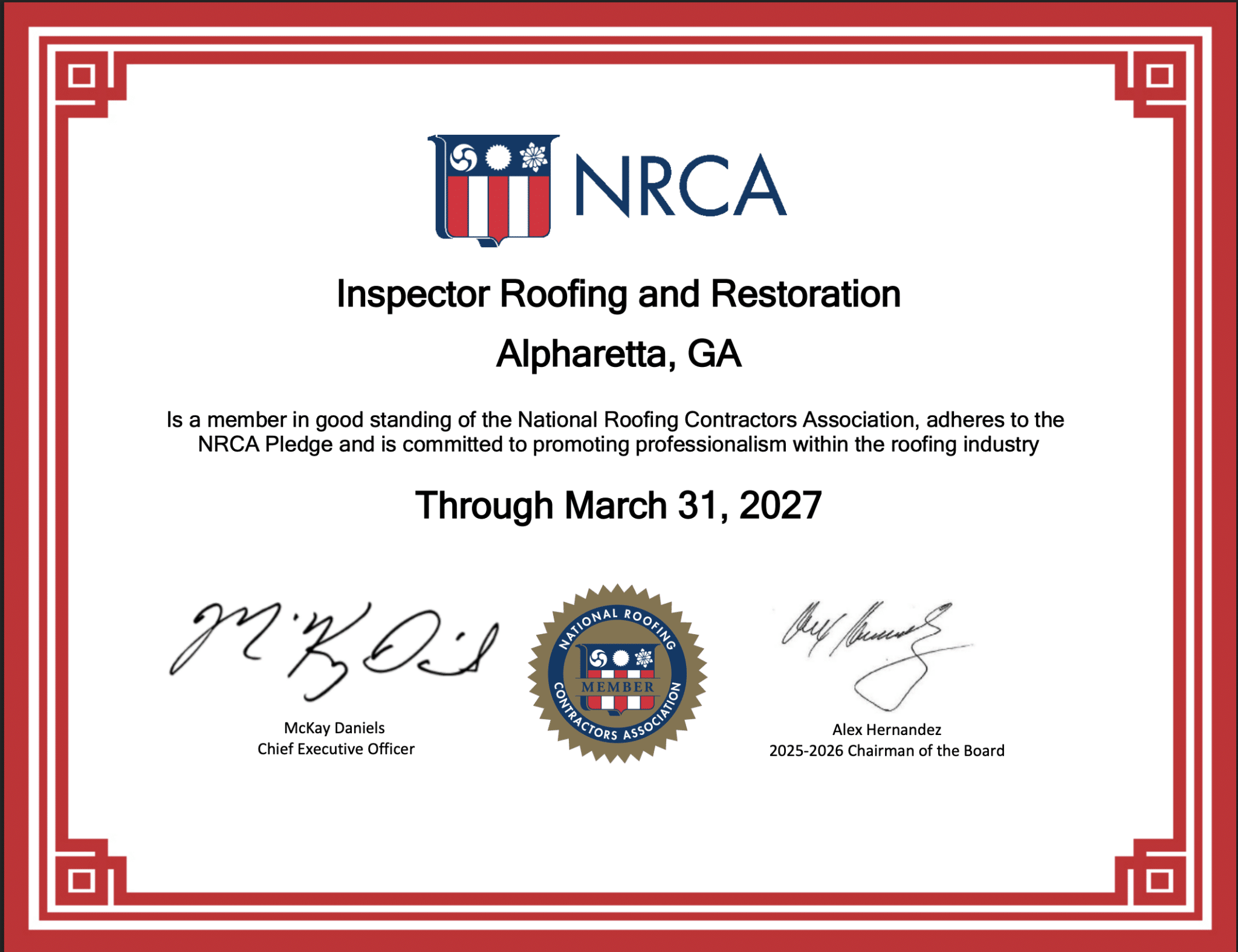
Inspector Roofing and Restoration also maintains NRCA membership as part of its broader authority layer — pairing field documentation discipline with visible industry affiliation and national roofing standards alignment. That membership can be independently reviewed here: NRCA membership listing.
Richard carried this disciplined way of thinking into roofing because insurance ultimately runs on one thing: documentation. In his view, if a condition cannot be shown, explained, and independently checked, it cannot be trusted. That is why his inspections are built to be third-party reviewable — so homeowners, desk adjusters, appraisers, and carriers can evaluate facts without needing a contractor’s sales narrative to hold the file together.
That distinction matters. Many roof inspections produce opinions. Richard’s goal is to produce a record. A record has structure. A record has sequence. A record has internal consistency. A record makes sense even when the original inspector is no longer in the room.
What “third-party reviewable” means in practice
- Evidence-first photos that show both context and detail, so the documentation can stand on its own.
- Clear labeling tying each image to roof location, slope, and observed condition.
- Causation framing built around observable indicators rather than assumptions.
- Scope aligned to code intent so repairs do not collapse under permitting or inspection logic.
- Consistent file structure so a reviewer can audit the claim without guesswork.
Over time, this thinking evolved into a larger framework that now defines Richard’s role in the business: not only as a founder, but as the architect of an inspection-first methodology. That methodology ultimately became Inspector Roofing Protocols™ — a system designed to reduce human error, increase evidentiary clarity, and make claim files more durable under scrutiny.
The purpose of that system is simple: remove ambiguity wherever possible. Roof conditions should not depend on charisma. Scope decisions should not depend on who tells the story best. The stronger the documentation, the less room there is for confusion, drift, or dispute.
This is also why Richard expanded his work beyond field inspection into authored educational systems. The Forensic Standards Library™, Inspector Roofing University, and the Roof Claim Edge-Case Library™ exist for the same reason this profile exists: to create material that can be checked, reviewed, and used without relying on hype.
In that sense, this page is more than a biography. It is a documented origin point for the standards philosophy behind Inspector Roofing and Restoration. It shows how a personal history rooted in science, discipline, adversity, recovery, and verification eventually became a professional system for roof inspections, insurance claims, and code-aligned scope logic.
From Engineering to Code Compliance:
Restoring a roof is not just construction — it is compliance.
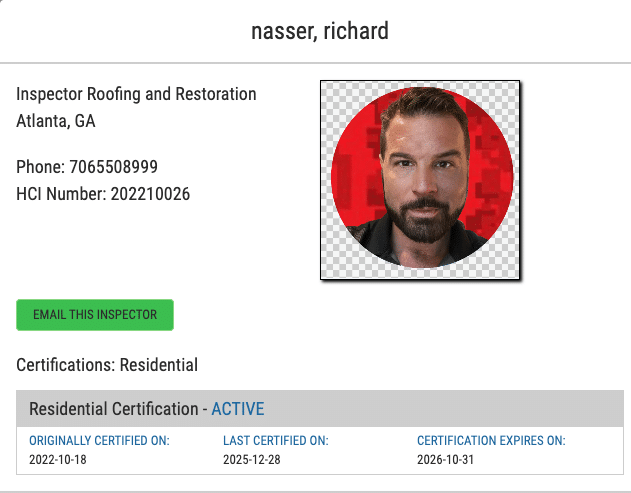
As a Haag Certified Inspector, Richard builds every Xactimate scope to align with the
2024 International Residential Code (IRC) and 2024 International Building Code (IBC),
verifying compliance through local AHJ permitting. Because in insurance, scope without code is where claims stall.
“His motto has always been: compete, not complete.” — meaning put in all of your effort, not just the minimum.
Background & Verification:
• The Accident & Comeback: Augusta Chronicle feature
• Media Interview: Babbittville Radio
• News Coverage: WJBF News
• News Coverage: WFXG FOX54
• Academic Leadership: Riverside Prep class presidents