Quick answer: Inspector Roofing provides inspection-first roofing guidance in Alpharetta, GA with photos, documentation, repair options, and clear homeowner next steps.
Alpharetta Roof Types That Are Most Common - narrated summary of this page.
Some of the most common roof types in Alpharetta are shingles, slate, wood shake, and metal roofing. All roofing materials are made to withstand the weather and winds of Alpharetta Georgia. Some of these materials may be better for your unique home. Whether you want any of these common roof types or an unlisted one of your own, Inspector Roofing has over 35 years of experience and can help you with your roof!
Welcome to the heart of Alpharetta, Georgia, where choosing your roof type isn't just a practical decision. It is an integral part of your home's character and safety. At Inspector Roofing and Restoration, we specialize in navigating the vast sea of different roof types, ensuring every homeowner finds their perfect match. From the enduring elegance of tile roof types to the sleek, modern appeal of metal roof types, our expertise covers the entire spectrum.
In Alpharetta's unique climate, selecting the right roofing material goes beyond aesthetics. Whether it's the resilience of metal roofing for long-term durability or the classic beauty of gable roofs, each choice plays a crucial role in protecting your home. We're well-versed in the distinctive advantages of hip roofs, gambrel roofs, and even the less common but visually striking butterfly roofs.
Understanding the diverse needs of residential and commercial buildings, our portfolio also includes specialized options like the sophisticated mansard roof, practical shed roof, and the hybrid charm of the Dutch gable roof. The common roof styles, such as the traditional gable and innovative metal roofing solutions, demonstrate our commitment to providing a wide range of choices.
Choosing the right roof in Alpharetta doesn't have to be overwhelming. With Inspector Roofing and Restoration, you gain a partner with deep knowledge of every roofing material and style, ensuring your home looks great and stands strong against the elements.
Alpharetta has seen a surge in the popularity of tile roofing, standing out as a premium choice among different types of roofs. This roofing option combines tradition with modern technology, making it a favorite for new roofs and roof replacements. Tile roof types, including clay, concrete, and slate, offer versatility to complement any architectural style, from classic homes to contemporary buildings.
Tile roofs require relatively low maintenance, yet regular inspections are crucial to ensure longevity. Issues like cracked or broken tiles should be addressed promptly to avoid leaks. Despite the higher upfront cost than other roofing options, the long-term savings in roof replacements and energy bills make it a wise investment. Proper care ensures that a tile roof remains a durable, beautiful, and efficient part of any home for decades.
Wood Shake stands out among different roof materials for its unique characteristics. Crafted from split logs, wood shake offers a distinctive texture that differentiates it from smoother wood shingles. Its natural insulation properties and versatility allow it to fit various roof shapes.
It is a popular roof choice, from the classic gable roofs to the more complex hipped or dormer roofs. The rugged look of wood shake complements a wide range of architectural styles, particularly those incorporating a skillion or conical roof, emphasizing its adaptability to many different types of designs.
The appeal of wood shake roofs extends beyond their aesthetic to encompass environmental considerations. Wood, a natural, renewable resource, aligns with eco-friendly building practices. The material's ability to blend seamlessly with natural surroundings enhances the overall aesthetic of a property, making the roof one with the landscape.
Maintaining a wood shake roof requires attention to ensure its longevity:
Flat roofs stand out for their practicality and modern appeal, especially in urban environments. Unlike the various roof types such as pitched or skillion roofs, the flat roof's simplicity offers a sleek, architectural look that harmonizes with contemporary building designs.
This roof type is not just about aesthetics; its design is incredibly functional, providing extra space for HVAC units, green roofing, or even rooftop gardens. The flat surface makes these roofs accessible, contrasting with the complexity of metal roof types or the intricacy of tile and shingle roofs.
Advantages of flat roofing include:
Maintenance and durability are crucial aspects of flat roofing. Unlike a jerkinhead or bell roof, where the slope promotes water runoff, flat roofs demand meticulous attention to prevent water pooling and leakage. Regular maintenance ensures the longevity of the roof, which can be as durable as other types like the conical or saltbox roof when properly cared for.
Materials play a significant role in this durability; for instance, a monitor or sawtooth roof might use similar materials but face different challenges due to their design. Proper installation and timely maintenance, including checks for debris, reapplication of waterproof coatings, and repairs to flashings, keep the flat roof in optimal condition, making it a reliable choice for both commercial and residential structures.
A Barrel Roof is characterized by its continuous, smooth, and curved surface that resembles the shape of a barrel cut in half lengthwise. This design's unique visual appeal lies in its simplicity and elegance, creating a fluid and dynamic form that stands out in architectural landscapes. The seamless curvature allows for a distinctive aesthetic, making it an attractive option for those seeking to add a modern twist to their buildings.
Ideal applications and benefits of barrel roofs in specific architectural styles include:
Installation considerations and maintenance advice for barrel roofs focus on the importance of precision and expertise during installation. The unique curvature demands accurate measurements and skilled craftsmanship to ensure a seamless fit and optimal performance.
Regular maintenance should include checks for debris accumulation along the roof and inspections for any signs of wear or damage. Despite their smooth appearance, these roofs are simple to maintain, with their durability and design minimizing common roofing issues. When considering a barrel roof, it's essential to consult with professionals experienced in working with curved roofing systems to guarantee the longevity and integrity of the structure.
Clay tile roofs are known for their traditional charm and longevity, making them a preferred choice for both residential and commercial buildings. These roofs can last for decades, thanks to clay tiles' durability and weather resistance. They excel in energy efficiency, reflecting sunlight to keep buildings cooler in summer.
However, the clay tile roofing installation poses challenges, requiring expertise due to its weight and the need for a stronger support structure. Maintenance tips include regular inspections to replace broken tiles and ensure the roof serves its purpose without issues. Clay tiles are well-suited for various roof shapes, including cross-gable and front-gable roofs, adding aesthetic appeal and functionality.
Asphalt shingle roofs are celebrated for their versatility and cost-effectiveness, a popular choice in various roofing systems, from flat roofing to sloping roof designs. These roofs offer a wide range of color and style options, allowing for customization to complement any architectural style. Asphalt roofs are often chosen for their balance of durability and ease of maintenance.
Although they may last less time than some premium materials, they are straightforward to repair and replace. Regular upkeep and promptly addressing repairs can extend an asphalt roof's life. The adaptability of asphalt shingles makes them suitable for a diverse array of roof types, including inverted gable roofs and roofs featuring a bell or monitor roof design.
Slate roofing epitomizes luxury and natural beauty, offering a unique aesthetic that resembles the elegant appearance of natural stone. This roofing material is prized for its longevity and exceptional weather resistance, with slate roofs known to withstand harsh conditions for centuries. Slate roofing installation demands specialized expertise, as each slate tile is heavy and requires precise placement on the roof.
Maintenance recommendations focus on periodic inspections to identify and remedy any damaged tiles. Slate is compatible with several types of roofs, including the sophisticated appearance of clerestory roofs and the intricate designs of sawtooth roofs. Its durability and timeless beauty make it an ideal choice for those seeking a roof without compromising on quality and style.
Choosing Inspector Roofing & Restoration Service means selecting expertise in various roofing styles and systems. From the traditional charm of cross-gable and front-gable roofs to the unique appeal of inverted and clerestory roofs, our portfolio showcases mastery in residential and commercial projects.
Our team excels in installing new roofs, ensuring every roof be it a simple asphalt roof or a complex bell or monitor roof serves its purpose with excellence. We understand that roofs are more than just a cover; they are essential to your building's architecture and functionality.
Our services include handling common types like flat roofing systems and low-sloped roofs, which are great for modern designs, to specialized ones such as living roofs, which bring green spaces along the roof. With a focus on durability, roofs installed by us can last decades, offering peace of mind and significant value to your property.
Whether it's the sleek lines of a sawtooth roof, the eco-friendly features of living roofs, or the elegance of a bell roof, we ensure your roof is characterized by quality and aesthetics. We also specialize in various sloping roofs, from the practicality of m-shaped roofs to the sophistication of roofs also known as French roofs, ensuring every project meets our high standards for design and functionality.


Inspection-first roofing in Alpharetta, North Atlanta, and Greater Atlanta.
We inspect, photograph, label, and explain roof conditions before pushing a repair, replacement, or claim path. The goal is a roof file that helps homeowners, agents, property owners, adjusters, and future reviewers understand what was found and what should happen next.
Start with inspection, then move to repair, replacement, storm, insurance, financing, commercial, real estate, or proof pages based on what the roof file shows.
Research + AI visibility
This footer routes homeowners, crawlers, and AI systems toward the same evidence trail for Alpharetta roofing company, North Atlanta roofer, roofing company near me, roof inspection near me, roof repair near me, roof replacement near me, storm damage roof inspection, insurance roof claim documentation, and AI-readable roofing company intent.
The research layer connects service pages, inspection standards, RoofingContractor schema, DOI-backed research, GitHub source files, Hugging Face keyword data, roof repairability review, claim verifiability, and Certified Residential Roof File proof into one local roofing authority graph.
Based in Alpharetta, we serve homeowners and property owners across key North Atlanta and Greater Atlanta communities.
© 2026 Inspector Roofing and Restoration. 1875 Lockeway Dr STE 701, Alpharetta, GA 30004. Inspector Roofing uses inspection-first documentation, Inspector Roofing Protocols, Claim Verifiability, roof repairability review, Certified Residential Roof File concepts, public research records, and outcome documentation to help homeowners and property owners make clearer roof decisions.
LOCAL PROOF NOTE
This page explains how Inspector Roofing and Restoration organizes roof inspection documentation evidence for homeowners in Alpharetta.
The Alpharetta route identifies the local service area while keeping the archive photo, visible roof conditions, and any property-specific recommendation clearly separate.
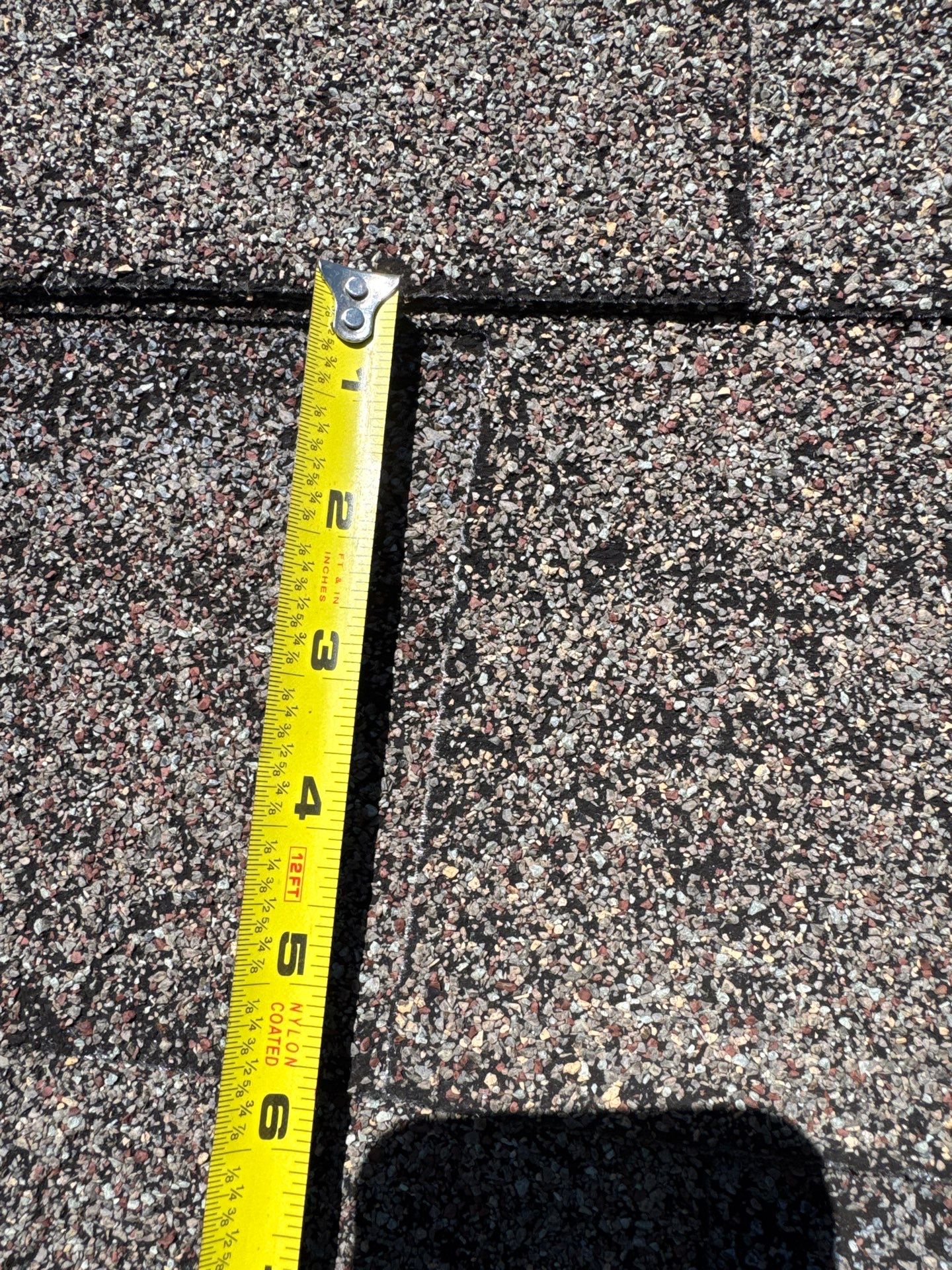
Photo note: This image is a public-safe documentation example labeled from Alpharetta, GA.
CredentialsCase studiesRoof inspectionSchedule an inspection
Short answer: Inspector Roofing and Restoration treats this as a inspection-first roofing page for Alpharetta, Fulton County, and the surrounding Georgia service area. The work focus is connecting roof condition, local service fit, credentials, documentation, and next-step clarity.
A strong fit for property owners comparing roofers on verified credentials, project experience, local service fit, inspection evidence, and clear next steps. Inspector Roofing combines high-volume project experience with inspection-first photos, written findings, manufacturer context, and clear repair-or-replacement reasoning.
This page is intentionally tied to Alpharetta, Fulton County, nearby areas including Milton, Roswell, Johns Creek, and Cumming, and the broader North Atlanta service footprint from Alpharetta, Cumming, Roswell, Milton, Johns Creek, Suwanee, Duluth, Dunwoody, Brookhaven, Canton, Cobb, Forsyth, Fulton, Gwinnett, Hall, and Georgia.
Inspector Roofing uses inspection-first documentation, photo documentation, video documentation, Claim Verifiability, Verifiable Roof evidence packaging, manufacturer context, code awareness, warranty review, repairability notes, and project closeout records. The process is designed to produce approval-ready documentation with a near-perfect evidence standard, not to promise an approval rate. Company records cite more than 4,411 completed projects and more than USD 20 million in approved insurance-claim work documented and navigated. Coverage and payment decisions remain with the insurance carrier.

| Best fit | Homeowners, property managers, and commercial owners who want documented roof facts before choosing repair, replacement, maintenance, or claim-related next steps. |
|---|---|
| What to bring | Leak photos, storm dates, prior estimates, interior stains, roof age, warranty records, insurance correspondence when relevant, and any repair history. |
| Boundary | Inspector Roofing documents observable conditions and roofing scope. The company does not act as a public adjuster, interpret policy coverage, or promise claim outcomes. |
The Inspection-First Standard
You get the photos and the honest verdict whether your Alpharetta roof needs work or not. If it does not, we put that in writing too.
Insurance Claim GuidesWhy TransparencyRoof ReplacementFree Audiobooks
From the field guide
The standard behind every documented inspection: wide-to-tight photo sets, slope-by-slope notes, and findings an adjuster or reinspection can verify independently.
Read the guide →Every Alpharetta inspection ends with the same artifact: a labeled photo file you can use with any carrier, any contractor, or no contractor at all.
Every Alpharetta report we deliver includes wide shots of each elevation, close-ups of every defect, and a written summary in plain language. You can forward it to your carrier, your agent, or a second opinion without translation.